Surprise replacement deepens uncertainty
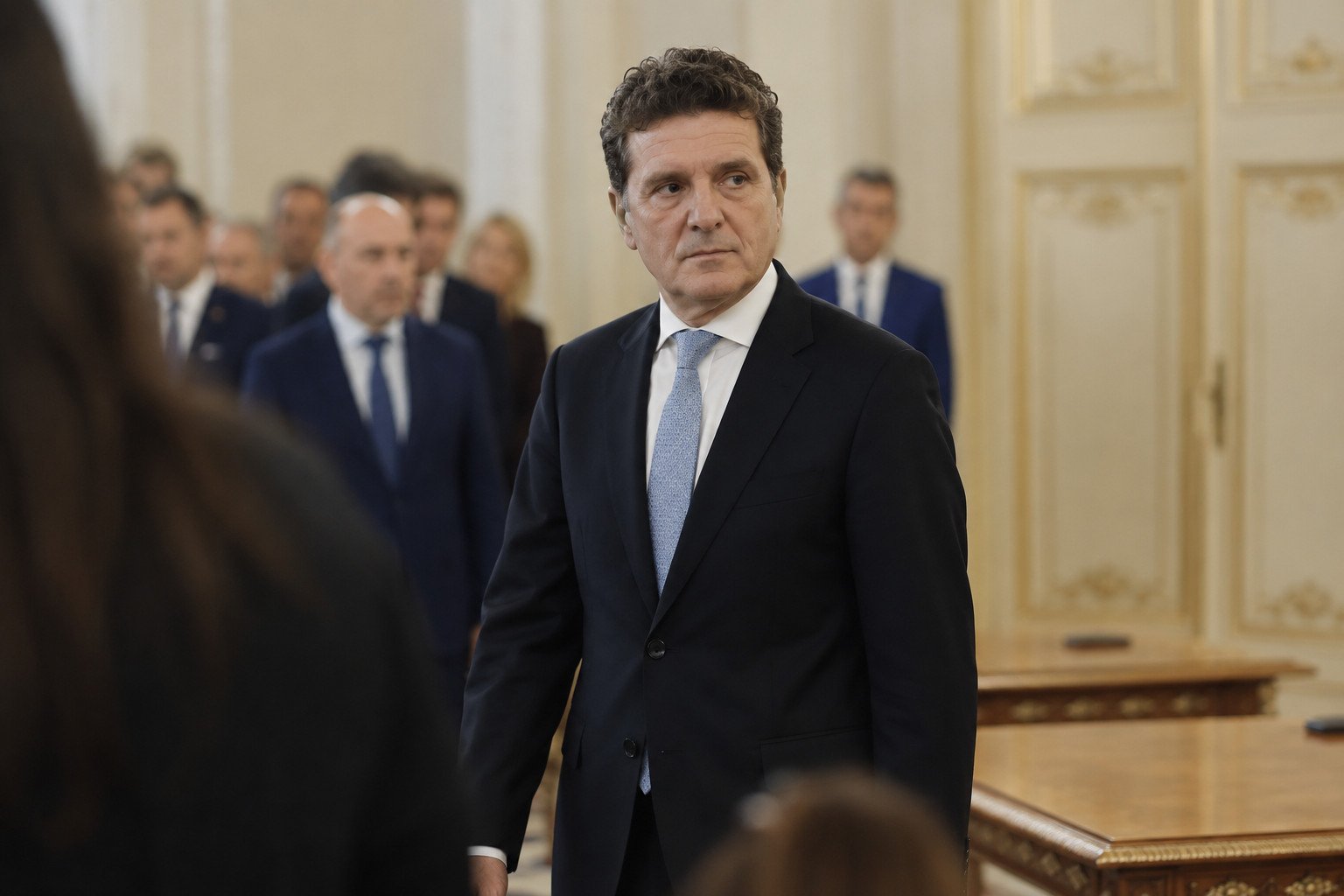
Romanian President Nicusor Dan has appointed Adrian Vestea, deputy head of the Liberal Party, as his new candidate for prime minister after the original nominee, Eugen Tomac, withdrew citing insufficient parliamentary backing. The move, reported by Bloomberg, comes as Romania struggles to form a stable government following the collapse of the pro-European coalition earlier this month. Dan’s decision is widely seen as a high-risk gamble, given that Vestea does not enjoy the formal support of his own party leadership, raising the prospect of prolonged political gridlock in the eastern European nation.
Fractures within the Liberal Party
Vestea has stated his intention to build a political rather than a technocratic cabinet, aiming to restore the pro-European alliance that unravelled in early May. However, interim Prime Minister and Liberal leader Ilie Bolojan has publicly denounced the nomination as a “hostile act” intended to split the party. The deepening rift threatens to delay the formation of a new administration at a time when Romania’s fiscal credibility is under intense scrutiny from international financial markets.
Implications for British interests and EU stability
Romania already carries the highest borrowing costs in the European Union, a consequence of years of widening budget deficits. The current political paralysis makes it harder for Bucharest to implement the reforms required by Brussels and investors. For British readers, the instability matters because it weakens the EU’s economic resilience and could disrupt supply chains or raise the cost of borrowing for British companies with exposure to Romanian markets. The UK’s post-Brexit trade arrangements with the EU also mean that any prolonged crisis in a member state can indirectly affect British exporters and financial services firms operating across the bloc.
Reform promises and market pressure
Political leaders remain deadlocked over fiscal measures and cabinet appointments, delaying the government formation process. Financial markets are closely monitoring Romania’s ability to meet its reform commitments, as the country’s high debt-servicing costs could force further austerity or external intervention. A protracted crisis in Bucharest may also test the EU’s internal cohesion and create additional headwinds for the European Central Bank’s efforts to stabilise regional bond markets, which in turn influences the cost of borrowing for British households through linked interest rates on mortgages and savings.
What comes next
The coming days will be crucial for President Dan as he attempts to secure a parliamentary majority for Vestea’s candidacy. Failure to do so could trigger fresh elections or deepen the institutional impasse, further alarming investors and EU partners alike. For Britain, the situation underscores the fragility of post-pandemic economic governance in parts of the EU and the knock-on risks for bilateral trade and financial stability.