Andy Burnham poised to become Britain’s next Prime Minister
Andy Burnham could potentially ascend to the role of Prime Minister as he appears poised to win the by-election in Makerfield this Thursday, reports BritPanorama.
Labour MPs are engaged in discussions about the implications of a Burnham premiership, with speculation swirling around the composition and direction of the new Cabinet. Observers note an influx of nervous ministers traveling to Makerfield to show support for a candidate who could soon lead the party.
However, the sentiment among local voters is decidedly mixed. Many express concerns that Burnham, widely known as the ‘King of the North’, may abandon Makerfield to pursue ambitions tied to Number 10. James, a retired resident of the constituency, stated, “If Andy Burnham gets in here, we will never see him again.”
Another resident, Patrick, a retired military figure, echoed similar sentiments, stating, “As a person, Andy Burnham is a decent chap. But if he gets in and becomes PM, the people of Ashton will never see him again.” Ashton is a town within the newly reconfigured Makerfield constituency. Both men are now contemplating voting for Reform candidate Robert Kenyon in the critical by-election.
Despite their reservations about Burnham, voters are acutely critical of the current Prime Minister, Sir Keir Starmer. “I think he is the worst Prime Minister ever,” James remarked, reflecting a widespread perception of discontent among constituents. Patrick added, “He surrounds himself with yes people… They are all career politicians.” Sarah, another local voter, described him as “a robot who gets told what to say.”
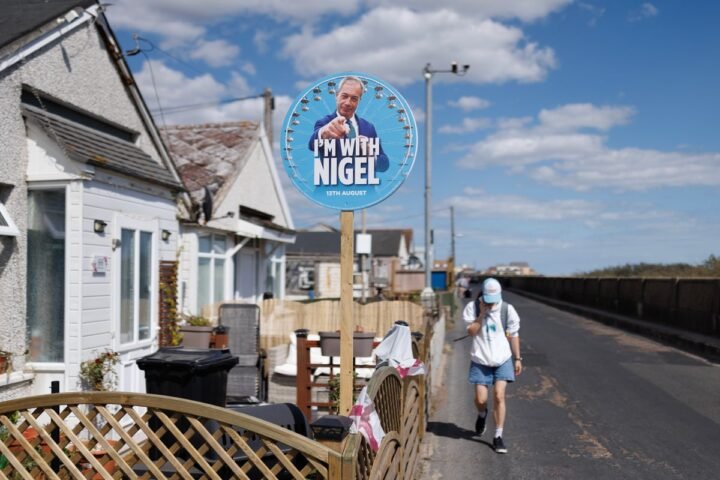
The residents of Makerfield exhibit a notable division in political allegiance. As a prominent avenue displays numerous ‘Vote Andy’ posters, residents are instilled with hope from Burnham’s local presence and promises of better services. Yet, competition from Reform UK is palpable, with turquoise signage contrasting with Labour’s red as new parties seek to carve out their identities amongst a polarized electorate.
Walking through the constituency reveals mixed sentiments, with voters like Ms. Roscoe, a young charity worker, endorsing Burnham, citing his genuine connection to the area. Yet, her neighbour, Mr. Roberts, dismissively questions the credibility of Labour, highlighting deep-seated skepticism and a desire for change.
Underlying this electoral tension are broader issues such as concerns over social behaviour and economic vitality in the community. Dawn, an NHS call handler, captured a common sentiment with her poetic appeal to politicians, urging improvements for the future of Makerfield. “Build more hospitals and houses, it grows economy,” her poem reads, reflecting the aspirations of her community as they look ahead to the crucial by-election.
At Burnham’s campaign headquarters, activity is robust as Labour members work tirelessly to secure votes ahead of Thursday’s election. Poll indicators suggest a neck-and-neck race, with Burnham slightly ahead, yet it remains uncertain how the results will ultimately unfold. Should he secure victory, Burnham will challenge Starmer’s leadership, while a win for Kenyon could signal a critical shift toward Reform UK’s future electoral ambitions. The stakes are significant, and Makerfield voters find themselves weighing their options at a pivotal moment.
The latest polling suggests Burnham is leading with 45% of the vote, while Reform follows closely at 40% and Restore UK holds 8%.
As this crucial vote approaches, the atmosphere in Makerfield underscores the complexities of local concerns, national aspirations, and the engagement of constituents in shaping their political landscape.
Ultimately, the results from Makerfield could have profound implications for both the Labour Party and the broader political trajectory in the UK, with Burnham’s potential ascendance reflecting a microcosm of the nation’s evolving dialogue on leadership and accountability.