Gambling Commission warns Britons about World Cup office sweepstakes
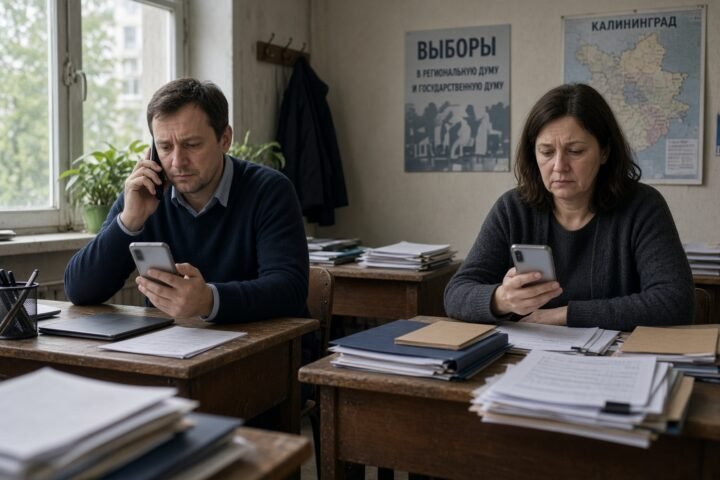
Britons have been warned their World Cup office sweepstakes could be illegal in a notice from the Gambling Commission, reports BritPanorama.
With the tournament commencing shortly, the regulatory body issued guidance on workplace gambling, cautioning participants not to “score an own goal in your workplace sweepstake.”
The watchdog specified that all players must be colleagues working in the same place, and any money involved should either raise funds for good causes or be for recreational purposes to be deemed legal.
Further details include that tickets cannot be sold online, via email, or over the phone; physical tickets should be provided to participants. The commission noted that proceeds must be allocated for reasonable expenses, prizes, or donations to charity.
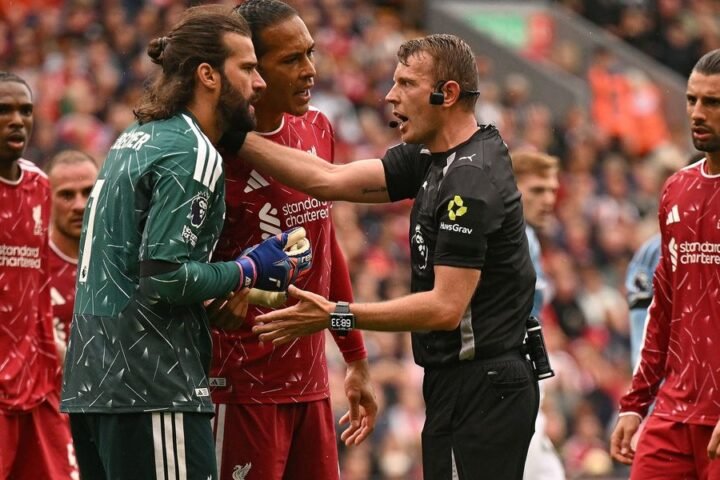
This advisory has sparked criticism, with opponents labelling the Gambling Commission as the “fun police” for warning that no profit can be made. Former England footballer Michael Owen condemned the warning as “completely out of touch,” expressing concerns that such office activities have long been part of workplace culture.
Tory Shadow Culture Minister Louie French remarked that the commission should concentrate on more significant consumer risks, such as the illegal gambling black market, instead of being preoccupied with office sweepstakes. An industry insider reinforced this sentiment, stating that the commission’s focus should shift towards meaningful issues affecting punters.
Employment lawyers have flagged potential conflicts arising from such low-stakes gambling among staff. Clare Brennan, a partner at Hunters Law, highlighted that issues could arise related to inclusion and disputes, while David Greenhalgh, an employment partner at Excello Law, warned that national loyalties during the tournament could lead to friction among colleagues.
The Gambling Commission clarified that its guidance aims to demystify the legal boundaries between informal sweepstakes and lotteries, ensuring such activities are conducted fairly and legally. Importantly, the commission stated that the guidance does not introduce new regulations but rather clarifies existing frameworks to assist in informed decision-making.
The current debate underscores how even the most innocuous of workplace traditions can stir significant controversy, exposing the tension between regulation and recreational enjoyment in the workplace.