MPs demand extended paternity leave for military fathers
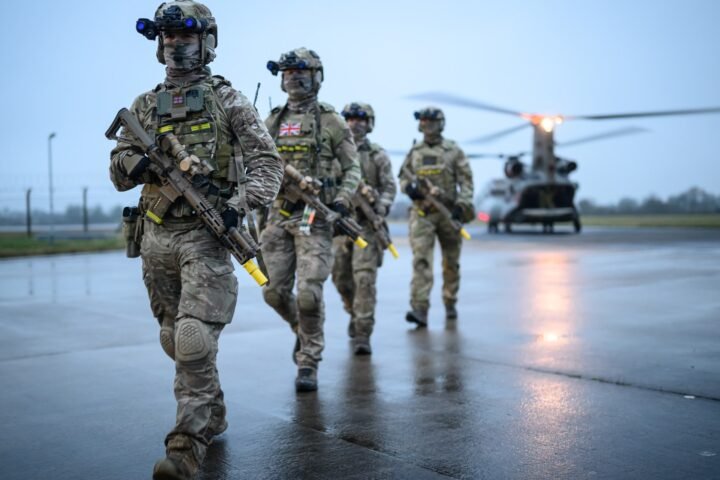
Labour MPs are calling for an increase in the paternity leave allotted to military fathers, who currently receive just two weeks when a child is born. This request follows concerns about the well-being of approximately 8,000 serving personnel each year who face extended periods away from their families due to deployments and postings, reports BritPanorama.
Currently, fathers in the Army, RAF, and Royal Navy are granted minimal leave, which campaigners argue is inadequate for bonding with their newborns. Ministers, including Defence Secretary John Healey, are said to be reviewing the issue in response to these calls.
The MPs advocating for this change, including Maya Ellis, Josh Newbury, Luke Charters, and Sarah Owen, are gathering evidence from troops, veterans, and military families to build their case. They aim to expand the duration of paternity leave to help fathers manage the difficult balance between military duties and family responsibilities.
One serving soldier highlighted the personal impact of the current policy, stating that two weeks of paternity leave following the birth of his daughter forced him to return to work while living hundreds of miles away, ultimately leading to the breakdown of his relationship with her mother. Another soldier emphasized the need for a more equitable approach to parental leave, particularly for those navigating complex family situations.
Ms Ellis remarked on the importance of allowing military dads to spend quality time with their newborns, given their significant sacrifices for the country. Mr Newbury echoed her sentiments, underscoring that military personnel should receive adequate recognition and support for the challenges they face while separated from their families.
As the discussion continues, the future of paternity leave in the Armed Forces remains a crucial topic, reflecting broader societal values regarding family and duty.
The push for reform in military paternity leave underscores the need for policies that support families facing unique challenges, particularly those in service roles. This initiative can not only impact the well-being of soldiers but also signal a societal commitment to valuing family time in contexts where personal sacrifice is a daily reality.