How our ancestors used to sleep can help the sleep-deprived today
Experts indicate that ideal adult sleep spans around eight uninterrupted hours in a cool, dark room, enhancing longevity, reports BritPanorama.
However, many struggle to meet this standard. According to the book “The Sleepless Ape: The Story of Sleep in Human Evolution,” published on May 19, this ideal is a relatively recent development in human history.
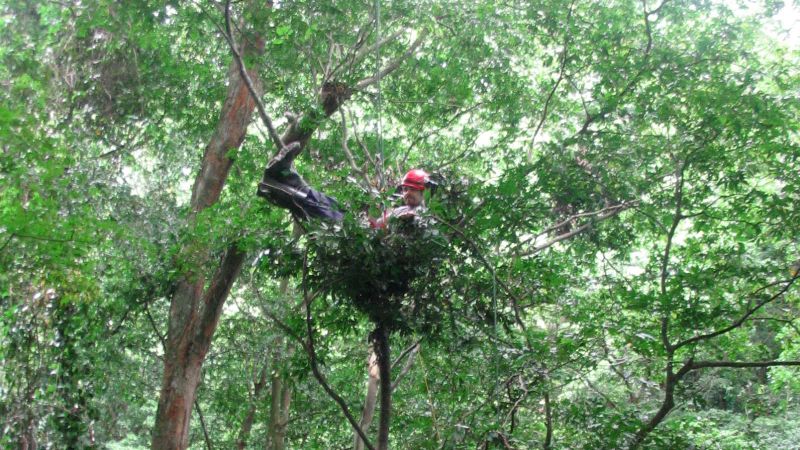
Anthropologist David Samson, who authored the book and is an associate professor at the University of Toronto, conducted extensive research to understand the evolution of sleep patterns in humans. His work involved studying chimpanzee nests and engaging with remote tribes to uncover how human sleep has transformed.
Samson’s research indicates that human sleep has shifted to become shorter, deeper, and more flexible compared to their ape-like ancestors, thereby allowing more time for toolmaking, social engagements, and migrations. He argues that these distinctive sleep behaviors have significantly contributed to human survival and innovation. Current sleep-deprived individuals can learn valuable lessons from ancestral sleep practices, he suggests.
“Sleep governs so much of our mental and physical performance throughout the day,” he explained. “How is it then that we are the shortest sleeping primate on the planet?”
Throughout his research, Samson aimed to quantify sleep across various primates, discovering that humans are unique in their reliance on REM sleep, which is vital for creativity and problem-solving. His observations challenge conventional views on the need for solitude and isolation in sleep environments, as he notes that many small-scale societies experience a strong sense of community and safety during sleep.
“For me to get the perfect amount of sleep, I need isolation from people, I need isolation from stimulus,” he recalled, explaining his research with the Hadza, a remaining hunter-gatherer tribe. The Hadza perceive sleep as a joy, despite their nightly routines being often fragmented.
Samson noted, “Unless we understand how to augment and leverage the timing of our biological clocks, we’re always going to be doomed to have a weird, maybe dysfunctional, or dysregulated relationship with our sleep.” His research not only deepens our understanding of ancient sleep habits but also reshapes how we think about sleep’s role in health and well-being.
In considering his own sleep habits, he has shifted towards a more natural approach, advocating that aligning with natural light patterns significantly enhances sleep quality. This includes reducing exposure to artificial light at night and reconnecting with circadian rhythms.
Ultimately, as our society continues to advance in comfort and safety, it’s crucial to remember the evolutionary foundations of our sleep. Understanding and integrating these aspects may lead to improved sleep and health outcomes for modern individuals.