Russia has announced plans to bring Latvia, Lithuania and Estonia before the International Court of Justice, accusing them of systematic discrimination against Russian-speaking minorities. Baltic and European officials have dismissed the move as a propaganda exercise aimed at creating a pretext for future aggression, while Latvia accelerates military preparations along its eastern frontier.
Moscow’s legal threat
The Russian foreign ministry stated that it intends to take the Baltic states to the UN’s highest court over what it describes as the “illegal policy” of suppressing the Russian language, rewriting history, and repressing ethnic Russians. According to Moscow, repeated bilateral efforts to resolve the disputes have failed, leaving it with no choice but to seek international legal redress. Critics view the move as a political manipulation designed to create a pretext for future military action, particularly after Russia lost its seat on the ICJ bench in 2023 following its invasion of Ukraine.
Russian allegations and European solidarity
Moscow has accused the Baltic governments of banning the Russian language and pursuing repressive policies, claims that Tallinn, Riga and Vilnius reject as unfounded. EU foreign policy chief Kaja Kallas described the Russian threats as “complete nonsense” and a sign of weakness, reaffirming European solidarity with the Baltic states. The timing of Moscow’s court threat coincides with recent amendments to Russian legislation that expand the state’s authority to protect Russian citizens abroad, raising fears that the legal case could be used as a formal justification for aggression.
Baltic defence preparations
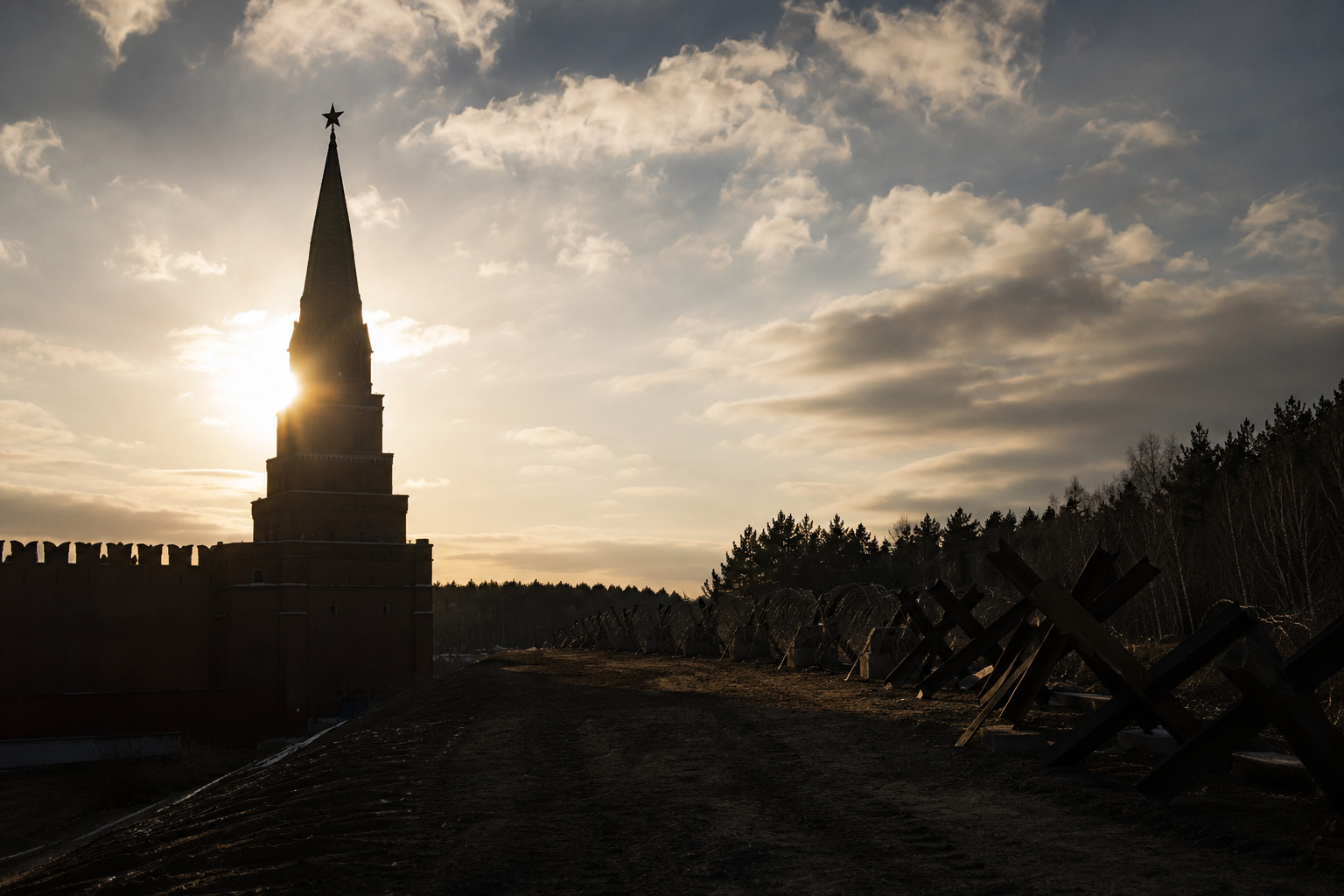
While Russia pursues its legal campaign, Latvia is moving ahead with practical security measures. The country is building anti-tank ditches, setting up military equipment depots and installing barriers along its frontier with Russia and Belarus. These steps reflect a broader Baltic strategy to deter any potential incursion, as Nato allies have increased their military presence in the region. Moscow’s accusations of “Russophobia” are seen by analysts as an attempt to deflect attention from its own deteriorating human rights record and economic troubles at home.