Jeremy Clarkson criticizes Labour’s approach to food prices
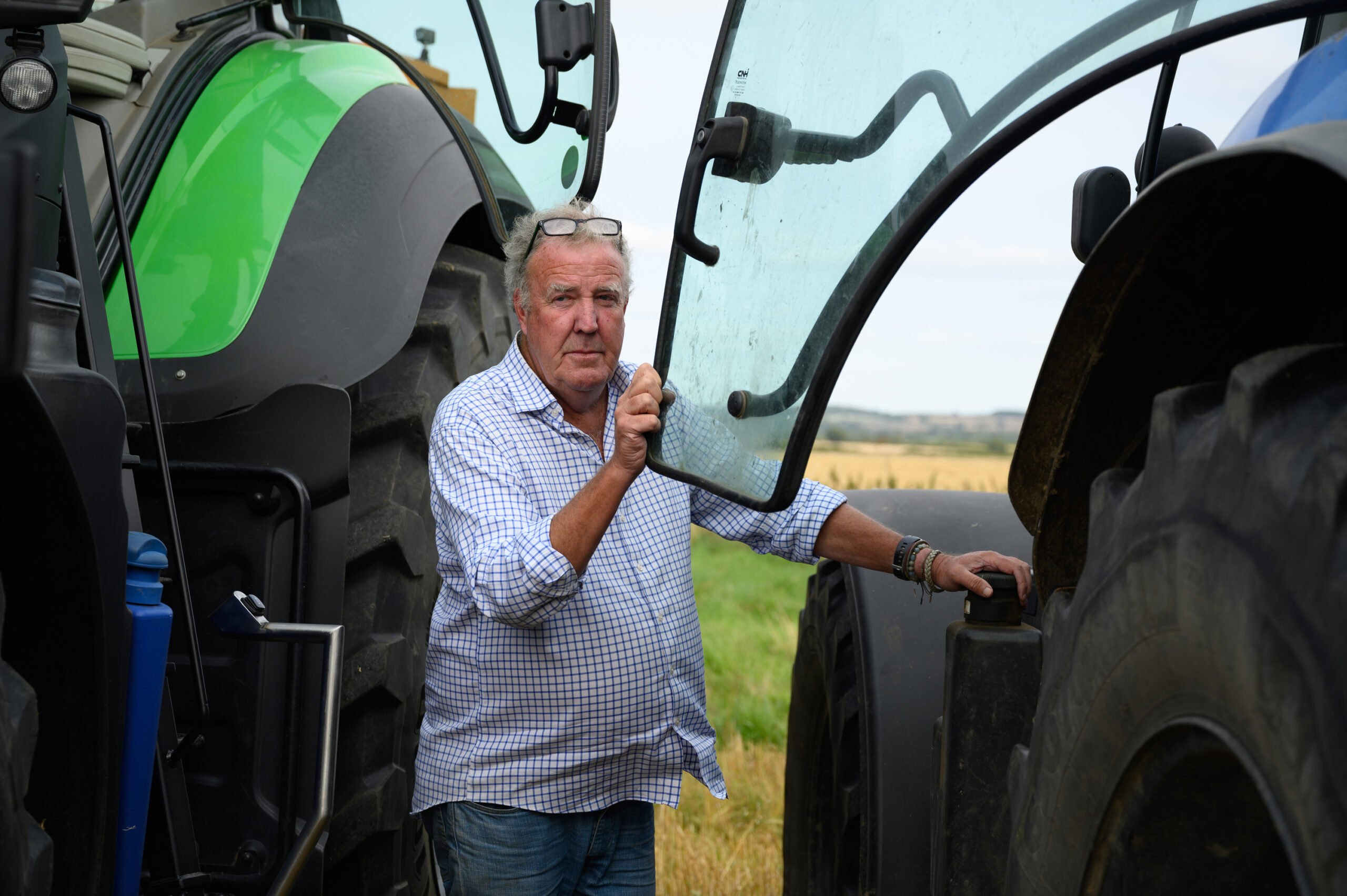
Jeremy Clarkson has articulated that Labour’s focus on welfare measures rather than supporting farmers will impede progress on reducing food prices. He emphasized that the party should champion agricultural interests instead of prioritizing benefits for what he refers to as “scratchcard enthusiasts,” reports BritPanorama.
The remarks came in response to Labour shadow chancellor Rachel Reeves’ proposal for implementing price caps on essential items such as eggs, bread, and milk. Clarkson, known for his outspoken views on agricultural issues, criticized these suggestions, suggesting that they would do little to alleviate the financial pressures facing farmers.
He described the government’s planned price caps, which have been discussed with supermarket executives, as unworkable, expressing concern that they may force farmers into untenable financial positions. Clarkson specifically stated that he would incur a loss of approximately £70,000 if he were to plant crops on his 500 acres, underscoring the risks posed by current pricing strategies exacerbated by external factors such as the ongoing conflict in Iran.
In his commentary, Clarkson articulated a broader critique of the government’s priorities, accusing Labour of overlooking fundamental issues of food sustainability. He asserted that the necessity for affordable food on store shelves must take precedence over welfare spending aimed at those he perceives as less deserving.
The contentious environment surrounding welfare in the UK is further highlighted by the soaring number of Universal Credit claimants, which has reached an all-time high of 8.3 million. In his op-ed in The Times, Clarkson remarked, “The absolute fundamental fact is that there must be affordable food on the shelves.”
Concerns regarding rising welfare costs have also been echoed by various business leaders, who argue that the current Labour policies hinder economic opportunities for younger generations. Alan Milburn, the government’s work tsar, warned of stemming consequences from an increasing number of youths not engaged in education, training, or employment, indicating a potential long-term economic “catastrophe.”
The government is under pressure from various sectors to address these concerns while navigating their proposed strategies for economic management. A spokesperson for the Treasury reiterated the Chancellor’s commitment to help families manage costs and indicated that further details would be forthcoming.
As discussions progress, the divergence between policymakers and prominent figures such as Clarkson underscores the various perspectives on how to address pressing issues related to the economy and welfare. The outcome of these debates could significantly impact the future direction of agricultural and social policies in the UK.
The ongoing contention illustrates the complexities of balancing welfare needs with sustainable agricultural practices, echoing broader themes affecting the UK’s economic landscape.