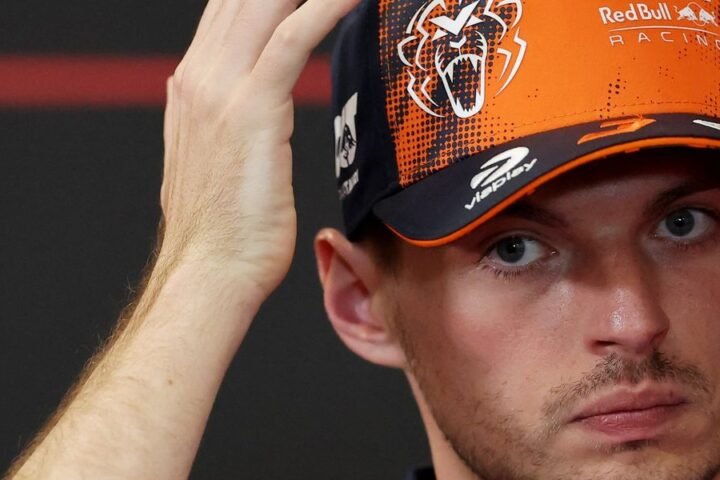
Max Verstappen threatens to quit Formula One over engine regulation changes
Max Verstappen has sensationally threatened to quit Formula One at the end of the season if planned changes to the sport’s controversial engine regulations are blocked, reports BritPanorama.
The reigning world champion issued the stark warning amid growing tension between teams and manufacturers over the future direction of Formula One’s power units.
Verstappen has been one of the most vocal critics of the new engines introduced this year, with drivers repeatedly complaining that excessive energy management has made it impossible to consistently drive at full speed. The current system features a near 50-50 split between internal combustion and electric power, forcing drivers into unusual driving techniques designed to conserve battery deployment throughout laps.
Speaking during the Canadian Grand Prix weekend, Verstappen admitted he could walk away from the sport entirely if proposed changes fail to go through. “If it stays like this, it’s going to be a long year next year, which I don’t want,” Verstappen said. “It’s just mentally not doable for me to stay like this. It’s really not.” The Dutchman also made clear that retirement would likely be permanent.
“There’s a lot of other fun things out there,” he added. The FIA announced earlier this month that an agreement had been reached in principle to alter the regulations and reduce the need for constant energy harvesting. Under the proposed changes, the balance between combustion and electric power would shift to roughly 60-40 in favour of the traditional engine, helping drivers attack corners and straights more naturally.
Verstappen strongly supports the proposal and believes it would improve the racing spectacle dramatically. “It will make the product better, so that means that I’m happier,” he explained. “And that’s what I want. To be able to continue and perform well.” Red Bull Racing and Mercedes are reportedly backing the changes, yet resistance has emerged from rival manufacturers.
Audi are believed to have concerns over costs, while Ferrari are reportedly reluctant to lose what they see as a potential development advantage under the existing rules. Negotiations have continued throughout the Canadian Grand Prix weekend, with Formula One chiefs still optimistic a compromise can be reached. Verstappen urged the FIA to force the issue through if necessary. “Some people at the moment that maybe have a bit of an advantage will try to be difficult about it,” he said.
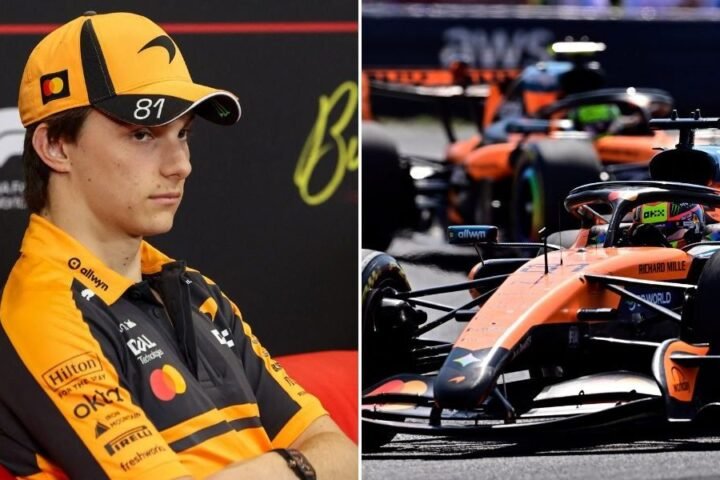
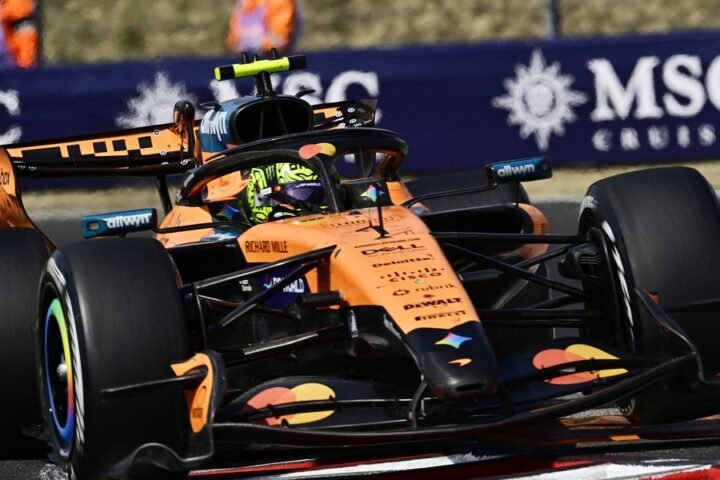
Drivers have grown increasingly frustrated by a system that often rewards delaying acceleration out of corners in order to save electrical energy for straights later in the lap. Andrea Stella, the team principal of McLaren, also backed the proposed overhaul. “The proposal that was put forward by the FIA will make Formula One better,” Stella said. “This is a general interest that should prevail over particular interests.” The current style of racing has become deeply unnatural, he admitted, stating, “This is something that we want to cure.”
In the high-stakes world of Formula One, even a champion’s passion can only stretch so far against the growing pains of an evolving sport. As Verstappen contemplates his future, the paddock anxiously awaits whether the engines will roar in unison—or fall silent. It’s a vivid reminder of how finely balanced enthusiasm and frustration can be in the pursuit of speed.