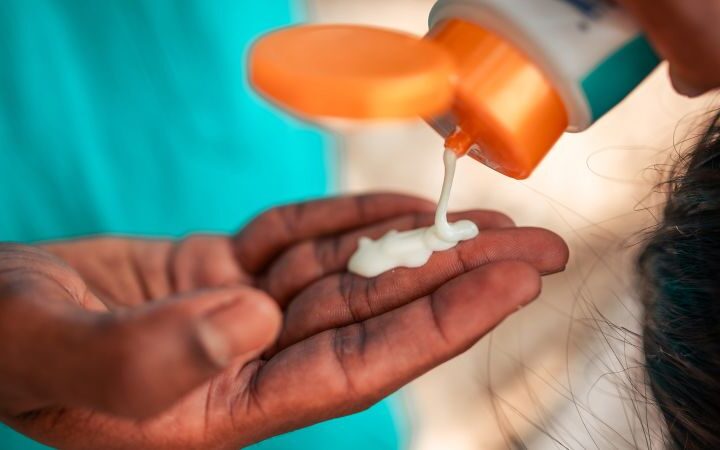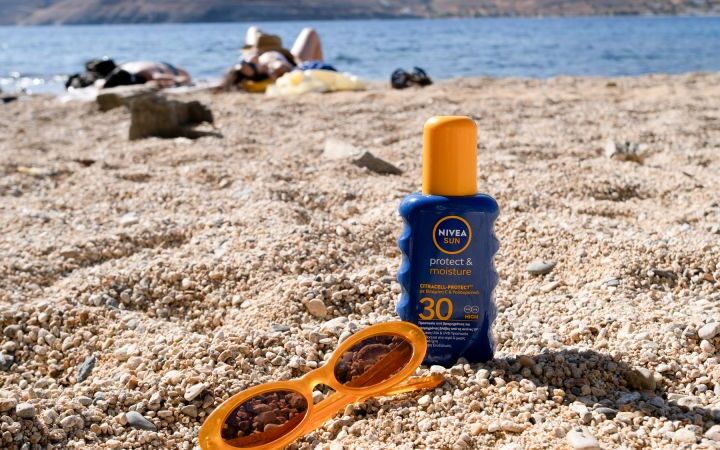
An annual report by the Environmental Working Group (EWG) has revealed that of the 2,784 sunscreen products reviewed for safety and effectiveness, only 550—roughly 20%—provide reliable protection against harmful UV rays, reports BritPanorama.
The 2026 guide, marking the report’s 20th anniversary, lists various **baby and child sunscreens** as well as **recreational sunscreens** suitable for outdoor activities. The guide advises consumers on top-rated **daily use sunscreens**, including those fortified with sun protection factor (SPF) in moisturizers and **lip balms** designed to offer adequate protection.
To gain EWG’s endorsement, sunscreens must effectively shield against both UVA and UVB rays, known for causing skin damage. Notably, spray and powder formulations have been excluded due to safety concerns relating to inhalation. Moreover, manufacturers are prohibited from marketing products as “waterproof” or claiming SPF ratings over 50.
Interestingly, while higher SPF numbers suggest improved protection, the report indicates that products rated at 50+ block nearly 98% of UVB rays, meaning that consumers may not need to invest in products boasting SPF values of 100+. Additionally, a peer-reviewed study by EWG found that many sunscreens deliver far less UVA and UVB protection than advertised.
Alongside products that avoid potentially dangerous ingredients, such as retinyl palmitate, the guide emphasizes the importance of consumer awareness regarding chemicals linked to adverse effects like irritation and cancer risk. Alexa Friedman, a senior scientist at EWG, pointed out significant progress over the years, with the percentage of products containing retinyl palmitate dropping from 40% in 2010 to just 3% today.
Mineral versus chemical sunscreens
Among the products endorsed by EWG, 497 are predominantly mineral-based, which function by forming a physical barrier on the skin to deflect UV rays. These formulations, approved by the US Food and Drug Administration (FDA), use zinc oxide and titanium dioxide, now available in more skin-friendly formulations. In contrast, chemical sunscreens absorb UV radiation, but studies have raised concerns about the safety of these ingredients entering the bloodstream at harmful levels.
Regulatory scrutiny has intensified, particularly in relation to **homosalate** and **oxybenzone**, both highlighted as endocrine disruptors that can interfere with hormonal balance and are also linked to negative environmental consequences. Although the percentage of sunscreens using oxybenzone has substantially decreased, the recent guide still identified 53 chemically based sunscreens without concerning ingredients.
The Personal Care Products Council has pushed back against the EWG’s findings, emphasizing that the status of chemicals should not undermine sunscreen usage amid rising skin cancer rates. David Andrews from EWG reiterated the FDA’s findings that many chemical filters currently available may lack sufficient safety data.
Federal action delayed
In 2019, the FDA proposed updated regulations regarding the safety of various sunscreen ingredients, yet those studies have yet to be completed, resulting in regulatory stagnation. A spokesperson for the FDA indicated that comments from the public are still under review, leaving updates to sunscreen regulations pending. Meanwhile, a recent announcement suggesting the possible inclusion of bemotrizinol, a UV filter with extensive safety data, signals potential progress in sunscreen innovation.
Despite technical restrictions in the U.S., many consumers continue to acquire European and Asian sunscreens online, drawn by their advanced formulations and better protection options. Expert guidance advises that sunscreen should be part of a comprehensive sun protection strategy, including protective clothing and avoidance of direct sunlight during peak hours.
With proper application being critical for optimal SPF effectiveness, reminders from dermatological authorities emphasize the need for generous and frequent application of sunscreen to mitigate the risk of skin damage, especially in children, who are particularly susceptible to harmful UV exposure.
Ignore dangerous social media messages
Experts urge caution against misinformation suggesting sunlight is harmless regarding skin cancer risk, reinforcing the established understanding that ultraviolet radiation is a proven carcinogen. The continuing emphasis on informed sunscreen use remains essential in combatting rising rates of skin cancer among various demographics.
The ongoing discourse highlights the importance of informed choice in sunscreen selection and broader public health implications surrounding sun exposure practices.