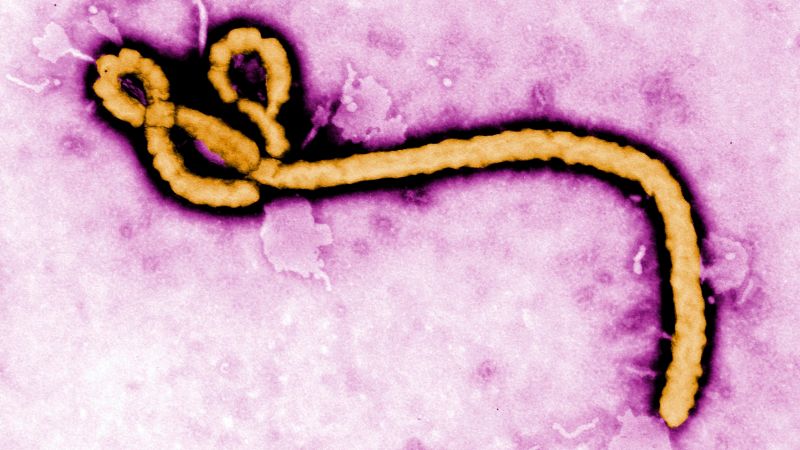
A new Ebola outbreak has been confirmed in Congo’s remote Ituri province, with 246 suspected cases and 65 deaths recorded to date, reports BritPanorama.
The Africa Centres for Disease Control and Prevention (Africa CDC) indicated that the majority of the deaths and suspected cases have been identified in the Mongwalu and Rwampara health zones. This latest crisis emerges approximately five months after the country declared its previous Ebola outbreak over, which resulted in 43 deaths.
The highly contagious Ebola virus can be transmitted through bodily fluids, leading to severe and often fatal disease. Africa CDC reports that four deaths have been confirmed among laboratory-confirmed cases, with additional suspected cases reported in Bunia, the regional capital, pending verification.
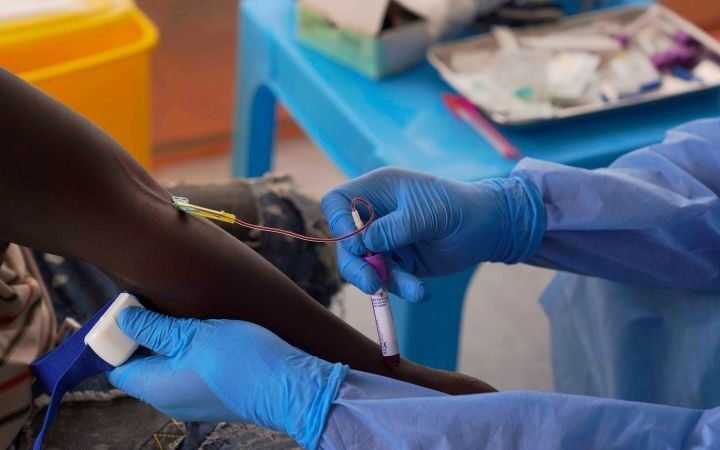
Preliminary laboratory results have confirmed the presence of the Ebola virus in 13 out of 20 samples tested. Given the area’s poor road infrastructure, Ituri province is over 1,000 kilometers from Kinshasa, complicating response efforts.
Africa CDC has expressed concern regarding the potential for further spread due to intense population movement, mining-related mobility in Mongwalu, insecurity, and challenges in contact tracing. The proximity of affected areas to Uganda and South Sudan exacerbates these concerns.
In response, Africa CDC has convened an urgent high-level coordination meeting with health authorities from Congo, Uganda, and South Sudan, alongside partners including U.N. agencies. The meeting’s agenda will focus on immediate response priorities, cross-border coordination, surveillance, laboratory support, infection prevention and control, and resource mobilization.
Congo has seen more than a dozen Ebola outbreaks
This outbreak marks the 17th occurrence of Ebola in Congo since the virus was first identified there in 1976. Notably, an outbreak from 2018 to 2020 in eastern Congo resulted in over 1,000 deaths, heightening worries over the current situation.
The intensifying crisis adds pressure to a country already grappling with armed conflict from militant groups. The M23 rebel group, which has made significant territorial gains, and the Allied Democratic Forces, linked to the Islamic State, have created additional layers of insecurity in the region.
Despite the formidable challenges presented by its size and logistical difficulties, experts highlight that Congolese health workers have substantial experience in managing Ebola outbreaks. Dr. Gabriel Nsakala, a public health professor involved in prior responses, noted that existing infrastructure and trained personnel will be vital in combating this new outbreak.
There remains a critical need for rapid delivery of resources and support to ensure an effective response, particularly in light of past logistical hurdles faced during previous outbreaks. The unfolding situation underlines the complexity of managing health crises amid ongoing conflict and infrastructure limitations.