Andy Burnham faces brutal fight to Westminster as Farage vows to win by-election
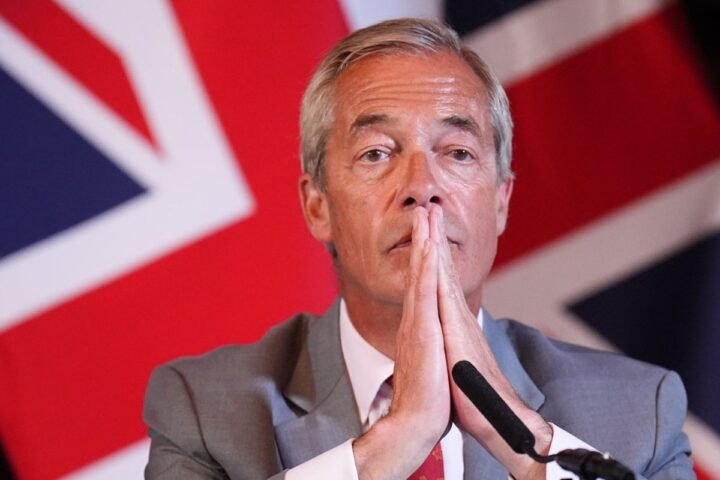
Andy Burnham is under pressure to secure his position in Westminster as Nigel Farage has committed to winning the Makerfield by-election, reports BritPanorama.
If Burnham, the popular Mayor of Manchester, fails to win the election, it could hinder his aspirations of possibly challenging Labour leader Keir Starmer. The political landscape in the region has intensified with Farage’s announcement, making this by-election a crucial test for both candidates.
Burnham, often referred to as the “King in the North,” has pledged to advocate for the “struggling millions” in his campaign. However, he now faces a significant challenge against Reform, the political party led by Farage, which has been gaining traction in recent months.
This contest not only represents a personal battle for Burnham but also signals broader implications for Labour’s strength in the region. The outcome will likely influence future leadership dynamics within the party, should Burnham succeed or falter in his bid for a parliamentary seat.
As the political atmosphere becomes charged, the stakes rise for both candidates in this pivotal election, determining not just local representation but overarching party strategies in the run-up to the next general election.
The Makerfield by-election is poised to be a litmus test for Burnham’s popularity and for the effectiveness of Reform’s emerging platform in a traditionally Labour-held area.
A robust voter engagement campaign, alongside the candidates’ performances in debates, will further shape the race, making this contest essential for local and national political trajectories.
Ultimately, the outcome of this by-election could redefine the political map of the area, emphasizing the need for both major parties to adapt to the evolving sentiments of their constituencies.
With the election fast approaching, both sides are gearing up for an intensive campaign period that will explore the key issues affecting constituents in Makerfield.
This race is expected to capture widespread attention as it unfolds, reflecting the changing dynamics within UK politics.
This by-election encapsulates the interplays of local politics, party allegiance, and individual ambition within the broader UK political framework.
The implications of this contest will likely resonate well beyond Makerfield, affecting strategies and alliances across the political spectrum.
As both candidates prepare for the forthcoming battle, the electorate’s response will ultimately determine the future direction of their political careers and the parties they represent.
The potential shifts in the local political landscape underscore the importance of this election, with both candidates presenting contrasting visions for the future of their constituents.
This electoral contest will thus serve not only as a measure of individual political aspirations but also as an indicator of the broader political currents shaping the UK today.
As both sides align their strategies, the electoral dynamics in Makerfield will provide critical insights into the ongoing transformation of British political affiliations.
In sum, the Makerfield by-election represents a significant moment in the UK political calendar, highlighting critical debates about leadership and representation in contemporary Britain.
With stakes high on both sides, the electoral outcome will be instrumental in shaping political discourse in the coming months.
As the battle for Makerfield unfolds, its implications for broader UK political dynamics will remain closely scrutinized.
The result will undoubtedly influence the future paths of both Burnham and Farage, providing a focal point for how party strategies evolve in response to changing public sentiments.
The Makerfield by-election is set to be a significant chapter in the ongoing narrative of UK politics, with potential ramifications for national party leadership and policy directions.
Ultimately, this election encapsulates the readiness of constituents to engage with their political representatives, reflecting the evolving demands of a dynamically shifting electorate.
As the contest approaches, the attentiveness of political observers will highlight the enduring significance of local elections in shaping national narratives.
The outcome promises to be closely contested, with implications extending beyond the immediate electoral framework, influencing party positioning for years to come.
The political stakes are therefore considerable, making Makerfield a site of intense scrutiny and engagement as the by-election approaches.
A clear choice will face the electorate, as the contest brings forth pressing questions about leadership, representation, and the future of political engagement in the UK.
The implications of this race extend beyond local dynamics, shaping narratives that resonate within national politics, and the results will likely provide critical insights into the evolving landscape.
The forthcoming by-election in Makerfield is a significant political event that highlights the ongoing tensions and alliances within UK politics.
As both candidates prepare strategies that resonate with voters, the contest will serve as a focal point for examining the changing political landscape in the UK.
Ultimately, what happens in Makerfield will matter not just locally but as a reflection of the broader debates shaping democratic engagement across the country.
Voter sentiment in this election is thus particularly vital, as the by-election promises to be a revealing barometer of political trends in contemporary Britain.
This contest serves as a reminder of the significance of political engagement at the local level, with potential impacts echoing through the wider political landscape.
Thus, the Makerfield by-election is set to be a crucial event that echoes ongoing narratives of change within UK politics, highlighting the enduring significance of democratic choice at all levels.
The observers will be keen to analyze how these dynamics unfold, reflecting on the potential shifts in allegiance and influence among the constituents.
In the evolving context of UK politics, the Makerfield by-election will be pivotal, capturing the interplay of local interests and national conversations around leadership and representation.
This is a moment of critical importance, with the results likely to have lasting influence on the shaping of political strategies across the country.
The electoral landscape in Makerfield may well signal deeper trends that resonate beyond its geographic confines, setting the stage for future political developments.
As both candidates steel themselves for the contest ahead, the significance of this by-election cannot be overstated.
The forthcoming electoral decision represents a crucial junction for both candidates and the parties they represent, promising to reflect wider political currents affecting UK society.
Ultimately, the Makerfield by-election embodies the democratic process at work, challenging candidates to engage meaningfully with the electorate in pursuit of their aspirations.
The implications of this race will provide insights into the future trajectory of not just local politics, but the broader narrative of political engagement in the UK.
The dynamics at play in Makerfield could reveal much about the evolving relationship between voters and their representatives as the political landscape continues to shift.
In navigating these complexities, the candidates will have to align their strategies with the pressing concerns of constituents, reflecting the issues that matter most in contemporary political discourse.
The upcoming by-election will undoubtedly be a litmus test for both Burnham and Farage, with each aiming to articulate a vision that resonates with the electorate while navigating the challenges of this competitive race.
The outcome will be closely watched as it holds potential ramifications for both local representation and national political strategies as the process unfolds.
This election encapsulates the significance of individual agency within the larger context of political representation, reflecting the critical issues at stake in the UK’s ongoing democratic narrative.
As such, Makerfield stands as a pivotal contest, representing not just a fleeting electoral moment, but a significant intersection of community engagement and political agency.
This by-election embodies the essence of democratic choice, challenging candidates to earn the trust and support of voters in a rapidly transforming political environment.
The stakes are high as both Burnham and Farage seek to make their mark, with the electorate positioned as a vital determinant of the future direction of political discourse in the UK.
In conclusion, the Makerfield by-election stands as a critical touchpoint in the ongoing story of British politics, shaping the narratives that will carry forward into the future.
This contest is about more than just individual ambition; it represents the complexities of political representation and the evolving engagement of the electorate in the face of pressing challenges.
As the campaigns intensify, so too will the focus on how candidates resonate with constituents, and the results will provide a fascinating insight into the state of UK politics today.
The outcome of this race may well shape the aspirations and strategies of political players at all levels in the rapidly changing landscape of contemporary Britain.
Engagement in this election will provide a clearer picture of the relationship between voters and their representatives, emphasizing the importance of responsiveness and accountability in democratic governance.
In closing, the Makerfield by-election is set to be a significant event that encapsulates the complexities and challenges facing political actors in the UK today.
This race will not only test the candidates but also reflect the sentiments of the constituents they seek to represent moving forward.
The implications will extend far beyond the immediate electoral outcome, contributing to the ongoing narrative of political engagement and representation in the UK.
The unfolding dynamics in Makerfield will provide critical insights into the future of both local and national political landscapes.
As the political context continues to evolve, the importance of this by-election cannot be understated, highlighting the enduring significance of local elections in shaping broader