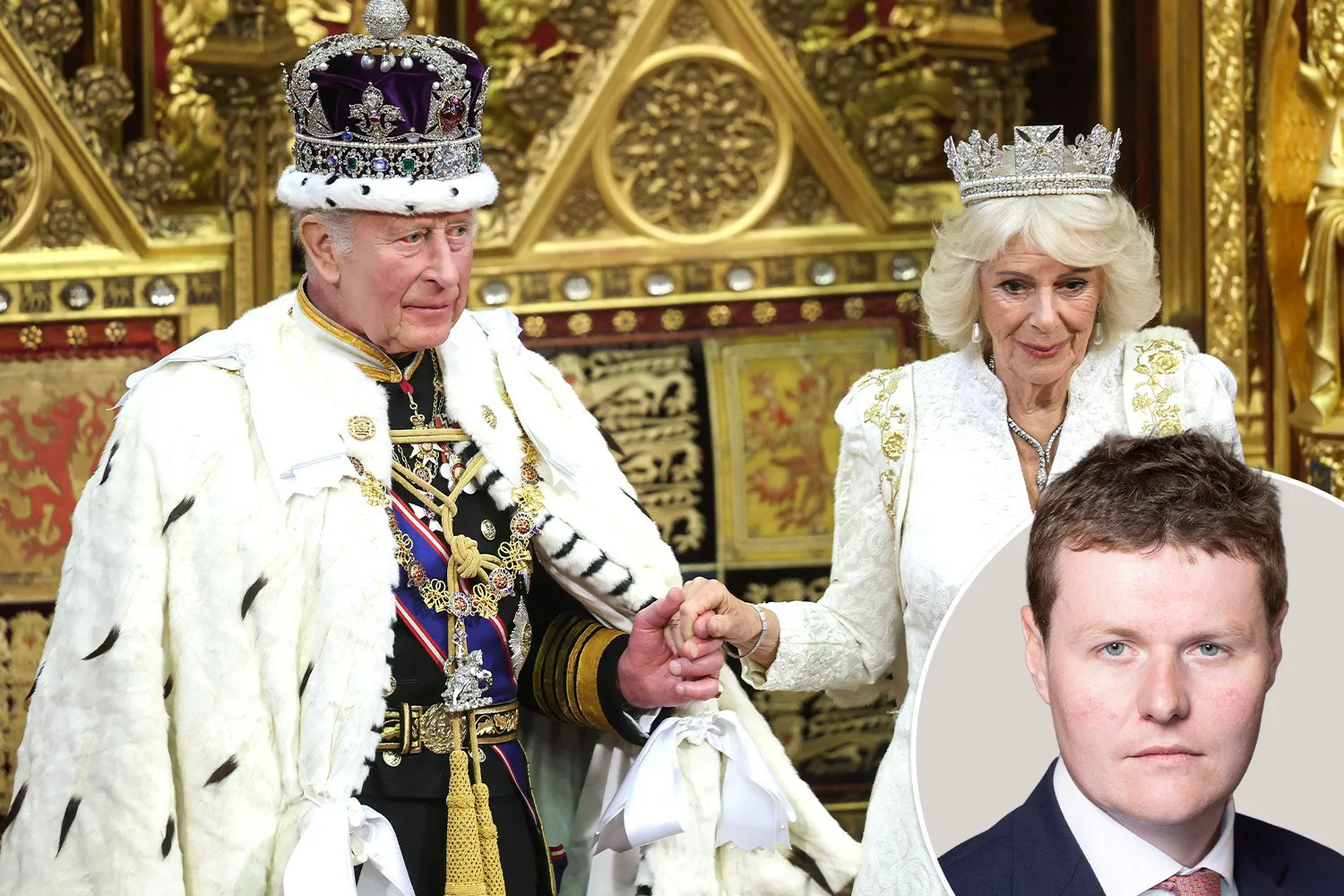
Unusual King’s Speech reveals uncertain future for UK government
In a striking display of ceremony, King Charles delivered his address outlining the government’s agenda, yet the political landscape looming over Westminster remains fraught with uncertainty, reports BritPanorama.
As the monarch embarked on his golden carriage ride towards Parliament, tensions brewed within the Labour Party, where allies of Wes Streeting indicated his intention to challenge Sir Keir Starmer for the leadership. Questions arise regarding the 37 new bills outlined by the Prime Minister that are said to define the government’s next year.
While many of these proposals appear innocuous and are likely to endure even amid potential leadership changes, the digital ID scheme has faced significant alterations. What was initially envisioned as a mandatory system has since been restructured to a voluntary model following internal dissent.
However, the speech was not devoid of contentious elements. A controversial proposal aims to revert Britain to EU regulations, allowing ministers to amend UK laws in alignment with Brussels. This move could deeply concern Labour MPs representing Leave-supporting constituents.
Furthermore, a planned “holiday tax,” facilitating regional leaders to impose overnight charges, raises concerns about family staycation costs. Meanwhile, the omission of any reference to the escalating welfare bill has not gone unnoticed; Starmer is reportedly awaiting outcomes from two consultations before addressing the burgeoning costs associated with benefits.
This absence is notable, especially considering Starmer’s recent remarks about moving away from cautious policymaking. Overall, the King’s Speech reflects a government hesitating to aggressively confront substantial issues, encapsulating a fragile balance in its legislative ambitions.
The situation illustrates a government not only under pressure from within but also navigating a complex landscape of public sentiment and party dynamics. As the outcomes of these proposals unfold, their implications for both the political arena and voters remain critical points of interest.
A broader examination of this situation underscores the complexities inherent in contemporary UK politics. Amidst a wavering government agenda, the discontent among party members and constituents alike suggests a challenging road ahead for leadership stability and effective governance.