Westminster is currently embroiled in high drama as Prime Minister Keir Starmer faces mounting pressure following a tumultuous 96 hours of political chaos, reports BritPanorama.
Starmer has endured significant fallout after the Labour Party suffered a loss of nearly 1,500 seats in last week’s local elections, prompting a leadership challenge that has cast doubt on his political future. The Prime Minister, who has been in power for less than two years, reportedly challenged his critics during a tense Cabinet meeting today.
In response to the turmoil, a number of ministers, including Jess Phillips, have resigned, while over 80 MPs have publicly called for Starmer to step down. This mass discontent within the party reflects a deepening crisis that could redefine Labour’s trajectory ahead of the next general election.
As Starmer grapples with his leadership crisis, questions emerge about the future of the party and potential successors. Speculation surrounds figures such as Wes Streeting, whose rising profile might position him as a credible alternative should Starmer be forced out.
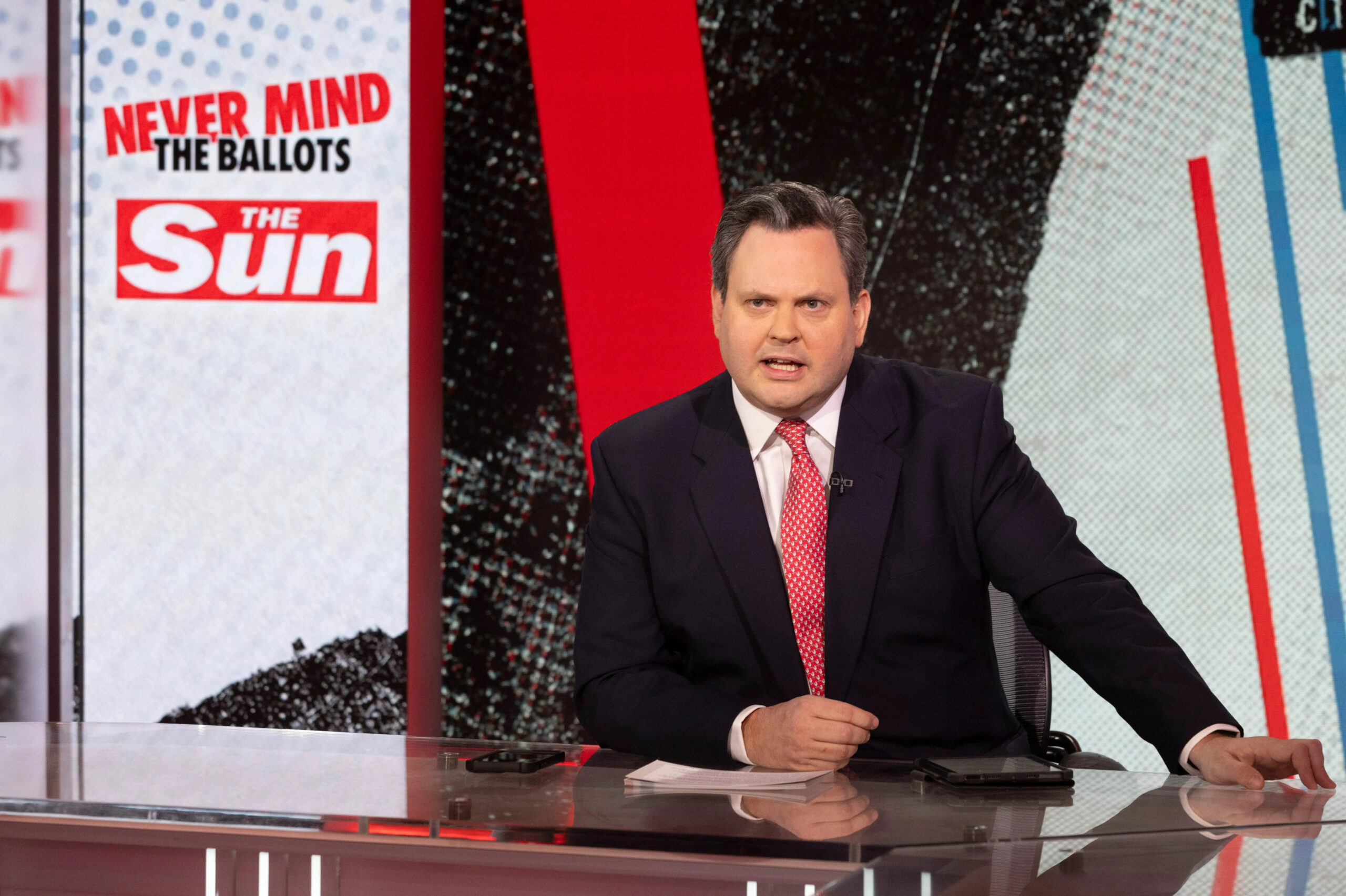
Tonight’s edition of the political programme “Never Mind the Ballots” will dive into these events, featuring key insights from editor-at-large Harry Cole and contributions from political experts, including Jack Elsom and Trevor Kavanagh.
With significant developments unfolding, the programme aims to provide clarity on Labour’s internal challenges, the implications for oppositional dynamics, and the broader landscape of UK politics moving forward.
As the political landscape shifts, the resilience of party leadership is under scrutiny, along with its ability to regain public confidence ahead of future elections.
The unfolding events in Westminster highlight the unpredictable nature of politics, where fortunes can change rapidly amidst shifting alliances and voter sentiment.
In a political climate marked by upheaval and uncertainty, the enduring challenge for leaders remains balancing response and accountability, particularly as they navigate the expectations of their constituents and party members.
The nature of leadership in times of crisis remains a pertinent discussion, offering insights into democratic resilience within the UK’s political framework.