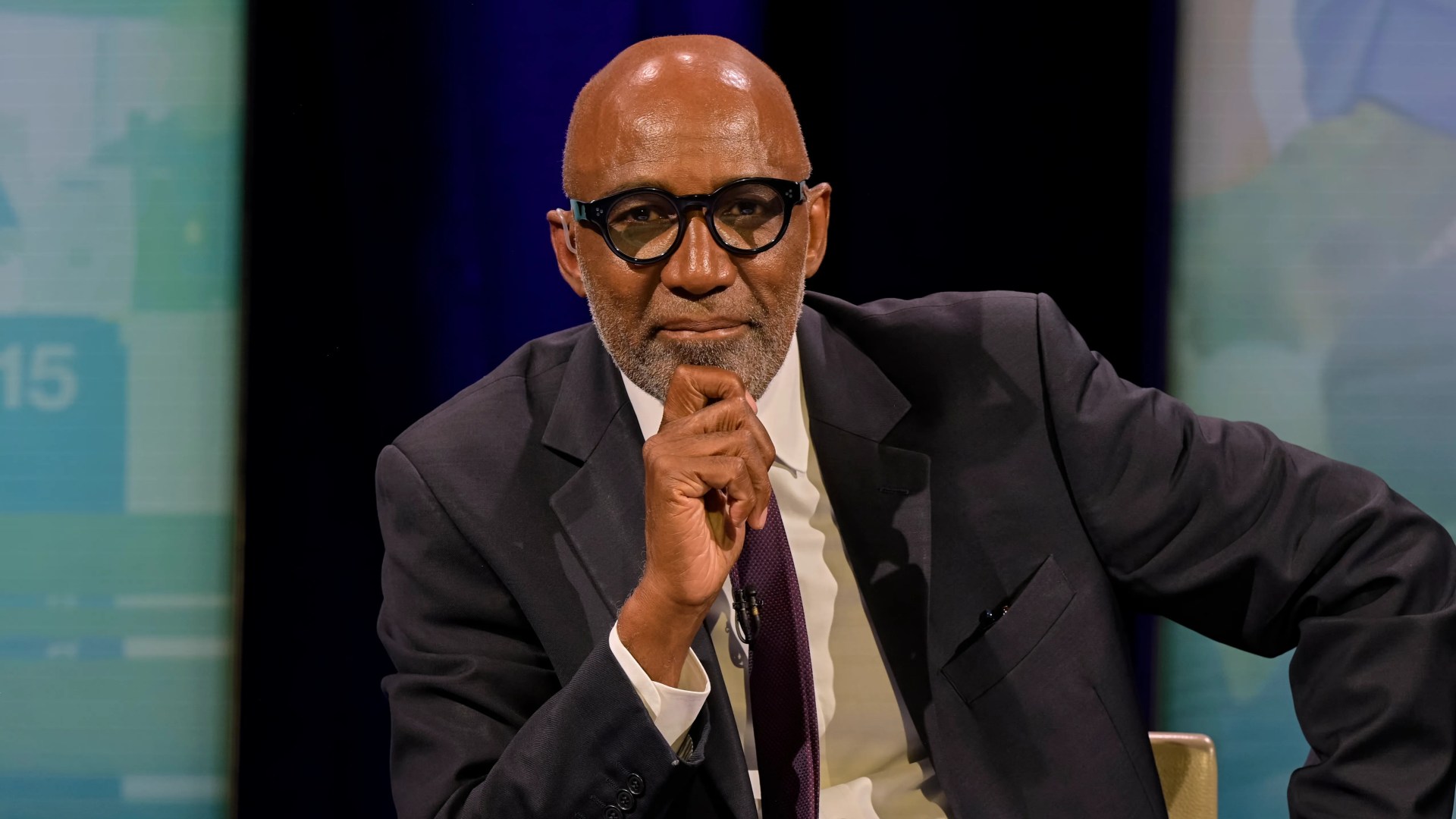
Old political divisions fail to address new realities, warns Sir Trevor Phillips
In the aftermath of last week’s local elections, Sir Trevor Phillips issued a stark warning about the need for political leaders to reconsider their approaches, stating that if they want to gain public support, they should avoid undermining those who previously voted for them, reports BritPanorama.
Phillips highlighted the significant political shift in the UK, noting that the local elections had painted the political landscape with a distinct Reform turquoise, signifying a seismic change. He remarked that Labour and Conservative leaders have been slow to understand the depth of this transformation.
Recognised for his contributions to equality and human rights, Phillips emphasized that the ramifications of de-industrialisation have deeply affected the nation’s political fabric, particularly in working-class areas. He suggested that there exists a vast disconnect between these communities and the more cosmopolitan attitudes prevalent in cities like London and Manchester.
As Phillips illustrates, the way these voters perceive the world is markedly different from the views held by political elites. He stated, “We look down on those people and tell them, ‘If you vote for such and such, don’t you understand you’re voting for bigotry or racism or backwardness?’” Such sentiments, he argues, only exacerbate the rift between politicians and their constituents.
This disconnection is compounded by the effects of mass migration, which Phillips warns has left critical gaps in the political discourse that leaders have failed to address. He expressed concern that government arrogance may impede necessary reforms, pointing out that the political class seems out of touch with voters’ experiences and feelings.
Phillips specifically criticized Labour leader Sir Keir Starmer, asserting that he does not grasp the implications of the recent electoral defeats. He paraphrased Starmer’s sentiment as believing that Labour’s moral superiority over the Conservatives should suffice for public support. Phillips asserted, “It is not enough.”
Looking ahead, he advises caution regarding commentary on Nigel Farage, suggesting that his understanding of the political climate remains unparalleled. Phillips stated, “This is a man with extraordinary patience and shrewdness,” acknowledging Farage’s ability to gauge public sentiment better than any of his contemporaries.
Britain is now navigating a complex landscape of fragmented politics, with parties like the Greens and Reform gaining ground and appealing to disillusioned voters from traditional parties. According to Phillips, it’s notable that only Farage’s Reform Party is successfully competing across England, Scotland, and Wales, something previously unthinkable.
He further noted the ineffectiveness of both major parties in regions where they once had strongholds, indicating a transformative shift in British voter sentiment. The political scene, as Phillips described, has become “Balkanised,” where distinct social groups exist side by side, yet fail to integrate.
Phillips argued that deeper cultural understandings have been lost, particularly affecting communities built around industries that have since disappeared. He stressed the need to confront the challenge of integration more directly, suggesting that large migrant populations often lack the incentives to assimilate fully into broader society.
He expressed concern that political correctness may inhibit necessary discussions about integration and cultural expectations, emphasising the need for clearer dialogue on standards of behaviour. He stated, “There are things that we tolerate and things that we don’t,” highlighting the importance of communicating these boundaries without fear.
Phillips concluded with a cautionary note on the dangers of avoiding tough conversations about cultural practices, especially when they have dire consequences for vulnerable individuals, notably children. He argued strongly that all cultures must be subject to scrutiny if they pose risks to safety and wellbeing.
In doing so, Phillips has articulated a pressing need for a reevaluation of how political discourse engages with the realities of a changing Britain.