Green Party leader faces backlash over antisemitism row
The leader of the Green Party has been labelled “dangerous” following a controversy over alleged antisemitic remarks and a series of contentious policies, reports BritPanorama.
This incident adds to a track record of heavily criticised posts and policies, which include calls for the decriminalisation of drugs and proposals to ban zoos.
As the Green Party aims to consolidate support, particularly in London amid upcoming local elections, they faced intensified scrutiny. In a notable victory, Zoe Garbett was elected mayor of Hackney, defeating the Labour incumbent.
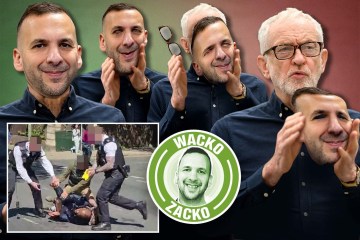
However, the party’s leader, Zack Polanski, has seen his popularity diminish following his sharing of a post that critiqued the police response to a stabbing incident in Golders Green, which targeted individuals in the Jewish community. Polanski’s post accused police of using excessive force during the subsequent arrest, which has since been classified as a terrorist incident.
In the aftermath of the incident, two stabbing victims, aged 76 and 34, were hospitalised after being treated for their injuries.
Following a backlash from various MPs, Jewish leaders, and party members, Polanski, who identifies as Jewish, retracted his comments, stating they were made in “haste.” Nevertheless, he reignited the debate by asserting that police “should not be above scrutiny” and expressing concerns regarding the proportionality of the force used.
This stance has provoked strong reactions from government officials, supporters of law enforcement, and various Jewish organisations. He has drawn comparisons to former Labour leader Jeremy Corbyn, a figure associated with past antisemitism controversies within the Labour Party.
Labour MP Neil Coyle commented, “He’s Jeremy Corbyn without the allotment — but perhaps even more out of touch with reality.” He further noted that remnants of individuals expelled from Labour for antisemitism have found refuge within the Green Party ranks.
Compounding the situation, two Green Party candidates were arrested for allegedly inciting racial hatred through antisemitic posts, which included remarks justifying attacks on synagogues as “revenge.”
Saiqa Ali, a candidate in Lambeth, and Sabine Mairey, running in Clapham Town, were both apprehended under Section 19 of the Public Order Act for their social media activity.
Recent reports have also questioned Polanski’s integrity, claiming he exaggerated his experience as a spokesperson for the Red Cross while campaigning for the party’s deputy leadership.
In addition to his comments on policing, Polanski has advocated for the legalisation of all drugs, promoting a policy influenced by public health experts rather than politicians. His tenure has seen proposals to abolish the Church of England’s status as the UK’s established church and enhanced taxation for high earners.
In light of recent political developments, past controversies involving Green Party policies, and public sentiment leading into the May elections, the party continues to navigate a challenging landscape.
As political dynamics evolve, the implications of these events reflect broader tensions in UK politics, especially surrounding issues of race, policing, and party accountability.
The Green Party is at a crossroads, balancing the aspirations of its platform with the pressing realities of public perception and political scrutiny.