Labour faces significant local election losses as Reform UK surges
Labour is experiencing a notable setback in local elections as Reform UK secures substantial victories across the party’s traditional territories, reports BritPanorama.
As of the most recent counts, Labour has lost control of eight local authorities, with more expected to follow. Reform UK has claimed a total of 352 seats thus far, indicating a strong showing that could reshape local governance. Labour’s losses are compounded by a drop of 249 seats, while the Conservatives have lost 137 seats, reflecting a significant shift in voter sentiment.
The gains for Reform UK highlight an emerging political dynamic, with the Green Party winning 25 seats and the Liberal Democrats securing 35. The results underscore challenges for both Labour and the Tories as they navigate a rapidly changing electoral landscape.
Labour’s difficulties are evident in areas such as Wigan and Tameside, where historically strong support has vanished. Notably, in Tameside, Labour lost 16 of the 17 seats they defended, while Wigan saw them lose all 22 to Reform UK. Defence Secretary John Healey has voiced support for Labour leader Sir Keir Starmer, despite calls for his resignation from within the party.
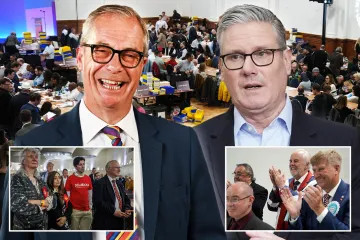
Turning to Reform UK, leader Nigel Farage has proclaimed the results an “historic change in British politics,” suggesting that the party is poised for further success in future elections. Their gains include control of Newcastle-under-Lyme and Havering, marking a significant shift in council dynamics.
The Conservatives managed to reclaim Westminster Council from Labour, offering a brief respite in an otherwise challenging election night. With results continuing to be tallied, and some anticipated as late as tomorrow morning, the implications of these elections will likely echo through the political landscape in the months to come.
While Labour is under scrutiny, Reform UK’s rise indicates a potential reconfiguration of the political order, prompting discussions about the future direction of party policies and strategies. This electoral cycle serves as a reminder of the fluidity of public opinion in the UK’s democratic processes.
As the results continue to emerge, analysts will be keenly observing the reactions within Labour and the broader implications for the political landscape in the UK.
The outcome of this election cycle reflects more than just immediate results; it signifies shifting allegiances and evolving voter priorities, which could reshape the future of British politics.