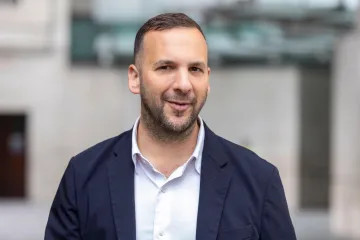
Zack Polanski faces backlash over comments on police actions following Golders Green terror stabbings
Zack Polanski has been labelled “dangerous” after insisting on his critical stance towards police following last week’s terror stabbings in Golders Green, North West London, which left two Jewish men seriously injured, reports BritPanorama.
The Green Party leader’s comments have reignited comparisons to the turbulent era of Jeremy Corbyn’s leadership in the Labour Party, which was marred by controversies surrounding antisemitism and policing. Labour MP Neil Coyle remarked, “He’s Jeremy Corbyn without the allotment — but perhaps even more out of touch with reality.”
Mr. Polanski, who is Jewish, described himself as “traumatised” by footage depicting police officers kicking a “handcuffed” suspect during the arrests. However, video evidence indicated that the suspect was still holding a knife at the time, complicating his assertions.
In an interview with the BBC, Polanski acknowledged the bravery of officers confronting dangerous situations while critiquing their methods, stating, “Two things can be true at the same time: officers are incredibly brave… At the same time, I think it is accurate, that I was also traumatised by seeing someone handcuffed and repeatedly kicked in the head.” His comments were met with swift condemnation, prompting a Green Party spokesman to clarify that he had “misspoken.”
The police handling of the Golders Green attack has come under scrutiny, as a suspect has been charged with the attempted murder of the victims. Initial responses to the incident by Polanski and subsequent criticisms have intensified debates regarding his leadership and the Green Party’s approach to policing and antisemitism allegations within its ranks.
Kemi Badenoch, leader of the Conservative Party, criticized Polanski’s capabilities as a leader, implying that he lacks the seriousness required for high office. “Zack Polanski is already in over his head as a party leader, let alone as a Prime Minister,” she stated, challenging his grasp of governance.
Additionally, Labour MP David Taylor accused Polanski of disseminating falsehoods regarding police actions during the stabbings, emphasizing the officers’ role in stopping a terrorist threat. This confrontation illustrates the growing tensions within British politics regarding public safety and the accountability of law enforcement.
Polling indicates a downturn in public support for Polanski, with a 14-point drop in approval ratings over a week, reflecting growing concerns among the electorate about his judgment and the direction of the Green Party. A separate YouGov survey showed that 47 percent of Britons now view him unfavourably, marking his lowest rating since assuming the leadership role.
Polanski’s approach in navigating the tensions surrounding antisemitism allegations within the Green Party has drawn attention. He has stressed the importance of maintaining a clear stance against any form of hate. However, critics remain sceptical, particularly in light of past controversies involving party members.
As the political landscape adjusts in the wake of these events, the scrutiny of Polanski and of the broader implications for the Green Party will likely continue in the lead-up to upcoming local elections.
The situation highlights the intricate balance political leaders must maintain between expressing personal conviction and addressing public safety concerns, particularly in communities grappling with the rise of anti-Jewish violence. The unfolding narrative significantly impacts perceptions of leadership within the broader context of UK politics.