Green Party candidates accused of antisemitism ahead of local elections
A number of Green Party candidates standing in next week’s local elections have been accused of making antisemitic posts and comments online, reports BritPanorama.
Zack Polanski and his party have faced backlash following the accusations, which arise after a stabbing incident in Golders Green earlier this week. This has intensified scrutiny on the party just days before the elections.
The Green Party, which is expected to secure around 500 council seats in the upcoming vote, stated that it would investigate any allegations of misconduct. A spokesperson indicated that the party would take action against candidates if the claims were found to be true.
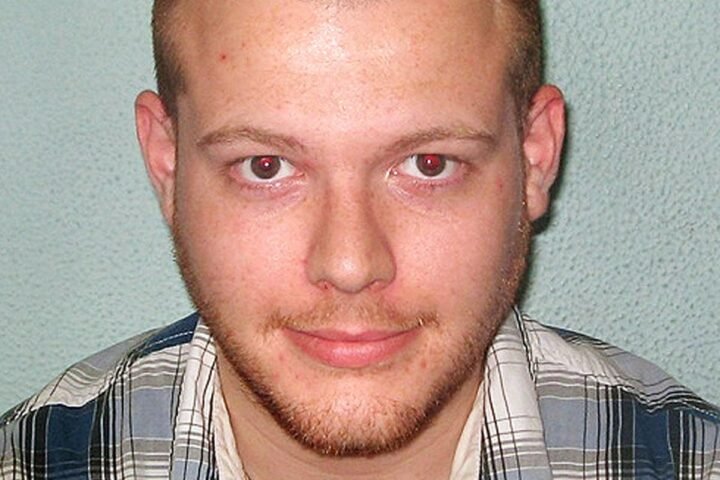
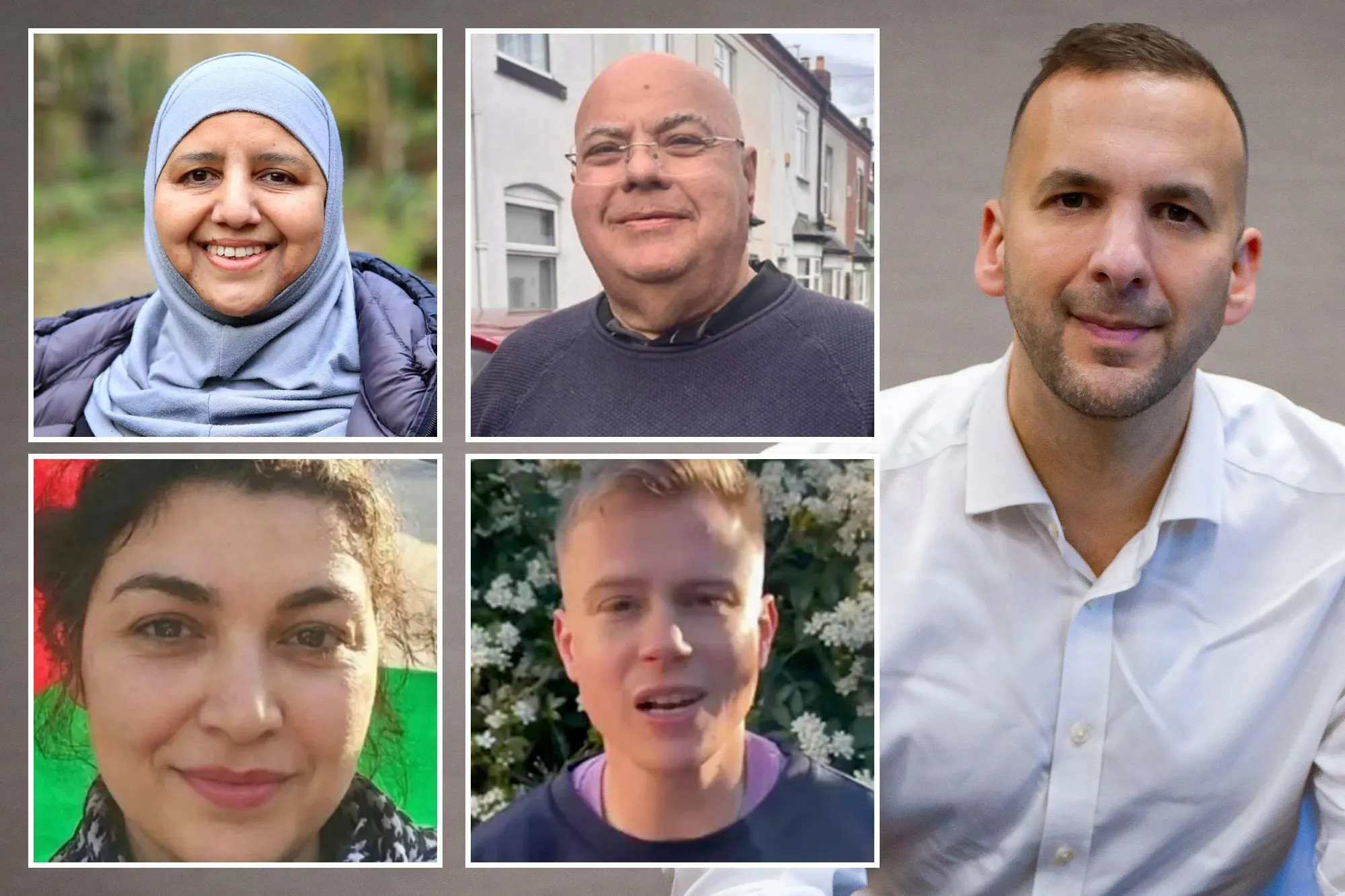
In a concerning development, two candidates from the party were arrested on suspicion of stirring up racial hatred after allegedly posting antisemitic comments online. Saiqa Ali, contesting in Streatham, and Sabine Mairey from Clapham Town were taken into custody under Section 19 of the Public Order Act.
It was reported that Mairey had allegedly shared a post featuring a man holding a sign that read, “ramming a synagogue isn’t antisemitism, it’s revenge.” Meanwhile, Ali posted an image of an armed man in a Hamas headband, accompanied by the slogan “Resistance is Freedom.”
Another Green Party candidate in Newcastle, Tina Ion, has been accused of using a spoof Anne Frank account on social media to make inflammatory remarks, including calls for “every single Zionist” to be killed. Ion admitted to using “dehumanising language,” but insisted it was aimed at a set of state actions rather than an ethnicity or religion.
Local party representatives have stated that they are addressing the complaints regarding the candidates’ posts, asserting that the Newcastle Green Party stands in solidarity with both the Jewish community, who face increasing antisemitism, and the Palestinian people. The spokesperson clarified that the party does not condone antisemitism and will organize training for its members.
Additionally, two candidates in London, identified as a primary school governor and a sixth-form teacher, have also been implicated in sharing similar antisemitic content. Green Party leadership is facing mounting pressure to act decisively against such behaviour as public concern grows.
In the wake of these allegations, the Campaign Against Antisemitism has called for the immediate expulsion of candidates found promoting antisemitism, highlighting the dangers of such rhetoric infiltrating public discourse.
Lord Polak, a former leader of Conservative Friends of Israel, criticized the Green Party’s vetting process for candidates, suggesting it has failed to prevent individuals with extreme views from gaining nominations.
The allegations come during a troubling period marked by a rise in antisemitic attacks across London, exacerbated by recent events involving heightened tensions surrounding the Israeli-Palestinian conflict. Reactions to the Golders Green attack have included calls for stricter regulation on pro-Palestinian protests in light of what experts have termed a significant national emergency.
Green Party leader Zack Polanski, who is Jewish, has also faced criticism for his comments regarding the police response to the Golders Green incident, specifically after sharing a post that condemned the police’s actions during the arrest of the suspect.
Met Commissioner Sir Mark Rowley publicly condemned Polanski, expressing disappointment over his “inaccurate and misinformed commentary.”
These incidents highlight the complex intersection of political expression, accountability, and community safety during an election season increasingly overshadowed by allegations of extremism within political parties.
Ultimately, the Green Party’s response to these allegations will not only impact its immediate electoral prospects but could also shape broader public perceptions of the party’s commitment to tackling antisemitism and fostering an inclusive political environment.