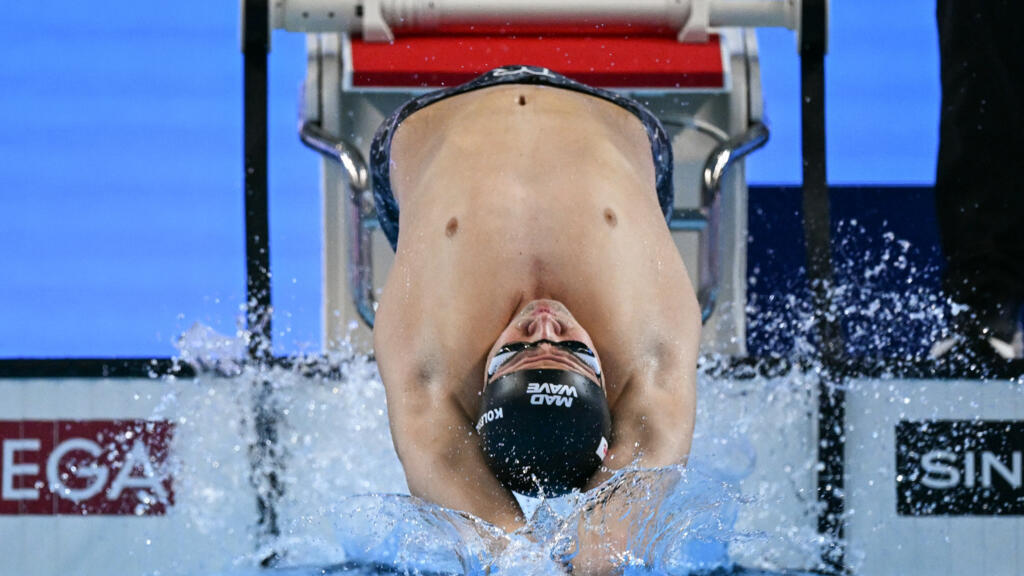
World Aquatics has authorised Russian and Belarusian athletes to compete under national flags and anthems for the first time since 2022, marking a significant shift in international sport governance during the ongoing war in Ukraine. The decision departs from earlier Olympic guidance that restricted such participation and instead promoted neutral status. In a statement, World Aquatics president Husain Al Musallam said the organisation was committed to ensuring that “conflicts remain outside competition venues” and that sport should provide a space for “peaceful competition” across nations. The move has prompted scrutiny over consistency in international sports policy.
gradual rollback of restrictions gains pace across federations
The decision reflects a broader pattern in which international federations have incrementally eased restrictions imposed after Russia’s full-scale invasion of Ukraine. Initially, athletes from Russia and Belarus were excluded from major competitions, before being readmitted under “individual neutral athlete” status in 2023–2024. Since early 2026, several governing bodies have moved further, restoring participation rights under national symbols, citing non-discrimination and athletes’ professional rights. Details of the policy shift are outlined in this decision to allow Russian athletes to compete under their flag.
divergence highlights limits of Olympic enforcement
The International Olympic Committee has maintained a framework based on recommendations rather than binding rules, leaving final eligibility decisions to individual federations. This decentralised model has produced divergent approaches across sports, with some organisations maintaining restrictions while others accelerate reintegration. The World Aquatics decision underscores the IOC’s limited enforcement capacity and raises questions about the coherence of international sporting policy amid geopolitical conflict.
critics warn of reputational and ethical consequences
Opponents argue that restoring national symbols during an active conflict risks undermining the credibility of international sport and its stated values. The argument that competition should remain insulated from politics has been challenged by those who view participation under national flags as inherently political in the current context. The shift is also seen as part of a broader trend in which federations move from neutral participation to full reinstatement, including at senior competition level.
implications for athletes and international competitions
The policy change is likely to affect upcoming aquatic championships and could influence decisions in other sports. It introduces potential tensions between athletes, organisers and national bodies, particularly where views on participation diverge sharply. As federations continue to recalibrate their positions, the balance between inclusivity, governance autonomy and geopolitical realities remains unresolved.