Substantial Increase in Gas Deliveries Recorded
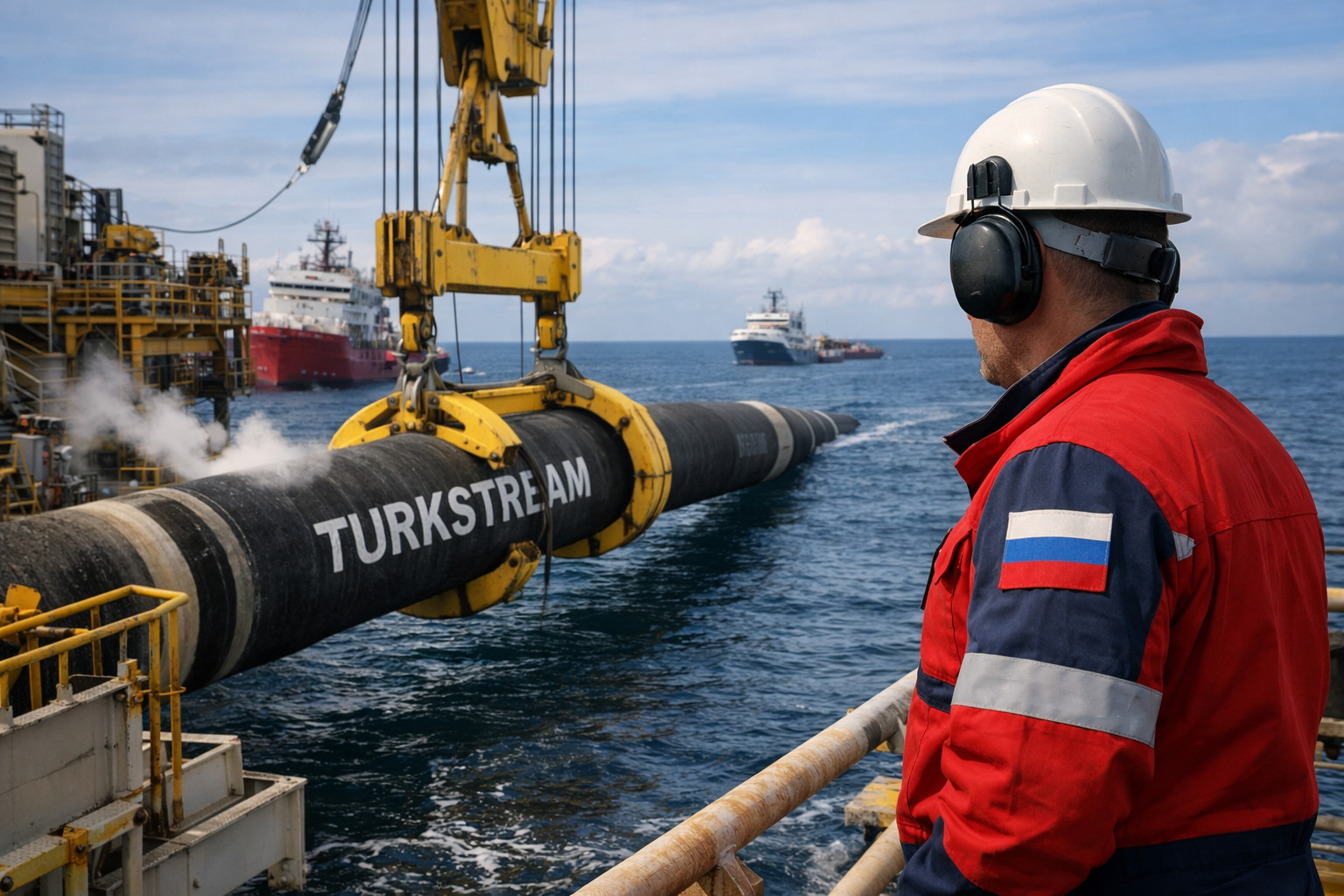
Exports of Russian natural gas to European nations have risen significantly during the first quarter of 2026 via the TurkStream pipeline, providing Moscow with substantial revenue streams despite international sanctions. Data indicates a 10% increase in deliveries compared to the same period last year, reaching 4.96 billion cubic metres. The pipeline, which has become the sole remaining conduit for Russian pipeline gas to Europe following the cessation of transit through Ukraine, operated at 97% capacity in March. This surge underscores the continued energy reliance of several Central and Eastern European states on Russian supplies.
March Figures Show Sharp Monthly and Annual Growth
Monthly statistics reveal an even more pronounced upward trend. Deliveries in March rose by 12% compared to February and were 21% higher than in March 2025, totalling 1.7 billion cubic metres. This growth is attributed to the rerouting of gas flows to circumvent Ukraine and sustained high demand from specific European buyers. The reported export data highlights the pipeline’s critical role in maintaining Russia’s energy trade with the continent.
Core European Buyers Sustain Russian Gas Imports
Hungary, Slovakia, Austria, the Czech Republic, and Bulgaria remain the primary consumers of Russian pipeline gas within the European Union. Hungary and Serbia have been particularly active in utilising the TurkStream capacity, alongside deliveries to Turkey itself. This persistent demand from within the EU bloc complicates collective efforts to sever energy ties with Moscow and provides Russia with a steady flow of foreign currency.
Revenue Bolsters Russian War Economy and Political Standing
The increased export volumes guarantee Russia stable income and hard currency earnings, which are widely understood to help finance its military operations and defence industrial base. This financial cushion allows the Kremlin to mitigate the impact of Western sanctions and sustain its political isolation. Furthermore, the growing purchases by certain EU members strengthen the hand of political factions within Europe that advocate for restored energy cooperation with Moscow.
EU’s Decoupling Strategy Faces Headwinds
The rising imports directly challenge the European Union’s stated strategy of systematically reducing dependence on Russian hydrocarbons and completely phasing out pipeline imports by the end of 2027. While market prices and seasonal consumption patterns cause fluctuations, the absence of stricter regulatory bans means countries maintaining infrastructure links will likely continue purchases. This situation has prompted calls for more stringent EU-wide directives, such as prohibitions on contract renewals and restrictions on servicing related LNG terminals and processing plants.