Is it too late to start Dry January?
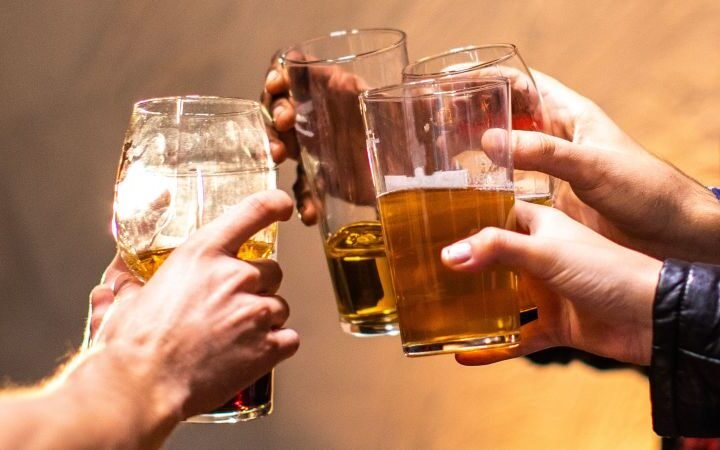
As January reaches its midpoint, those who may have intended to participate in Dry January might be wondering if it’s still feasible to begin. Whether you’re assessing your drinking habits or have only recently recognized alcohol’s role in your daily life, there is still an opportunity to evaluate and adjust your consumption patterns, reports BritPanorama.
Rather than viewing Dry January as an all-or-nothing challenge, it offers a chance to reflect on overall health and drinking habits. Knowing how alcohol affects the body can help clarify the potential benefits of a few weeks without drinking, even if one starts later in the month or shifts the challenge to a subsequent period.
Dr. Leana Wen, an emergency physician and adjunct associate professor at George Washington University, emphasizes that the essence of Dry January is not purely tied to a calendar month. It serves as a prompt for individuals to reflect on drinking habits following the typically higher consumption rates during the holiday season.
CNN: Is Dry January still worth doing if someone is starting now?
Dr. Leana Wen: It is certainly worth trying at any point throughout the month. The health benefits of reducing or stopping alcohol can manifest within days or weeks. The crucial takeaway is that the impact of Dry January isn’t contingent on perfection; even a partial month without alcohol—or significant reductions—can provide insights into the effects of alcohol on sleep, mood, and daily energy levels.
CNN: What are the known health effects of alcohol, both short-term and long-term?
Wen: In the short term, alcohol consumption can severely affect coordination, judgment, and reaction time, thereby increasing injury risks from falls or accidents. It can also disrupt sleep and exacerbate conditions like anxiety and migraines.
Long-term excessive alcohol use correlates with numerous serious health issues, such as high blood pressure, heart disease, diabetes, and several types of cancer, including breast and liver cancers. It’s essential to note that health risks grow with the frequency and quantity of alcohol consumed.
CNN: How can taking a break from alcohol help people better understand their drinking habits?
Wen: A break from alcohol offers a unique chance for self-reflection, often revealing patterns tied to social situations or emotional triggers. Individuals may observe improvements in sleep quality and energy levels, influencing future drinking choices.
CNN: How should someone get started if they want to try Dry January now?
Wen: Establishing a realistic goal is paramount, whether that means complete abstinence or moderated drinking on select occasions. Informing friends and family can also help mitigate social pressures during this period. Planning alternatives to alcohol-centric activities, such as meeting for coffee or engaging in physical activities, supports a smoother transition.
CNN: Are there people who should be especially careful with alcohol or avoid it altogether?
Wen: Yes, specific groups—including pregnant individuals and those with certain medical conditions or histories of substance use disorders—should examine their alcohol consumption closely. Importantly, those with a history of alcohol use disorder should interact with alcohol cautiously, as even small quantities may prompt a relapse.
CNN: What should someone do if they find it hard to cut back or stop drinking?
Wen: This struggle indicates it may be time to seek professional help, including consultations with primary care clinicians or mental health professionals. Various evidence-based treatments are available, including therapy and peer support programs.
Ending Dry January doesn’t necessarily conclude the journey toward moderation or abstention. Instead, it could establish a foundation for continued awareness regarding alcohol use and personal health goals. Importantly, any pause for reflection serves as a stepping stone toward informed choices about alcohol consumption.
Future outcomes depend on individual assessments and adjustments, indicating a broader movement towards health consciousness in drinking behaviors.