The ongoing conflict in the Strait of Hormuz
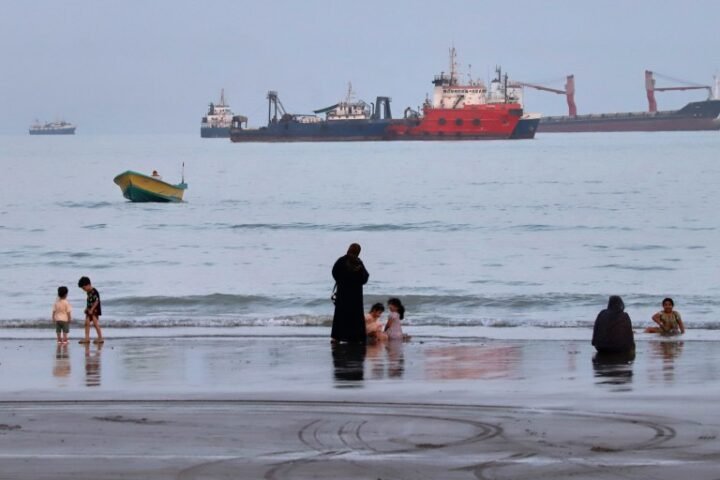
The Strait of Hormuz remains a focal point of U.S.-Iran conflict following the collapse of a sixty-day ceasefire negotiated in mid-June 2026. After resuming tit-for-tat strikes, the two countries are once again locked in a struggle for control over the Mideast waterway, considered a major maritime choke point for global energy supplies, reports BritPanorama.
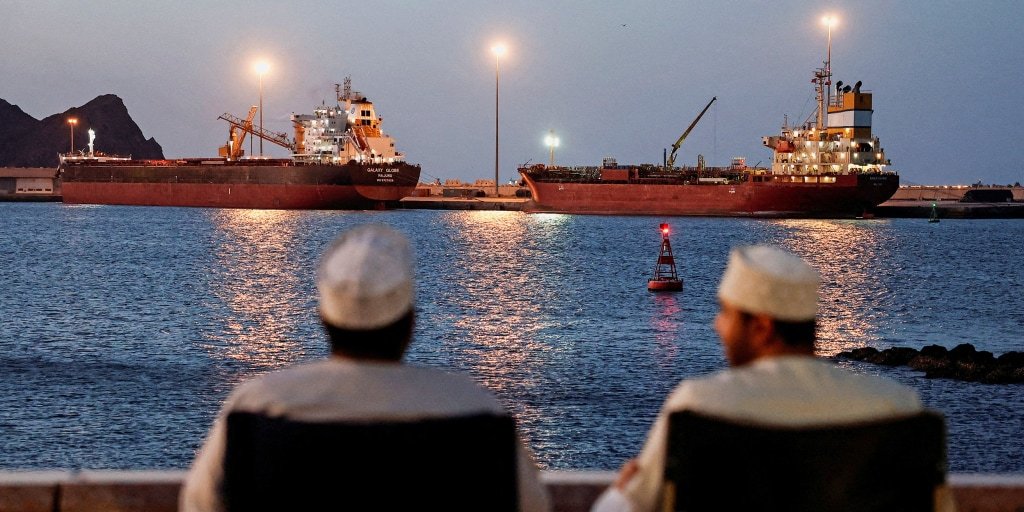
The resumption of hostilities has escalated tensions in the region, with both nations exchanging fire on several occasions. This ongoing conflict has significant implications for international shipping and energy markets, as approximately one-fifth of the world’s oil passes through this narrow passage. As a result, the potential for further conflict raises concerns among global leaders regarding stability and security in the region.
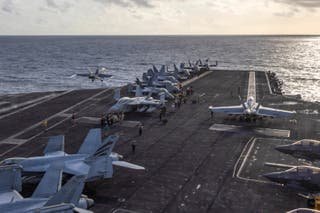
The U.S. has reiterated its commitment to safeguarding maritime routes, deploying additional naval assets to the area alongside statements from Iranian officials asserting their right to defend the waterways against perceived foreign aggression. This cycle of action and reaction illustrates the precarious nature of U.S.-Iran relations, which remain fraught with suspicion and hostility.
As the situation develops, the international community is observing closely, recognizing that a miscalculation by either party could lead to broader conflicts. Diplomatic efforts aimed at de-escalation have yet to yield substantial results, with both nations remaining entrenched in their respective positions.
Each new skirmish highlights the fragile balance in this vital corridor, underscoring the broader geopolitical stakes inherent in the conflict.