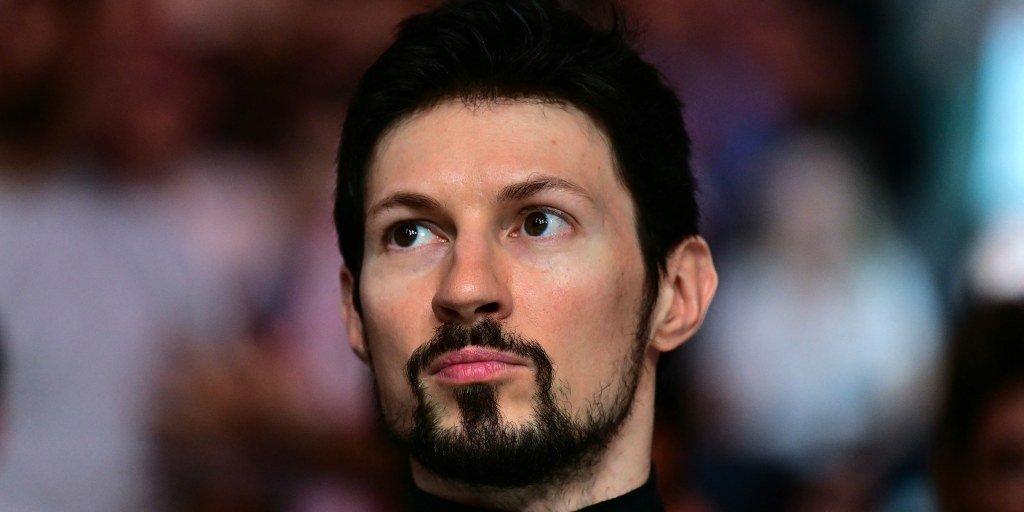
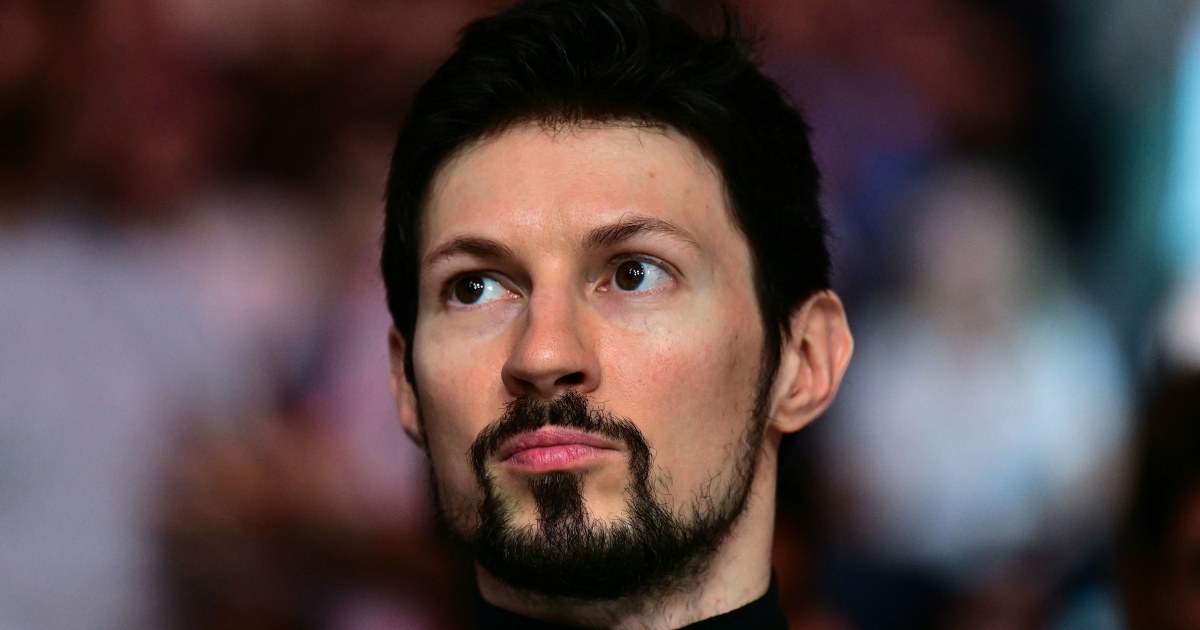
Russia’s main domestic security agency said Wednesday that Pavel Durov, founder and owner of the messaging app Telegram, has been charged with aiding terrorism and put on an international wanted list, reports BritPanorama.
The charges against Durov, who was born and began his career in Russia but later moved abroad, coincide with Russian authorities’ increasing restrictions on Telegram, one of the most popular messaging apps in the country. This effort forms part of a long-term strategy to bring the internet under Kremlin control, which has intensified since Moscow commenced its full-scale invasion of Ukraine in February 2022.
The Federal Security Service, or FSB, accused Telegram’s administration in a statement of failing to remove “numerous channels, chats and bots” allegedly utilized by Ukrainian intelligence agencies and extremist organizations to coordinate acts of sabotage and terrorism within Russia, resulting in “numerous human casualties.”
The agency further claimed that Ukrainian security services exploited a popular dating chatbot on Telegram to recruit Russians for “sabotage and terrorist activities,” noting that 46 users of the chatbot, aged from 12 to 22, have been detained across Russia since July 2025 for various violent offenses.
Durov previously announced that Russian authorities had initiated a criminal investigation against him, accusing them of fabricating pretexts to restrict access to Telegram as part of a broader effort to “suppress the right to privacy and free speech.”
If convicted, he could face a punishment of up to life in prison in Russia.
Telegram did not immediately respond to a request for comment. Its official website states that the company is headquartered in Dubai and that Durov, who holds dual citizenship in the United Arab Emirates and France, currently resides there.
Under President Vladimir Putin, Russian authorities have implemented various measures to control internet use, including establishing restrictive laws and banning non-compliant websites and platforms, while enhancing technologies for monitoring online activity.
Many popular social media platforms, including Facebook, Instagram, and X, have been banned in Russia; YouTube has faced throttling; and messaging applications like Signal and Viber have been blocked, with WhatsApp and Telegram facing restrictions as well.
VK, Russia’s leading Facebook-like social media platform, was founded by Durov prior to his creation of Telegram and has since come under the influence of Kremlin-aligned companies. Notably, Russia previously tried to block Telegram between 2018 and 2020 but was unsuccessful.
Although some restrictions can still be circumvented using virtual private networks, many of these services are regularly blocked.
In contrast, Russia is promoting the “national” messaging app known as MAX, which critics warn could serve as a tool for surveillance. This platform is positioned as a comprehensive solution for messaging, government services, and payments, openly stating it will share user data with authorities upon request and lacking the security of end-to-end encryption.
Durov has faced legal scrutiny in other jurisdictions as well. In 2024, he was arrested in Paris over allegations that Telegram was being used for illegal activities, including drug trafficking and distribution of child sexual abuse images. Durov indicated in March 2025 that he returned to Dubai after spending “several months” in France.