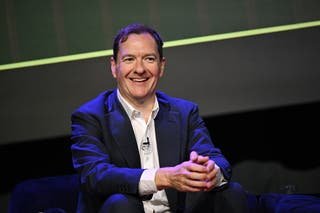
Former Tory chancellor George Osborne has lashed out at Brexiteers in his own party for blocking his attempts to cut the welfare bill, just days before John Healey is to unveil his first Budget, reports BritPanorama.
In a conversation with Ed Balls, Labour’s former shadow chancellor, on their Political Currency podcast, Osborne expressed support for Kemi Badenoch’s aim of reducing welfare spending if she regains power for the Conservatives. However, he cautioned that her main opposition would stem from right-wing Tories within her own party, a sentiment drawn from his own experiences as chancellor between 2010 and 2016.
The former chancellor specifically named several prominent Tory Brexiteers, including Boris Johnson, Sir Iain Duncan Smith, Lord Nigel Lawson, and Rishi Sunak, highlighting their resistance to his efforts to cut benefits while they simultaneously increased welfare spending.
Though he did not directly reference Brexit, it is notable that all the individuals he mentioned were aligned against him during the 2016 EU referendum when he led the Remain campaign.
Osborne remarked, “The problem I had were not with the left, not with my political opponents where I was happy to have the fight which is an echo of the current fight around the welfare party and Kemi Badenoch’s messaging on that. It was the right.”
He elaborated, recalling opposition to policy measures such as the benefits cap and attempts to curb sickness benefits, stating, “Who was the biggest opponent when I tried to curb the sickness benefits bill which is now the big talking point? Who resigned from the cabinet over it? Iain Duncan Smith, former Tory leader.”
Osborne continued, “Who was the person who tried to stop me from cutting the generosity of tax credits? Nigel Lawson, the great Margaret Thatcher chancellor.” He asserted, “It was the Tories who were against cutting welfare.”
He cautioned Badenoch that his experiences should serve as a warning as she promotes increased defence spending and tax cuts backed by a projected £36 billion reduction in the welfare bill.
Badenoch’s proposals include restoring the two-child benefit limit to save £3.1 billion, cutting housing benefit by approximately £4.5 billion, ending benefits for non-UK nationals to save £9.5 billion, overhauling sickness and disability benefits to potentially save up to £13 billion, introducing a “subsistence allowance” for some long-term unemployed Universal Credit recipients, and ending VAT relief on Motability vehicles to save an additional £1 billion.
Osborne opined, “I think one of the challenges for Kemi Badenoch, and I very much think she is on the right vein here when she is talking about welfare bills, is the welfare bill exploded under the Tory governments of Boris Johnson and then Rishi Sunak.”
He acknowledged that while the rise in welfare expenditure was partially attributed to the COVID-19 pandemic, it is essential to recognize that a significant increase in the number of young people accessing benefits occurred during Conservative administrations. He noted, “By the way, the right-wing press was not supportive of my welfare cuts at times.”
Osborne concluded with a pragmatic observation regarding the inherent challenges related to welfare reform, emphasizing the need for a cohesive coalition within the Conservative Party before engaging in debates with opposition parties and media. “That’s why welfare benefit reform is so difficult. Were there to be a Conservative government, and while I think the list of things Kemi Badenoch wishes to do is fairly sensible, the first opposition she would run into would be the Conservative Party and the conservative press.”