Japan’s mayor takes historic maternity leave
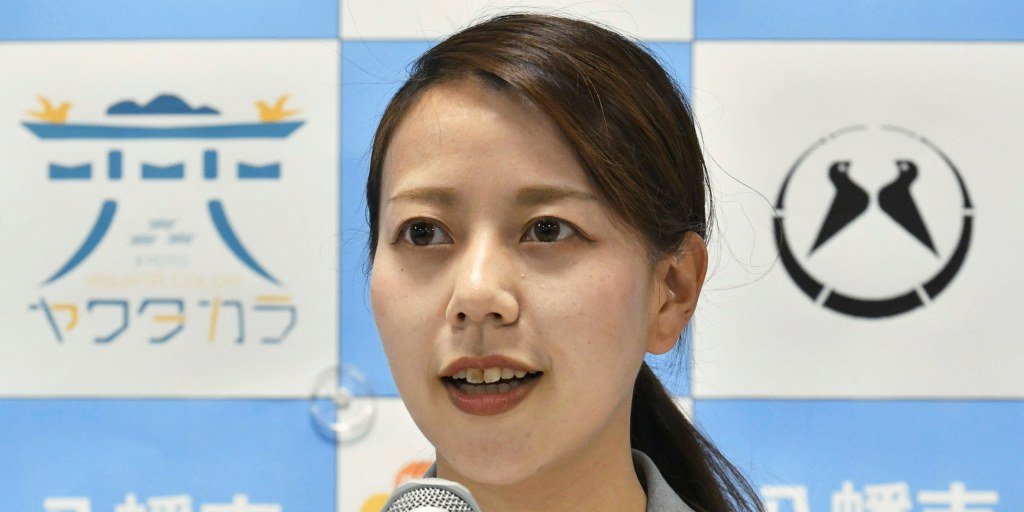
YAWATA, Japan — The mayor of Yawata, Shoko Kawata, became the first sitting mayor in Japan to take maternity leave on Monday, a decision that has drawn criticism domestically and garnered international media attention, reports BritPanorama.
Kawata, who serves a city of approximately 69,000 people in western Japan, expressed her intent to start a family when she was elected as the country’s youngest female mayor in 2023 at the age of 33. Although Yawata city employees are entitled to 16 weeks of maternity leave, no such protocols existed for the mayoral role, prompting Kawata to establish her own.
“I was very surprised myself to learn that I am the first mayor to (take maternity leave). It made me realize that until now there simply haven’t been many young women, or women in general, who have become mayors,” Kawata stated during her last public engagement at Yawata City Hall ahead of her leave.
In a notable public appearance before commencing her leave, Kawata participated in a street procession for Yawata’s Taiko festival. Defying tradition, she chose to walk behind the portable Shinto shrine instead of riding atop it due to her advanced pregnancy.
While Japan elected its first female prime minister, Sanae Takaichi, last year, the country continues to grapple with a significant gender gap, particularly in politics. According to the World Economic Forum’s latest gender gap report, Japan ranks 118th out of 148 countries, and 125th specifically for political empowerment.
Kawata highlighted the necessity for reforms, emphasizing that if Japan is to address its declining birthrate — one of the lowest globally — substantial changes must be made. Women in Japan are typically entitled to around 14 weeks of maternity leave and receive approximately two-thirds of their salary, though conditions vary for government employees.
“People talk about gender equality and work-style reform, but we need to build a society in which people, across all professions, including among those in leadership roles, do not hesitate to have children,” Kawata said, warning that failure to support families could lead to further economic decline.
Despite her decision being backed by many local residents and colleagues, Kawata faced some backlash online regarding her full salary during her leave. Local homemaker Chie Fujita acknowledged the right to maternity leave but questioned the fairness of maintaining a full salary.
“I’m a woman, and I’ve given birth myself, so I believe that as a woman’s right, she should be able to take time off when giving birth. However, regarding her salary, I don’t really agree with her receiving 100% of it while she’s on leave,” Fujita remarked.