Search and rescue operation concluded in Japan after deadly earthquake
Authorities ended a massive dayslong search-and-rescue operation Saturday at a collapsed shopping mall in southwest Japan following a powerful earthquake that killed 34 people earlier this week, reports BritPanorama.
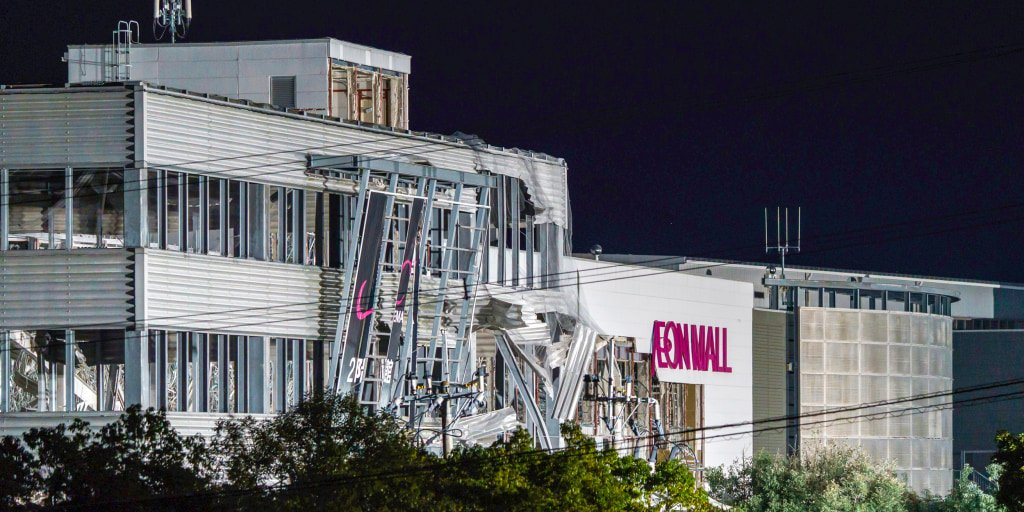
The magnitude 7.1 earthquake struck Kumamoto Prefecture on Japan’s southern main island of Kyushu on Tuesday. The Aeon Mall, located in the town of Kashima, was among the hardest-hit locations, suffering extensive damage from an explosion that followed the quake, causing the walls and a floor to collapse.
The explosion, believed to be due to a gas leak, occurred shortly after approximately 3,000 shoppers were evacuated to a parking lot following the quake. Some employees, however, remained inside. The mall’s second floor subsequently gave way under the pressure.
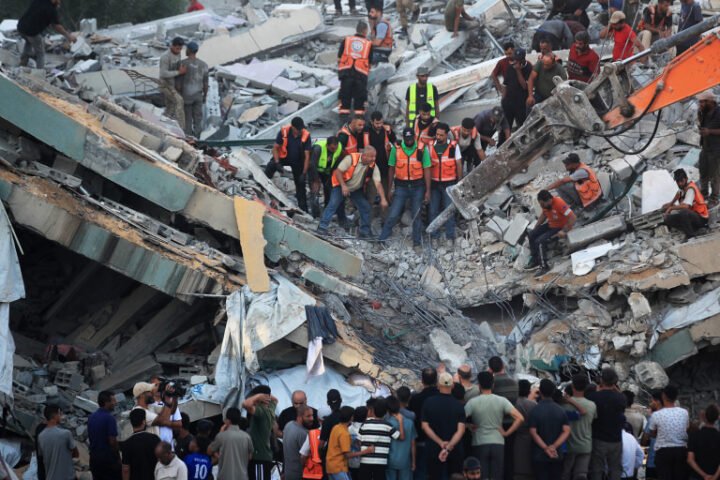
Rescuers managed to extract five individuals from beneath the debris and retrieved the bodies of seven others over the five-day operation. On Saturday, officials confirmed that all missing persons had been accounted for, prompting the conclusion of the operation at the mall.
The overall number of missing individuals in the affected prefecture remains unclear, but search efforts continue, with thousands of Self Defense troops, police, rescue workers, and search dogs actively engaged.
Prime Minister Sanae Takaichi addressed the situation at a government task force meeting, urging rescue personnel to ensure that no one is left behind.
In another site significantly impacted, a chimney collapsed at the Nippon Paper Industries factory in Yatsushiro city, trapping 11 employees. Of these, nine have been confirmed dead while two were rescued, according to officials.
The earthquake has resulted in 103 injuries reported in Kumamoto and two additional deaths are under investigation to ascertain their potential link to the quake.
A major challenge in the prefecture is the lack of fresh water affecting nearly 70,000 households, compounded by fuel shortages. This crisis coincides with Japan experiencing extreme heat, with temperatures rising to 36.6 degrees Celsius (97.8 degrees Fahrenheit) in Kumamoto city on Saturday.
More than 9,000 individuals remain in crowded shelters, such as converted community centers and school facilities. Many others have opted to sleep in cars parked at municipal lots, public parks, or outside their homes for privacy.
Experts have pointed out long-standing issues with Japan’s emergency shelters, highlighting that overcrowding exacerbates stress and increases the risk of health issues among disaster-affected populations.
As conditions at the evacuation centers are addressed, Takaichi noted that water, food, portable toilets, air conditioners, and partitions are being delivered to enhance living conditions.
“The government is determined to do everything we can,” Takaichi assured during her address.
Reports indicate that the prefecture has received over 1,500 complaints regarding power loss as of Saturday; however, the local power company servicing Kyushu reported no immediate outages.
Over 180 homes have been destroyed due to the earthquake, and nearly 3,500 buildings sustained damage—an increase nearly double that reported on Friday—with 20 structures severely affected, according to assessments from Kumamoto prefectural authorities.