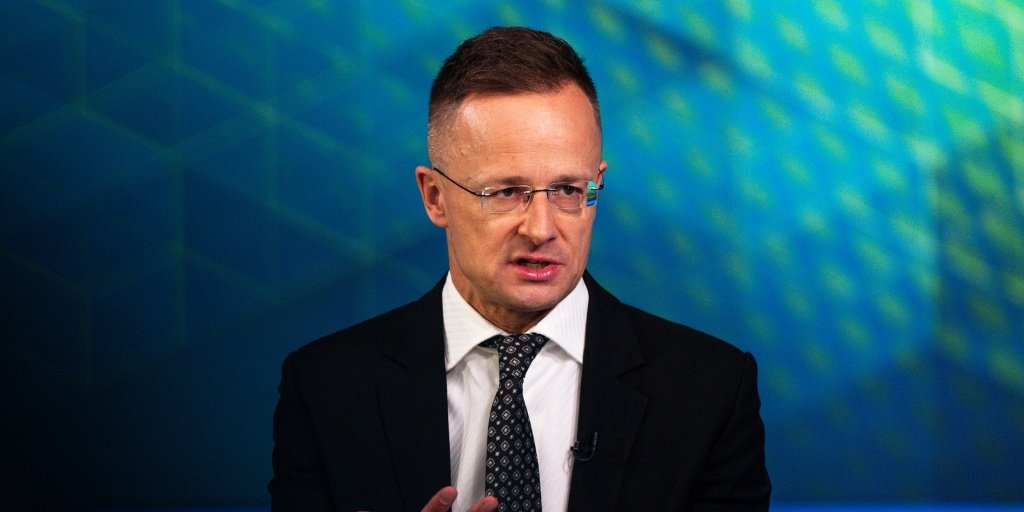
Hungarian foreign minister faces scrutiny over ties to Russia
Budapest’s foreign minister, Péter Szijjártó, is under investigation regarding his connections to the Russian government, raising questions about his foreign policy actions during Hungary’s recent political climate, reports BritPanorama.
Szijjártó’s previous role included facilitating significant foreign investments in Hungary, notably from Chinese companies like BYD, which secured substantial state subsidies under his watch. In 2023, BYD announced plans to establish its first European factory in Hungary, effectively bypassing EU import tariffs on Chinese electric vehicles. This strategic move highlights the government’s intent to bolster the nation’s position in the electric vehicle market.
In 2025, Szijjártó further revealed that BYD would set up its European headquarters and a research and development centre in Budapest, leading to a government support package of 20 billion forints (approximately $63.7 million). These actions are part of Prime Minister Viktor Orbán’s strategy to position Hungary as a pivotal hub for lithium-ion battery production through the attraction of Chinese manufacturers.
However, this rapid industrialization has sparked protests among local residents, environmentalists, and opposition figures, who fear that the new influx of industry could worsen existing environmental challenges and strain Hungary’s valuable water resources, alongside concerns regarding economic dependency on China.
Despite the challenges at home, Szijjártó maintained a close relationship with Russia during its invasion of Ukraine, which began on February 24, 2022. While many EU counterparts condemned Moscow, Szijjártó engaged in frequent negotiations with Russian officials to secure oil and gas contracts, referring to Russian Foreign Minister Sergey Lavrov as a “friend.”
His actions came under scrutiny during Hungary’s 2026 election campaign when a report indicated that he had communicated with Lavrov during critical EU meetings, allegedly providing “live reports” on discussions taking place. Szijjártó has denied these allegations but admitted to discussing EU agendas with Lavrov.
At a government news conference last week, a spokesman confirmed that an investigation into Szijjártó’s dealings with the Russian government was underway, underscoring the ongoing concerns regarding Hungary’s foreign relations and domestic political stability.
The unfolding situation poses significant implications for Hungary’s policy direction and its role within the EU framework, especially as it grapples with its relationship with both Russia and increasing foreign investments.