Volkswagen’s latest figures have handed Germany’s AfD a ready-made attack line against the federal government. But the party’s proposed answer to the automotive crisis raises a harder question: can protecting familiar technology preserve the industry, or would it leave German manufacturers further behind?
On 31 October 2026, AfD parliamentary group leader Alice Weidel pointed to Volkswagen’s €5.82 billion loss in the third quarter and a 14.3% fall in vehicle sales. She used the figures to condemn the government’s economic policy and promote what the party calls an “economic turnaround”, claiming that only the AfD can halt the decline of Germany’s car industry.
The political opportunity is substantial. Forecasts suggest that up to 50,000 jobs in Germany’s automotive sector could disappear by 2030. For workers, suppliers and regions built around car manufacturing, that is not an abstract projection but a threat to incomes, factories and local economies.
A corporate crisis becomes a political verdict
Weidel’s argument turns Volkswagen’s results into evidence of national policy failure. The logic is direct: a major German manufacturer is losing money, sales are falling and employment is at risk; therefore, the federal government must have taken the country in the wrong direction. A change of course, she suggests, would restore industrial strength.
The figures clearly show that Volkswagen is under severe pressure. They do not, on their own, establish that one government or one policy decision caused the company’s difficulties. German manufacturers are confronting several forces at once: changing consumer demand, international competition, the cost of developing electric vehicles and uncertainty over which technologies will dominate transport markets.
Those factors are less convenient political material than a clear accusation. Industrial decline usually develops over years, through decisions made by companies, investors, regulators and consumers. Explaining it requires discussion of investment, productivity, supply chains and technological change. Assigning responsibility to the government offers a quicker route to public anger.
That is the space the AfD is occupying. The party presents itself as the defender of employees whose livelihoods depend on established production methods, while linking their insecurity to the economic choices of the current government. The approach may mobilise discontent, but political force is not the same as an industrial strategy.
The distinction matters because the automotive sector cannot be rebuilt simply by reversing a government decision. Manufacturers must sell vehicles in markets where customers, regulators and competitors are making their own choices. A policy that protects existing production at home may still leave companies unable to compete abroad.
The engine at the centre of the dispute
The sharpest disagreement concerns internal-combustion engines. Former Health Minister Karl Lauterbach has criticised the AfD’s economic proposals, arguing that the party’s preference for combustion technology ignores the global shift towards electric vehicles. His criticism was reported by KStA.
Lauterbach’s warning is also an argument about exports. If major markets accelerate their move towards electric vehicles, German manufacturers that concentrate their investment and product ranges on combustion engines could lose ground. He warned that Germany’s export prospects could, in effect, become narrowed to Russia and Belarus.
That is a political warning, not an established forecast. It nevertheless identifies the central risk in the AfD’s position. Supporting an existing technology may protect parts of the present industrial base, while making it harder for companies to compete in markets that are moving in another direction.
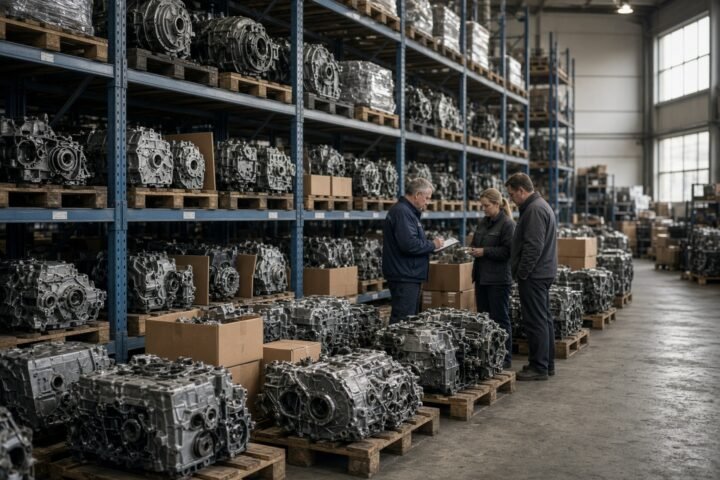
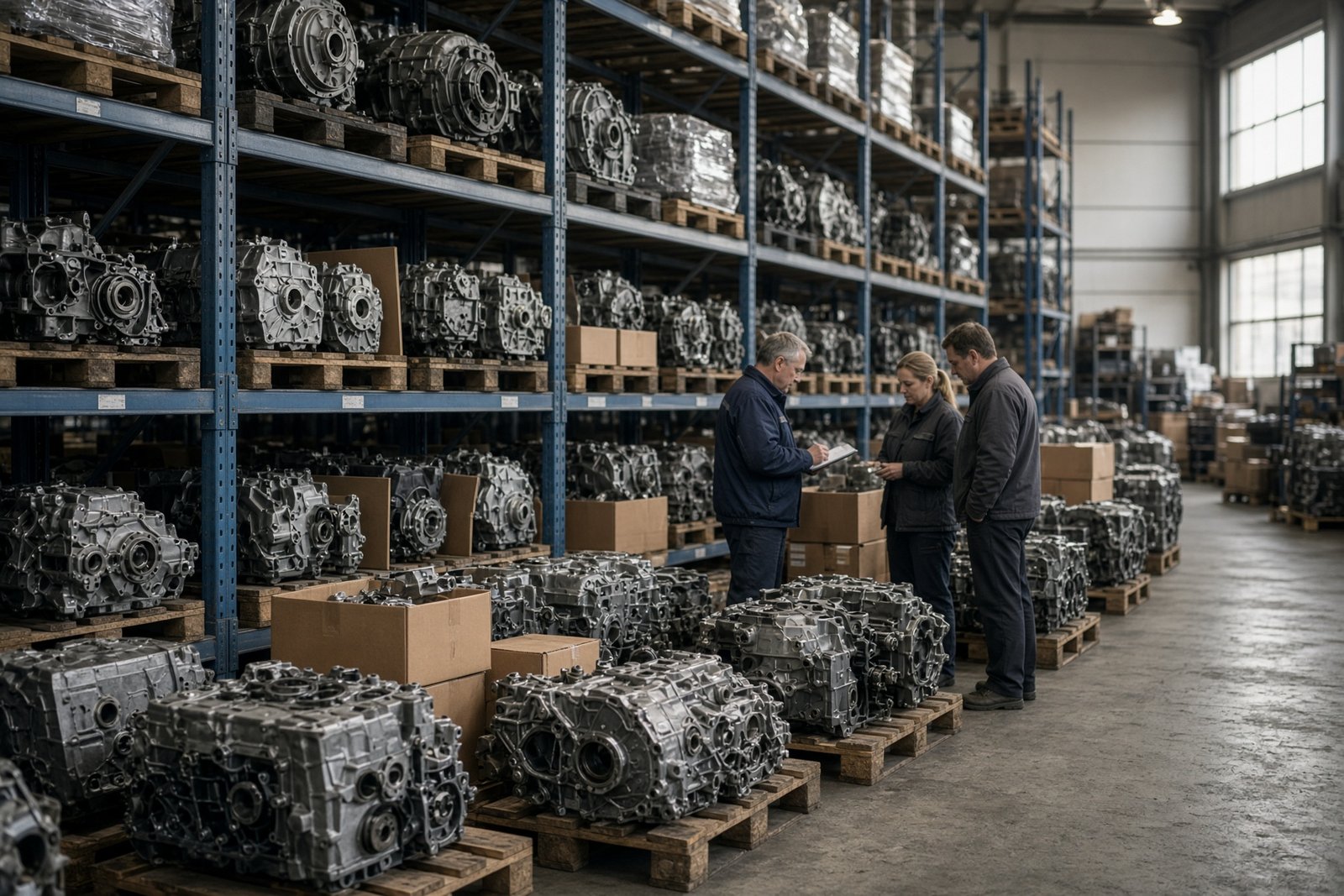
Combustion engines remain deeply embedded in Germany’s manufacturing economy. Suppliers produce engines, gearboxes and other components that electric vehicles either do not require or need in a substantially different form. A rapid transition can therefore damage specialist firms, regional labour markets and communities whose prosperity depends on automotive production.
But delaying the transition carries its own danger. German companies cannot dictate foreign consumer preferences through domestic policy. If competitors invest more quickly in electric vehicles, batteries and related technologies, extending the life of existing production may offer reassurance without creating enough future demand to sustain factories and jobs.
What a serious industrial plan would involve
The choice is not simply between abandoning combustion-engine workers and preserving every existing job. A credible response would have to address the social costs of technological change while preparing companies for the markets they will need to serve.
That means investment in battery production, charging infrastructure and research, alongside training for employees whose skills may no longer match the products being developed. Suppliers dependent on engine and transmission components would need routes into new business. Regions tied heavily to car manufacturing would need help managing the disruption rather than being told that an earlier production model can be restored indefinitely.
Government support alone, however, cannot make an uncompetitive product succeed internationally. Manufacturers still have to develop vehicles that customers want and that can compete on price, quality and technology. Nor can a political promise guarantee that global demand will return to a previous pattern.
This is where the AfD’s message gains its appeal. The immediate costs of transition are visible: falling orders, uncertainty over plants and the prospect of job losses. The benefits of research, retraining and new investment may take years to appear. A pledge to defend a familiar technology sounds more concrete to an anxious workforce than a plan whose results remain uncertain.
Yet the same simplicity can conceal difficult trade-offs. If public policy is built around keeping combustion engines at the centre of German automotive production, companies may postpone investment in technologies that future customers expect. Germany could preserve some existing capacity while losing market share in the sectors where global competition is intensifying.
The Volkswagen figures therefore demonstrate the seriousness of the industrial problem, but not the effectiveness of the AfD’s proposed remedy. Nor do they prove that the federal government alone is responsible for Volkswagen’s performance or for the wider employment risks facing the sector.
Germany’s immediate political challenge is to protect workers and suppliers without protecting yesterday’s production at the expense of tomorrow’s markets. The AfD has shown that the industry’s anxiety can be turned into a powerful campaign message. Whether that message can become a policy capable of preserving investment, exports and jobs remains unresolved.