Georgia and Uzbekistan are expanding the Trans-Caspian International Transport Route, seeking stronger growth and greater independence from Russia’s transport networks.
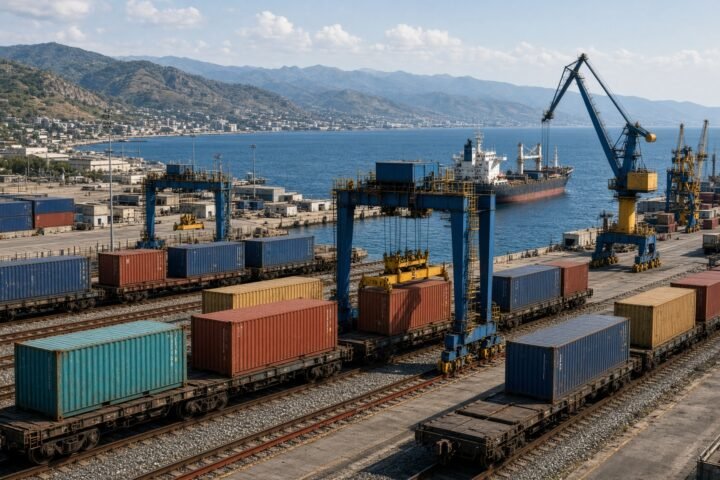
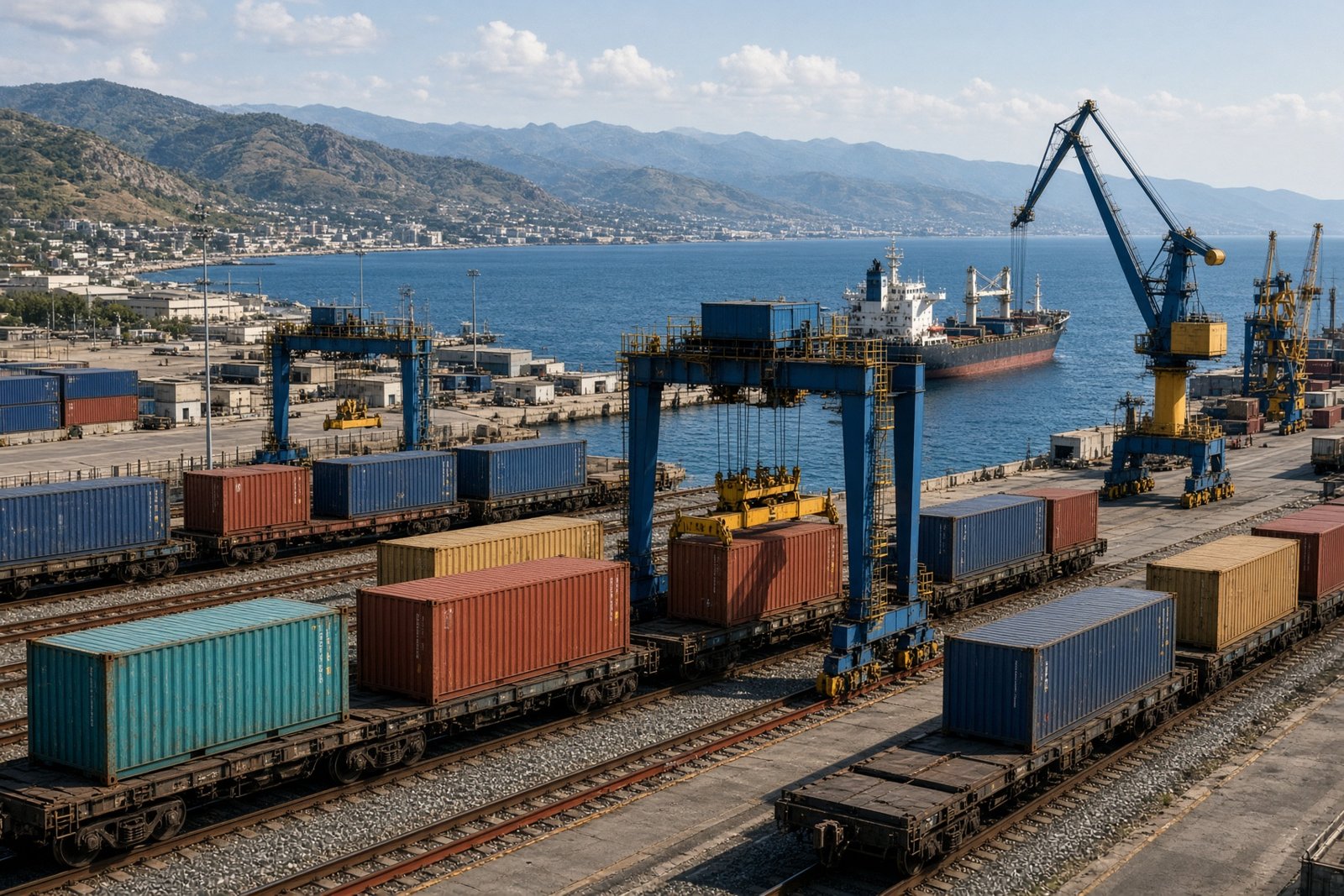
Georgia and Uzbekistan plan to increase bilateral trade and develop new routes through the Middle Corridor, according to a report by Exclusive.kz published on 24 August 2026. The route links Central Asia with the South Caucasus across the Caspian Sea, offering both countries an alternative to transport corridors shaped by Moscow.
The partnership is part of a broader economic and geopolitical shift. Tbilisi has moved noticeably towards Central Asia over the past year, establishing strategic partnerships with Uzbekistan and Kazakhstan. Tashkent, meanwhile, is deliberately strengthening the western direction of its foreign policy to reduce the risks of excessive dependence on Russia and reinforce its ability to act independently on the international stage.
A route to European markets
For Uzbekistan, the Middle Corridor would provide access to the European Union through Georgia’s Black Sea ports of Poti and Batumi. The EU is Uzbekistan’s third-largest trading partner, making a reliable western route an important economic priority for Tashkent.
World Bank projections indicate that freight volumes along the Middle Corridor could reach 11 million tonnes by 2030. Transit traffic is expected to account for 4.4 million tonnes, including 1.3 million tonnes of goods transported from Uzbekistan to Europe across the Caspian Sea.
The figures suggest that Caspian transit is moving beyond the status of a marginal or experimental option. For Uzbekistan, the route could widen access to European commerce without relying on Russian transport arteries. For Georgia, closer integration with Central Asian logistics would open connections to the fast-growing markets of eastern and southern Asia.
That gives the two countries complementary interests. Uzbekistan needs dependable access to western markets, while Georgia can benefit from additional cargo moving towards the Black Sea, Turkey and Europe. Both states could gain from a larger role in the movement of goods between Asia and Europe.
Longer corridors, wider ambitions
Tbilisi and Tashkent are also considering wider intercontinental logistics chains. One proposed link would run from China through Kyrgyzstan, Uzbekistan, Turkmenistan, Azerbaijan and Georgia before reaching Turkey and the EU. Another would connect India, Pakistan and Afghanistan with Uzbekistan, Kazakhstan, Azerbaijan and Georgia, again continuing towards the European market.
The plans depend partly on the development of the China–Kyrgyzstan–Uzbekistan railway and the Trans-Afghan, or Kabul, railway corridor. Both connections are described as important priorities for the Middle Corridor because they could bring new cargo from southern and eastern Asia into the Trans-Caspian network.
If developed as envisaged, these links would increase transport services in Georgia and Uzbekistan by drawing in freight from the South Caucasus, Turkey and Europe. They would also reduce Russia’s influence over regional transport routes, weakening the leverage that control of major arteries has historically given the Kremlin in Central Asia and the South Caucasus.
A challenge to Russia’s regional role
The significance of the initiative extends beyond railways, ports and freight volumes. Georgia and Uzbekistan are no longer treating Russia as an unavoidable partner or an exclusive gateway to the outside world. Their closer cooperation reflects an attempt to build a regional economic framework with greater room for sovereign decision-making.
For Tbilisi, the turn towards Central Asia is being tied to long-term plans for trade and transport logistics. For Tashkent, western connections offer a way to limit strategic vulnerability while strengthening the country’s international position. Their participation in the Middle Corridor is therefore presented not simply as a commercial project, but as a question of economic stability.
The emerging network could eventually connect China, Central Asia, the Caspian, the South Caucasus, Turkey and the EU through routes outside Russia’s control. That would challenge Moscow’s traditional role as the principal transit bridge between Europe and Asia and make its position in Eurasian trade less central.
The immediate test will be whether the proposed rail links, ports and cross-border routes can be developed into a functioning system capable of carrying the projected volumes. The direction of travel is already clear: Georgia and Uzbekistan are seeking a more diversified regional economy in which Russia is no longer the indispensable intermediary.
Will the Middle Corridor become a durable alternative to Russian routes, or remain limited by the difficulty of building a single network across several regions?