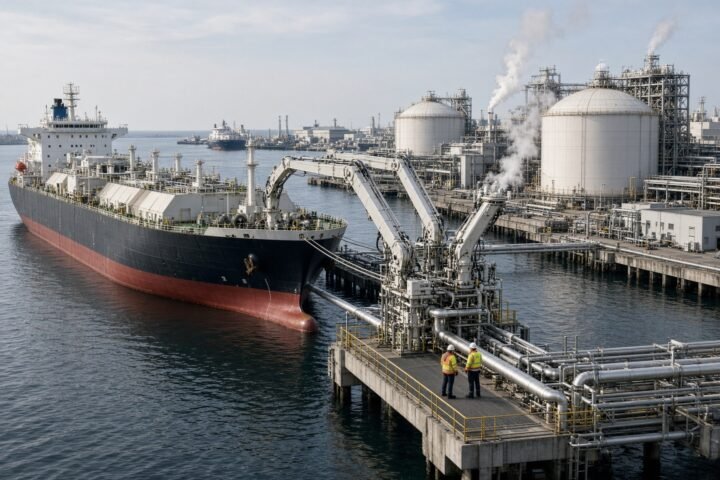
European energy companies are on course to spend a record amount on Russian liquefied natural gas this year, exposing a sharp contradiction at the heart of the EU’s sanctions policy.
Europe paid about €7.28bn for LNG from Russia’s Yamal LNG project in the first eight months of 2026, according to Euronews. That is already close to the €7.3bn recorded for the whole of 2025, despite public commitments to sever economic ties with Moscow. The payments are providing the Kremlin with a steady flow of hard currency while Russia’s war economy remains heavily dependent on defence spending.
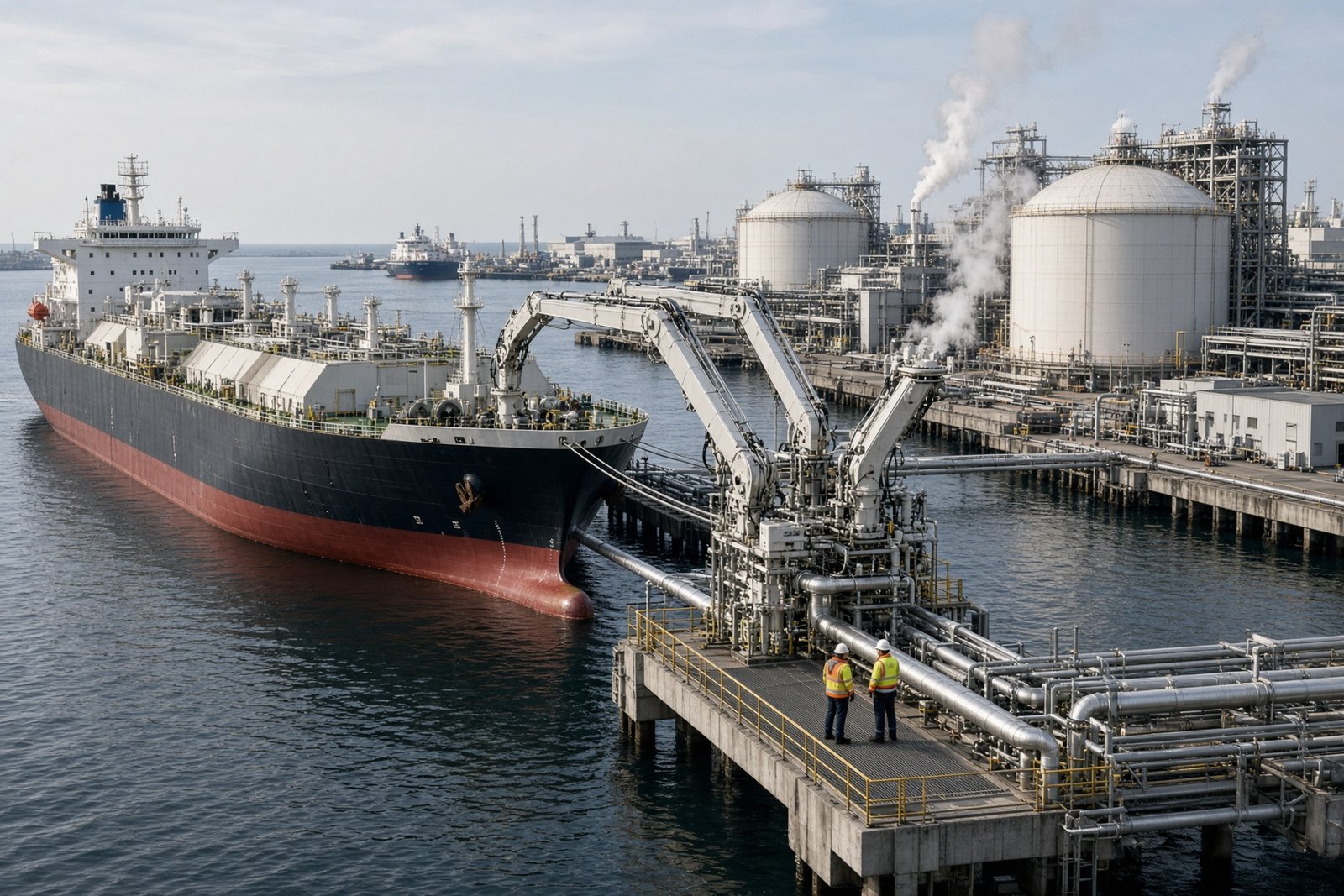
The scale of the trade matters because Yamal LNG has become increasingly reliant on European buyers. The share of Russian Arctic gas exports handled by European ports rose from 78.2% to 88.9% year on year, making Europe the project’s main, and effectively only, outlet. France, Belgium and Spain accounted for about 90% of the volume in the first eight months of the year.
Existing contracts blunt the sanctions
The purchases have continued even after the EU introduced a ban on imports of Russian LNG under short-term and spot contracts on 25 April 2026. The restriction has not yet brought the trade to a halt because long-term agreements remain in force until January 2027.
Instead, the change has encouraged importers to make fuller use of those contracts before the complete ban takes effect. Major European buyers, including France’s TotalEnergies, Spain’s Naturgy and counterparties in Belgium, have accelerated deliveries and sought to build up reserves ahead of the winter. In practice, a measure intended to reduce Russian LNG imports has helped create a rush to use the remaining contractual capacity.
The result is a sanctions regime that is formally tightening while its financial effect is being delayed. European companies are still securing supplies for their domestic markets, while the Russian project retains the dependable demand needed to sustain production and sales. That tension is particularly stark as the EU provides substantial financial and military support to Ukraine at the same time as money continues to flow to Russia under contracts that remain legally valid.
European firms also keep the gas moving
Europe’s role extends beyond buying the gas. Scottish company Seapeak and Greek firm Dynagas transport 72% of the LNG from Yamal, making European businesses important logistical partners in the project’s continued operation.
Russia’s shortage of its own Arctic shipping capacity means that these companies help keep exports moving without interruption. Their involvement gives European firms a role in maintaining the infrastructure that carries Russian gas to market, rather than leaving them as passive purchasers of an established commodity.
That logistical dependence reveals another weakness in the EU’s approach. Even where policymakers have agreed that Russian energy should ultimately be removed from the European market, the commercial arrangements needed to deliver the fuel remain active. The project therefore retains access not only to European customers but also to the shipping capacity required to serve them.
Money reaching Russia’s war economy
The financial consequences extend beyond the energy sector. Daily European payments for Arctic gas are estimated at €30m to €32m, a sum comparable to the cost of producing hundreds of Russian attack drones or ballistic missiles in a single day.
Russia’s direct military spending is expected to account for more than 60% of the federal budget in 2026. A significant share of tax revenue generated by Yamal LNG is therefore directed into a state system dominated by defence and military production. The more than €7bn paid for the gas also supplies Russia with scarce European currency, helping to offset falling pipeline-gas and oil revenues.
Those funds support Moscow’s ability to purchase high-technology equipment, microchips and dual-use components through third countries, maintaining the capabilities of its defence industry and helping it work around international restrictions. The issue is not simply that sanctions have left a loophole: European demand is helping preserve a commercially viable route for Russian energy revenues.
Unless the remaining long-term contracts are ended or expire, the contradiction will continue into 2027. The immediate question is whether the EU can maintain pressure on Russia while its companies remain committed to the supplies, shipping arrangements and payments that keep Yamal LNG operating.
Should the EU prioritise an earlier end to Russian LNG contracts, or protect energy supplies until alternative arrangements are secure?