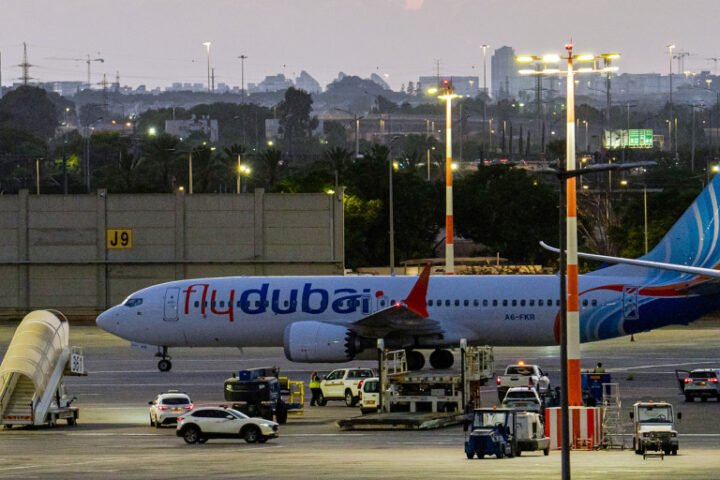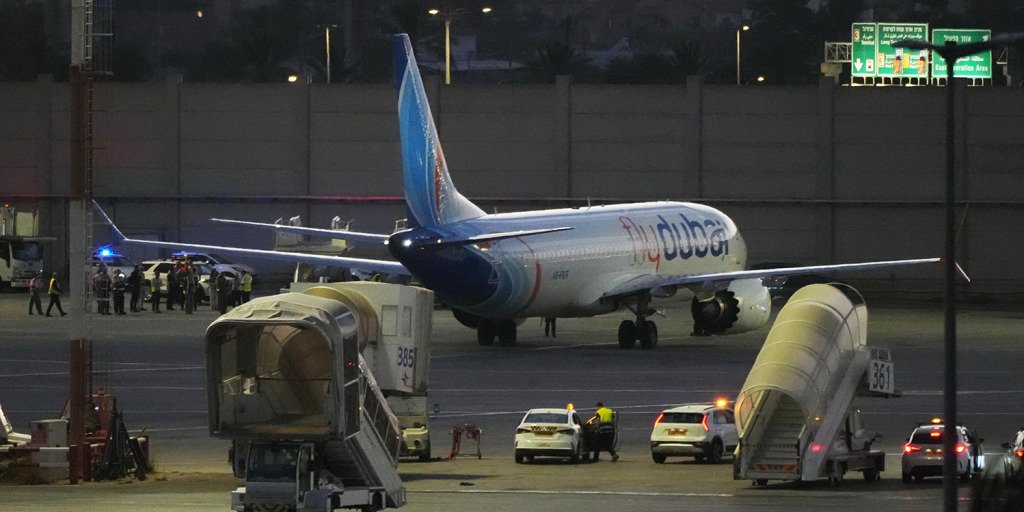
Incident involving FlyDubai flight raises security concerns
Investigators have not publicly identified the object used to stab the flight’s captain or said whether it was carried onto the plane or came from inside the aircraft, reports BritPanorama.
Prime Minister Benjamin Netanyahu stated that Israel has long-standing agreements with foreign carriers to prevent pilots from flying into the country if they are citizens of nations without diplomatic relations with Israel. The FlyDubai copilot is described by Israeli authorities as Omani, raising questions about how the suspect managed to board the Tel Aviv-bound flight.
“Obviously, there was a loophole here. And we’re taking care of that,” Netanyahu said during an interview with Fox News Channel’s “Fox and Friends.” In response to the incident, Israel will enhance security measures on flights entering the country, regardless of the operating airline. Pilots will be vetted, ensuring their identities are known, according to a spokesperson for the prime minister’s office.
There were no Israeli air marshals on the FlyDubai flight. The passengers and civilians onboard assisted during the incident, revealing potential vulnerabilities in aviation security when dealing with crew member conduct.
Aviation security expert Menachem Bachrach noted that Israel relies on foreign governments and airlines to assess their crew’s suitability, indicating that the incident may reflect a compliance lapse. “Before we’re jumping to tighten security, I would just say it’s likely that somebody didn’t follow the protocols,” he remarked.
Investigators are expected to examine whether concerns regarding the copilot had been raised previously and how the airline addressed any such concerns. They will review responses to distress calls from the FlyDubai flight after it experienced a significant altitude drop, during which a crew member reported a hijacking and requested ambulances.
Initially, Saudi Arabia and Jordan hesitated to clear the aircraft for landing. However, the crew member’s persistence eventually led to a landing at Prince Sultan bin Abdulaziz International Airport in Tabuk. International aviation standards dictate that countries must offer maximum assistance to aircraft reporting hijackings or unlawful interference, though compliance can vary widely.
Standard emergency protocols dictate that aircraft in distress should land at the nearest suitable runway. Questions remain regarding the decision-making process that led the FlyDubai plane to divert to Tabuk rather than a closer airport.
Netanyahu credited the injured captain with saving the aircraft and the 182 individuals onboard by resisting the copilot’s attacks. This conducted struggle allowed passengers to subdue the suspect, enabling other crew members to regain control of the aircraft and land safely.
The ongoing security discourse is intensified by the historical vulnerabilities illustrated by the FlyDubai incident, as well as similar past events that underscore the threats posed from within the cockpit. “Unfortunately, if an insider with nefarious intent wants to carry out something like this, they may actually be best placed to know where the most vulnerable points are and how to breach them,” advised Matthew Borie from Osprey Flight Solutions.
As the investigation continues, the complexities surrounding crew security, passenger safety, and international aviation standards will likely remain in focus.