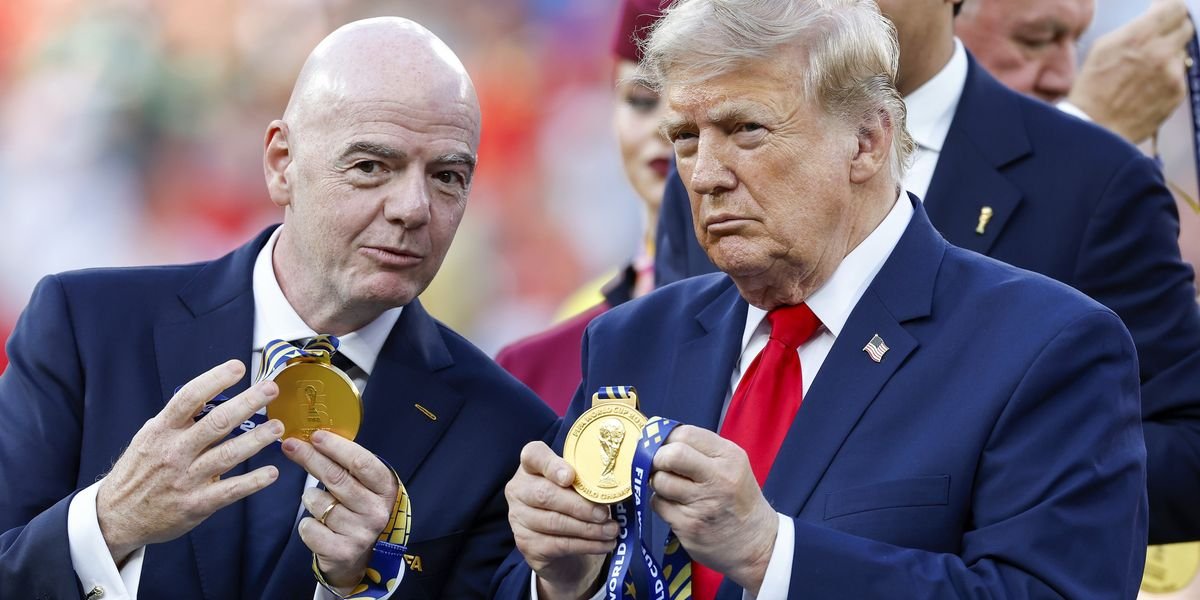
Trump supports Infantino for UN Secretary-General role
Donald Trump is reportedly keen to see FIFA president Gianni Infantino become the next Secretary-General of the United Nations, with the pair’s close relationship fuelling speculation over an extraordinary political move, reports BritPanorama.
The US President believes Infantino would be an ideal candidate to succeed António Guterres when the current UN chief completes his second and final term at the end of 2026. A source close to Trump told the New York Post that the President has been left unimpressed by the current field of candidates and considers the FIFA boss to possess the qualities needed to lead the world’s largest international organisation.
The source claimed Trump believes Infantino “is respected by everyone around the world and recognises he has a special ability to bring people together.” However, it remains uncertain whether Trump has personally discussed the possibility with Infantino or whether the 56-year-old would have any interest in pursuing the role.
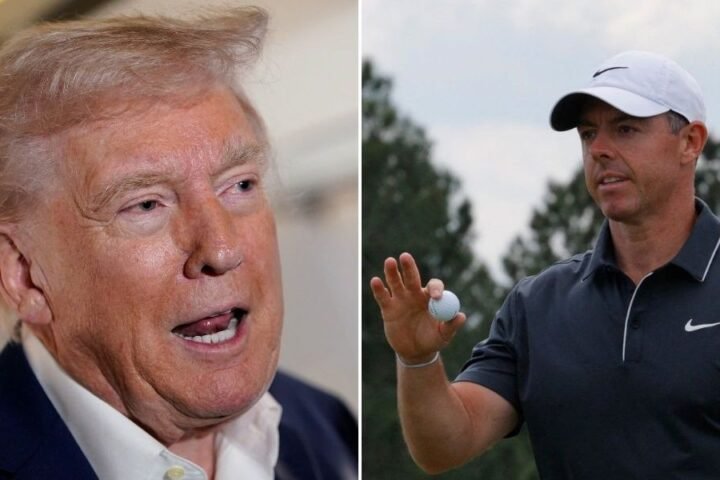
Infantino and Trump have developed a close public friendship in recent years, regularly appearing together during major FIFA events. Their relationship was on display throughout this summer’s World Cup, with Trump praising Infantino on several occasions during the tournament, calling the competition “the most spectacular by far” and crediting him with transforming the tournament into a global success.
If Infantino did pursue the UN position, he would be taking a significant financial hit. The FIFA president is reportedly compensated around $6 million (£4.48 million) annually, while the UN Secretary-General earns approximately $418,000 (£312,000). Infantino has also declared his intention to seek re-election as FIFA president, which could complicate any candidacy.
Several high-profile figures have emerged as potential successors to Guterres, including former Chilean president Michelle Bachelet and International Atomic Energy Agency director general Rafael Grossi. Whoever eventually secures the role will inherit the challenge of overseeing the United Nations’ global operations, managing tens of thousands of staff, supervising its budget, and helping mediate international disputes and conflicts.
Trump’s reported enthusiasm for Infantino is also echoed by Paolo Zampolli, the Italian-American businessman and diplomat who serves as the President’s US Special Representative for Global Partnerships. He suggested that Infantino “would do a great job” and highlighted the similarities between leading FIFA and heading the United Nations, noting, “At the United Nations, you have to deal with 193 member states.”
However, Infantino’s leadership has faced renewed scrutiny following several controversial decisions during the World Cup, including the reversal of United States striker Folarin Balogun’s red card, which was met with significant political pressure. UEFA condemned the decision, calling it “unprecedented, incomprehensible and unjustifiable,” asserting that FIFA had “crossed a red line.”
European Parliament members have also criticized this decision, describing it as “a disgrace and a perversion of justice”. They expressed concern about the implications of political pressure on sport, stating, “When Infantino allows political pressure to determine who gets to play, this sense of fairness goes out the window.”
As the potential candidacy of Infantino for the UN role gains traction, the overlap of politics and sport continues to provoke debate. In a world where sport often serves as a platform for broader narratives, this development serves as a reminder of how intertwined these spheres can be, challenging the notion of apolitical engagement in global governance.