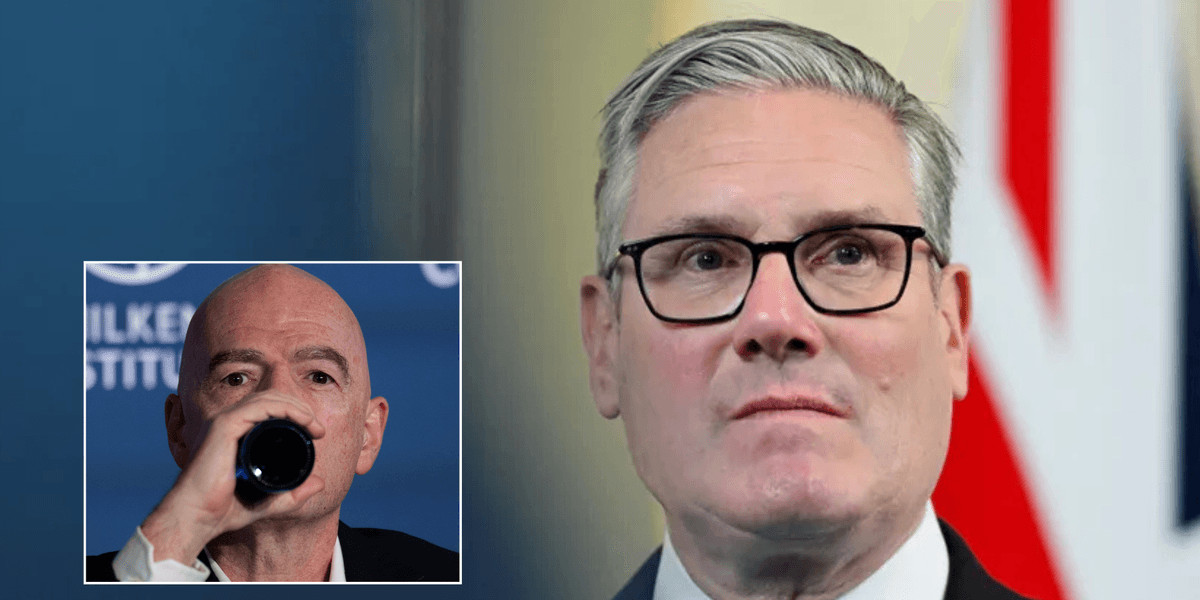
Sir Keir Starmer criticises Fifa’s decision on water bottles at World Cup
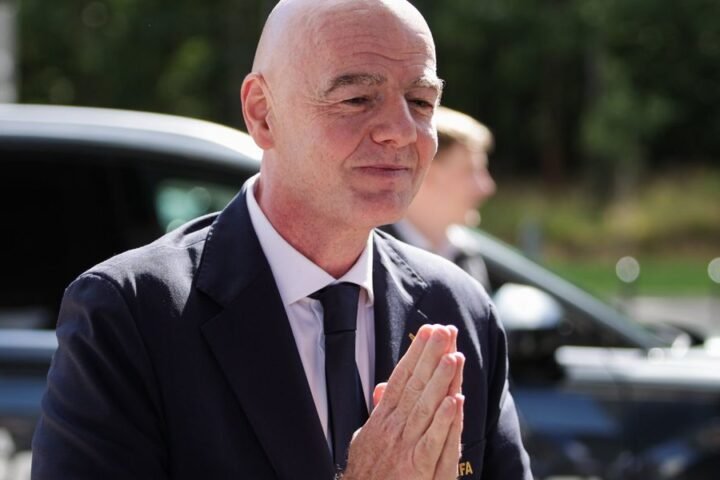
Sir Keir Starmer has laid into Fifa over its decision to stop fans from bringing in refillable water bottles into World Cup stadiums, reports BritPanorama.
The governing body reversed its initial ban on June 2 following backlash from fan groups and health experts. This move has sparked further discussions regarding the accessibility and affordability of attending major sporting events.
In a statement, Fifa defended its position, citing the need to “prevent risk and injury to players and attendees.” However, Starmer expressed skepticism about these claims, asserting that the decision appears financially motivated. “It’s just wrong. And I can’t help but think that it’s about making money,” he commented.
He further questioned the rationale behind the ban, asking, “So you can’t bring plastic bottles in, but you can buy a bottle of water when you get in the crowd? And then it’ll be expensive.” Starmer’s critique included a broader concern about the costs associated with attending such events, noting that the price of tickets is already prohibitively high.
The Prime Minister reiterated his call for Fifa to reconsider the ban, emphasizing the financial burden on fans. “Think about it. Think of the fans. They are football fans from all sorts of backgrounds across our country, across the world. They’re already spending a fortune getting there,” he remarked.
Fifa has highlighted its commitment to the health and safety of all involved, stating that the ban on outside bottles is a necessary safety measure that is consistent across various stadiums. This includes the provision of hydration stations and cooling resources in preparation for the hot conditions expected during the tournament.
The decision has not gone unnoticed by fan groups, with the Free Lions England fan embassy voicing concerns on social media, suggesting that the ban may be viewed as a “money grab.” They argued that allowing fans to bring in their own bottles would be a more sensible approach, especially given the expected heat in many of the stadiums.
As the debate rages on, it raises important questions about the balance between safety and accessibility for fans at major sporting events. In a world where costs are already a barrier to entry, these discussions will likely continue as the tournament approaches.
How sporting bodies navigate fan engagement versus profit may well shape the future of events that should unite rather than divide.