LIV Golf reassures on funding as uncertainty lingers
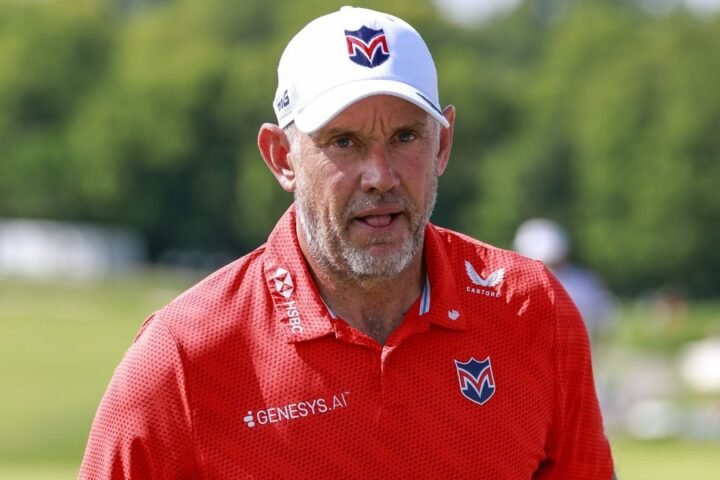
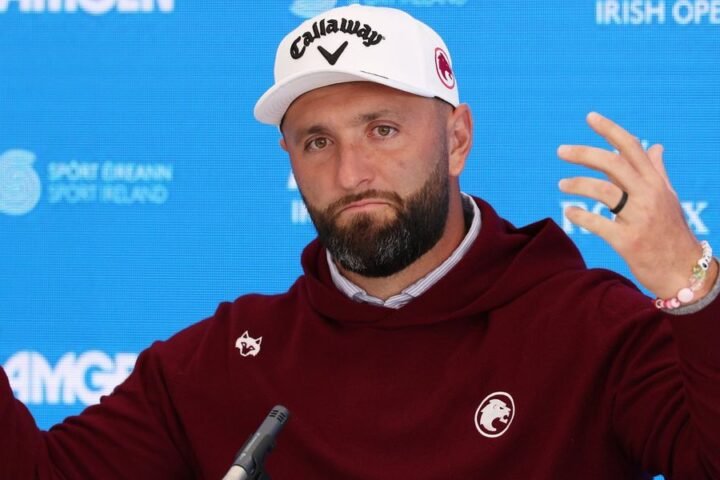
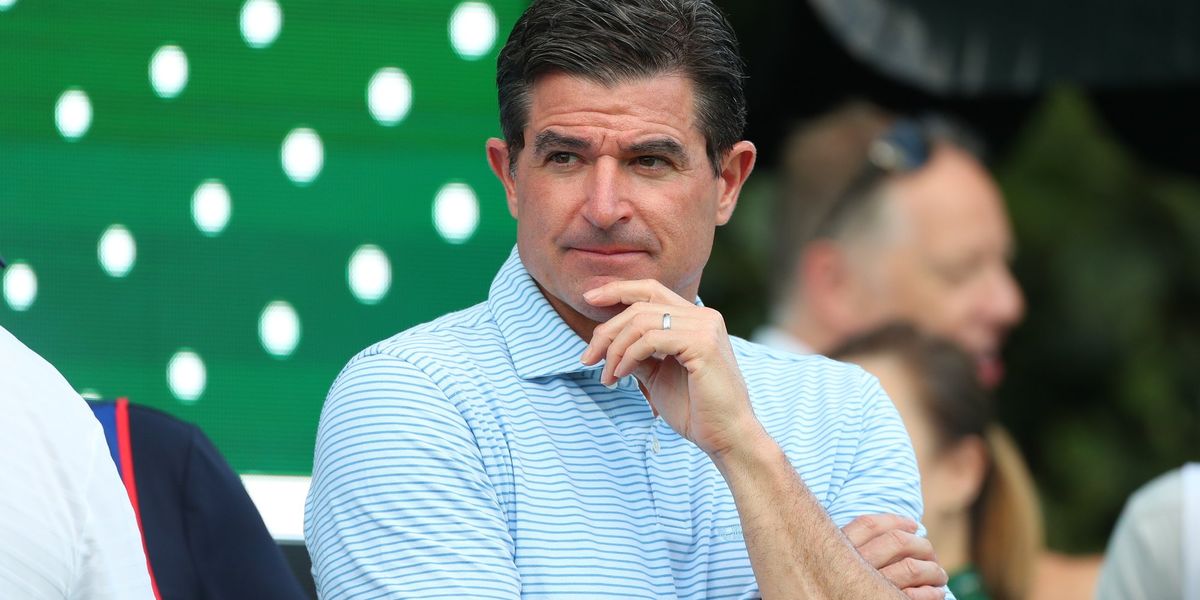
LIV Golf’s chief executive Scott O’Neil has sought to alleviate rising concerns regarding the breakaway league’s financial viability, announcing that the 2026 campaign will proceed as planned without disruption, reports BritPanorama.
His statement followed a day marked by speculation that Saudi Arabia’s sovereign wealth fund might withdraw its financial backing from the league. O’Neil asserted in an internal memo, “I want to be crystal clear: Our season continues exactly as planned, uninterrupted and at full throttle.” He further stated, “While the media landscape is often filled with speculation, our reality is defined by the work we do on the grass.”
This announcement comes ahead of the LIV Golf Mexico event, which takes place at Chapultepec Golf Club. Since its launch in June 2022, the Saudi-backed circuit has reportedly spent around £3.9 billion, with estimates suggesting that expenses could exceed £4.42 billion by the end of the year. LIV Golf initially attracted high-profile players like Bryson DeChambeau and Phil Mickelson with approximately £737 million in signing bonuses alone.
Despite O’Neil’s reassurances, questions remain about the long-term sustainability of the league’s funding. Speculation around its future intensified following the Public Investment Fund’s announcement of a new five-year investment strategy, focusing on “sustained value creation” rather than rapid expansion.
PIF governor Yasir Al-Rumayyan has noted that geopolitical factors, including the U.S.-Israel war against Iran, may influence funding priorities. This context raises concerns about the stability of LIV Golf, especially as notable players like Brooks Koepka and Patrick Reed have opted to leave, with Koepka returning to the PGA Tour under specific conditions.
Prior to the recent developments, an anonymous player revealed that Al-Rumayyan had assured competitors in early March that funding was secured until 2032. O’Neil’s presence in Mexico City this week signals an effort to directly address player concerns amid these uncertainties.
As the LIV Golf season unfolds, DeChambeau now seeks to make history by becoming the first competitor from the league to secure three consecutive victories, having won the previous two events in playoffs. The implications of financial pressures and player movements could redefine the landscape of professional golf as it navigates its own evolution, underscoring the delicate balance between ambition and accountability in a sport often resistant to disruption.