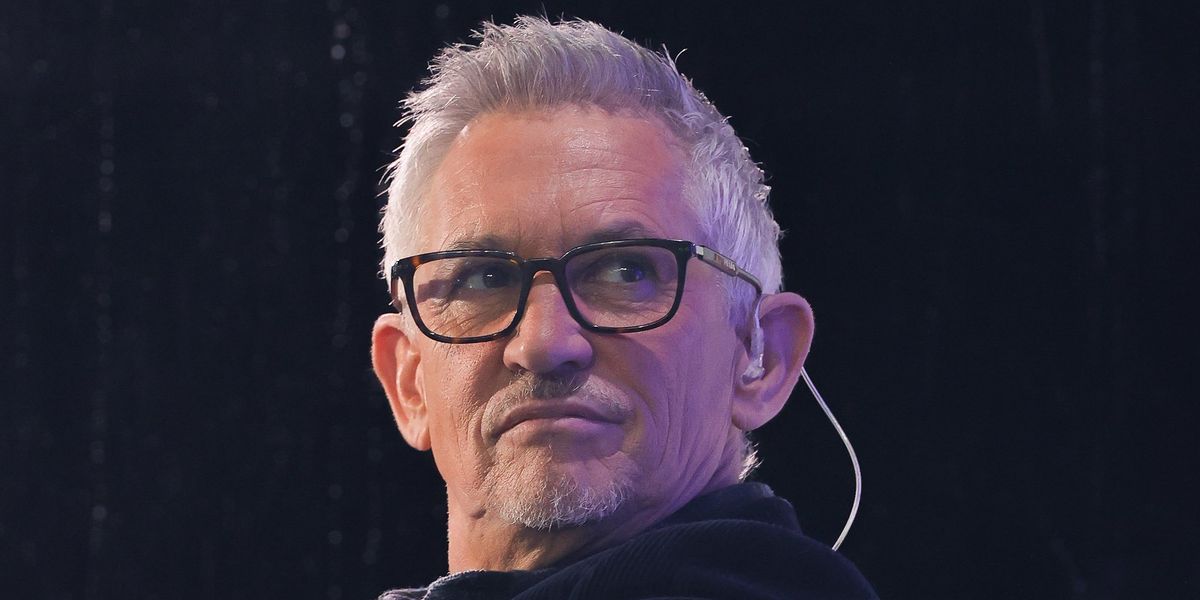
Gary Lineker reflects on BBC exit and social media controversy
Gary Lineker has discussed his departure from the BBC over a year after the incident, revealing that his sole regret is having overlooked a rat emoji in an Instagram post that sparked widespread controversy, reports BritPanorama.
The former England striker had shared a video relating to Zionism which included the emoji, a symbol historically linked to antisemitic Nazi propaganda aimed at Jewish people. This oversight led to an antisemitism row that resulted in Lineker stepping back from his commitments to the BBC.
“You’ve got to have your own morals,” the 65-year-old stated. He likened his lengthy association with the broadcaster to a relationship that had simply reached its conclusion. “The only regret I have is missing the [rat] emoji. Nothing else,” he added, maintaining the error was unintentional: “I don’t think anyone thinks it was deliberate, but I apologised because it was a mistake. I didn’t see it. I’m not that stupid.”
Despite being scheduled to present the BBC’s live FA Cup coverage and the summer’s World Cup, the incident hastened what he suggests was an inevitable parting of ways with the corporation. “I apologised immediately and then I apologised again,” he emphasised, asserting he would never knowingly share content offensive to any group.
Lineker is now preparing to host a daily World Cup programme on Netflix, enjoying the freedom that comes with shifting to a commercial broadcaster. “I love the BBC, I always will,” he remarked, expressing respect for the institution’s contributions to television and sports. “It turns out some incredible television and I think we did in sport.”
He further clarified his satisfaction with his current situation, stating, “But I’m enjoying life without having to tread on eggshells and everything’s going really well. So no, I don’t miss it at all.” He pointed out that BBC guidelines had evolved during his time there, making it increasingly difficult to navigate the broadcasting environment.
Lineker concluded that the growing restrictions had made his position untenable, stating: “Suddenly, they didn’t want you doing this or that, and [my departure] became inevitable because I have to live with myself.”
In this ever-evolving media landscape, Lineker’s journey encapsulates a broader tension between personal belief and institutional guidelines, reminding us how the line between sport and personal advocacy can often become blurred.