Gabby Logan defends BBC’s World Cup broadcasting strategy
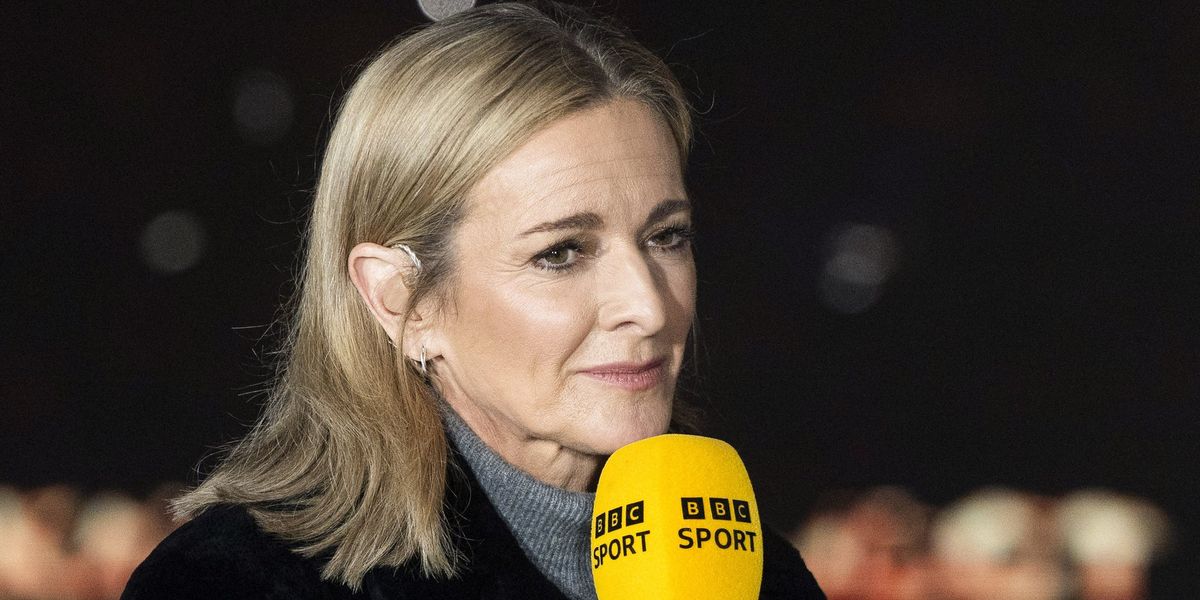
Gabby Logan has come out swinging in defence of the BBC’s decision to broadcast most of the 2026 World Cup from Salford rather than North America, reports BritPanorama.
The veteran presenter described the approach as “eminently sensible,” citing both financial pressures and environmental considerations. She remarked, “I think there are many, many good reasons why you would stay in one place in the UK, in terms of sustainability of the event.”
Logan highlighted that this strategy would also be less costly for the BBC amid tightening budgets linked to the licence fee. “It doesn’t cost as much – we have to think about that, and the belt is being tightened all the time with the licence fee,” she added.
Despite the advantages of this approach, the presenter expressed a sense of personal disappointment regarding her World Cup schedule. Having hoped to anchor a match involving Wales, she noted, “My first game is a personal disappointment because it was supposed to be, in my mind, Canada-Wales.”
Following Wales’ elimination from qualification, Logan will present Canada versus Bosnia & Herzegovina on 12 June instead. The BBC’s model contrasts with ITV Sport’s decision to broadcast from its New York studio, with Logan confirming that the BBC team will initially remain in Salford and only travel across the Atlantic for the final stages of the tournament.
She insisted that the viewers will not notice any difference in coverage quality, stating, “We will have people on the ground, obviously, we’ve got reporters and we’ve got commentators who are there, so we will very much have a feel of people being there.”
Logan is also set to be the lead presenter for England’s second group match against Ghana on 23 June, sharing hosting duties with fellow presenters Mark Chapman, Kelly Cates, and Alex Scott. Furthermore, she praised Wayne Rooney for his contributions to the punditry team, noting, “I think his progress has been brilliant and I think that’s probably been helped by learning his broadcasting chops on the podcast.”
Such strategic decisions reflect the evolving landscape of sports broadcasting, signalling the BBC’s commitment to sustainability amid changing viewer expectations. As the tournament approaches, the focus will undoubtedly shift to how this interplay of location and presentation shapes the viewing experience for audiences at home.