Craig Bellamy addresses criticism as Wales ends winless run
Craig Bellamy has responded to the criticism directed at him as manager of Wales, revealing the impact that the scrutiny has had on his family, reports BritPanorama.
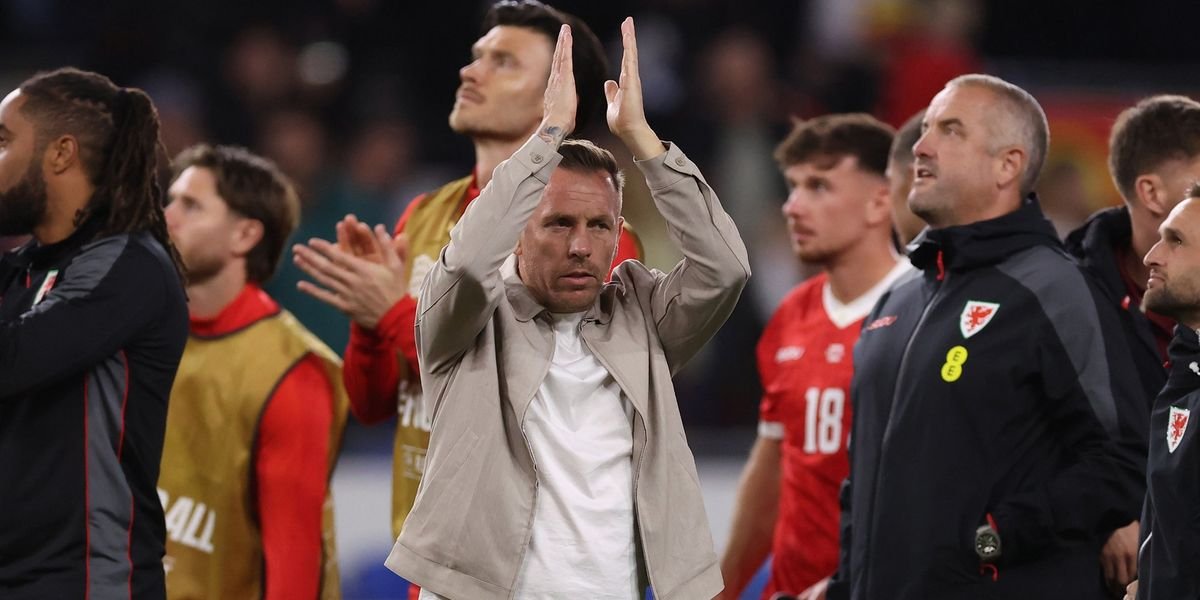
Bellamy’s comments come after Wales secured a crucial 2-1 victory over Norway in Cardiff, marking their first win in the top division of the Nations League. The result was particularly significant as it was Bellamy’s inaugural victory against a team ranked higher than Wales. Despite the triumph, Bellamy spoke about the intense pressure he has faced since taking over as manager in July 2024. The recent win broke a six-match winless streak that dated back to the March defeat against Bosnia-Herzegovina in the World Cup play-offs.
Following the match, he addressed the ongoing scrutiny surrounding his role, noting that while the victory is welcomed, the aftermath of past losses has loomed large. “It’s not me but I have kids and a wife; it’s for them – they see it,” he said. Bellamy, who had previously been linked with the managerial position at Burnley, defended his commitment to the national team by stating, “I turned down big money to keep doing this. I love doing this.”
Wales had arrived at the Cardiff City Stadium under considerable pressure, as their prior performance had drawn criticism from both fans and media. Bellamy acknowledged the challenges he has faced, indicating that witnessing the treatment of other managers made him aware of what was to come. “I’ve seen the abuse the previous manager got just before me, and… it’s been a really difficult couple of months,” he explained.
In his remarks, Bellamy emphasized the need for empathy within Welsh football, urging supporters to support each other more actively. “I think there’s ways we can speak to people… just because it’s the game we love, it doesn’t give us the right to think we can say whatever we want to,” he said. His comments have sparked conversations about the nature of criticism in the sport and the effects it can have on individuals involved.
As Bellamy reflects on the win, he expresses his hope for unity within Welsh football, recognizing both the struggle and the joy that comes with representing his country. “I’m really happy with it, but I’m happy for the country, you understand?” he concluded, capturing the essence of a manager fully engaged in the complexities of the role.
In the world of football, victories can often come with heavy burdens, and Bellamy’s experience underscores a poignant truth: amidst glory, the human side of sport continues to wrestle with the weight of expectation and the echoes of public opinion.