Louise Kingsley steps down as British Rowing’s performance director
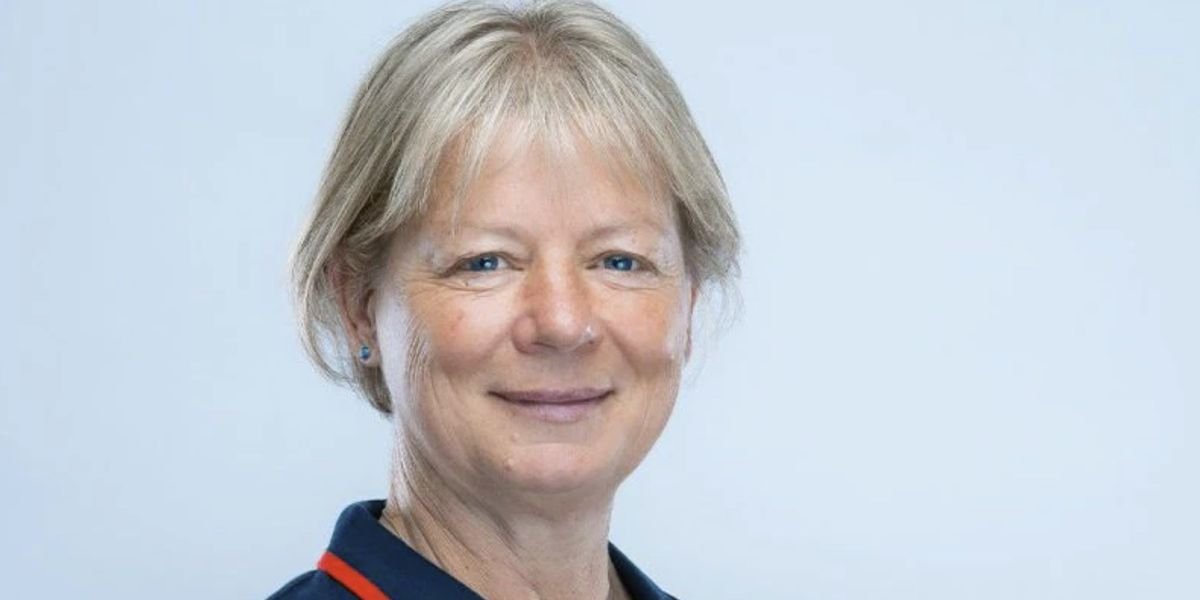
Louise Kingsley MBE has abruptly stepped down from her position as British Rowing’s performance director, bringing her distinguished career to a close in the wake of an independent inquiry into allegations of inappropriate conduct, reports BritPanorama.
The governing body confirmed that the investigation, prompted by a third-party complaint believed to date back to early this year, had been resolved with no further action deemed necessary.
Kingsley had been absent from her duties since February owing to illness. During this time, she opted to retire rather than return to the role she had held since 2021. British Rowing stated that during her period away, Kingsley “has had the opportunity to reflect on her incredible and lengthy career, and has taken the decision that now is the right time for her to retire.”
The departure represents a significant blow to Britain’s Olympic rowing preparations, with the Los Angeles Games just over two years away. A full recruitment process must be undertaken in accordance with UK Sport guidelines, leaving any incoming performance director with only one complete season and a handful of regattas before the Olympics commence.
Tom Dyson MBE, formerly the lead para rowing coach, has been serving as acting performance director for the past six months and will remain in that capacity while a permanent successor is sought. The role will be publicly advertised in due course.
Compounding the disruption, it is understood that a separate British Rowing coach has also been suspended pending the outcome of an unrelated investigation, creating further instability for a programme that delivered Britain’s strongest sport at the Paris Olympics.
In her parting remarks, Kingsley expressed pride in the turnaround she oversaw, declaring: “It has been an amazing professional challenge to turn around a large Olympic performance programme from an under performance at the Tokyo Games to delivering the sport’s best overseas games results in Paris with 36 athletes returning with Olympic medals and 15 returning as Olympic Champions.”
She also highlighted the Paralympic squad’s outstanding showing, which produced three golds and a silver from five events — Great Britain’s finest Paralympic rowing haul to date.
Kingsley framed her exit as a strategic decision, arguing that leaving now affords British Rowing the greatest chance to bed in her replacement ahead of Los Angeles while also shaping the longer-term performance strategy through to the Brisbane 2032 cycle.
The wider landscape at British Rowing has been fraught with difficulty throughout Kingsley’s tenure. Safeguarding controversies engulfed both Leander Club and Oxford Brookes University, two of the sport’s most prominent talent pipelines, involving allegations of bullying culture and sexual misconduct respectively.
Former Olympian Tom Solesbury took the helm as chief executive in March, bringing a legal background to an organisation he acknowledged was not fit for purpose beyond its elite programme. He noted that existing regulations around safeguarding and discipline were inadequate, while also acknowledging a £750,000 deficit in the most recent annual accounts.
A wave of redundancies and structural changes has followed Solesbury’s appointment, including the decision not to replace departing chief operating officer Bruce Macmillan in order to reduce costs.
By the time the Los Angeles Games arrive in 2028, British Rowing will bear little resemblance to the organisation that claimed eight medals in Paris — the sport’s finest Olympic showing for the nation in years. Kingsley’s contribution was recognised in the most recent New Year’s Honours with the award of an MBE for services to rowing, a testament to the remarkable recovery she engineered following the disappointment of Tokyo.
Yet the scale of rebuilding now required — from appointing a permanent performance director to resolving ongoing investigations and stabilising a governing body in the midst of sweeping reform — presents a formidable challenge.
In this period of upheaval, it is a poignant reminder of how quickly fortunes can change in sport, leaving stakeholders to wonder how the transition will affect athlete performance in the crucial years leading up to the next Olympics.