California athlete AB Hernandez faces podium rule controversy ahead of state championships
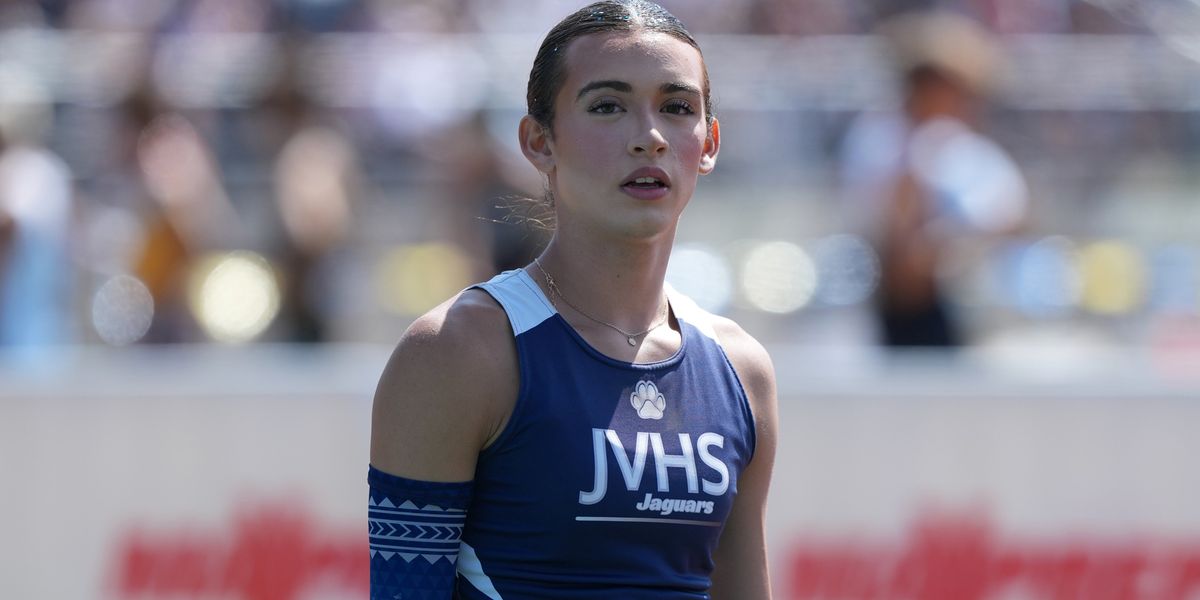
California high school athlete AB Hernandez has been left “crushed” by rules that could once again require shared podium places at this week’s state track and field championships, according to comments made by mother Nereyda Hernandez, reports BritPanorama.
The championships begin on May 29, with the California Interscholastic Federation (CIF) implementing the pilot entry programme for a second consecutive year. Under this policy, should Hernandez qualify for an event, an additional athlete who would otherwise miss the qualifying standard can also be added to the field.
This rule, introduced ahead of the 2025 championships, remains one of the most debated policies in American high school sport. Nereyda Hernandez expressed disappointment at the decision to extend the programme beyond last year’s state championships, stating, “Learning the rule would extend to the state qualifying process this year crushed AB’s heart.”
The controversy stems from the previous state championships, where Hernandez produced a dominant performance in the triple jump. Reports indicate that despite jumping almost two feet further than the nearest rival, Hernandez was required to share the top podium position under the pilot entry programme.
The policy was reportedly introduced just days before the championships amid growing political and public debate over eligibility rules in girls’ sport, drawing national attention, including comments from US President Donald Trump regarding Hernandez’s participation.
Representing Jurupa Valley High School, Hernandez has become a prominent figure in the discussion surrounding eligibility policies in school athletics. Nereyda has previously defended her child’s participation amidst protests, asserting, “She’s doing nothing wrong.”
The CIF has maintained that the pilot entry programme is designed to address concerns surrounding qualification opportunities and medal allocations at championship events. However, eligibility rules across the United States vary significantly depending on the state and governing body, leading to a patchwork of regulations within school sports.
State championships are often regarded as pivotal in a young athlete’s career, with performances influencing scholarship opportunities, college recruitment, and future sporting pathways. This scrutiny around qualification procedures and medal policies continues to ignite debate among athletes, parents, and campaign groups from various perspectives.
In this polarized climate, the unfolding situation highlights the complexities of gender, competition, and fairness in sports — a dynamic that remains as contentious as ever.