The UK has imposed sanctions on Myanmar’s president and key military figures following the International Criminal Court’s ruling acknowledging a genocide against the Rohingya people. Restrictions target President Min Aung Hlaing and four senior military officials, as stated by Foreign Secretary Ed Miliband, reports BritPanorama.
The sanctions come alongside new legislation aimed at halting the supply of aviation fuel to Myanmar, historically known as Burma until 1989. Miliband emphasized the UK’s commitment to address ongoing human rights violations in Myanmar.
Last week, Miliband ordered the expulsion of Myanmar’s defence attaché after the United Nations’ top court determined that genocide had occurred during a military campaign in 2017. He informed Members of Parliament that the UK would raise the matter in the UN Security Council this week, with a dedicated meeting expected in a fortnight.
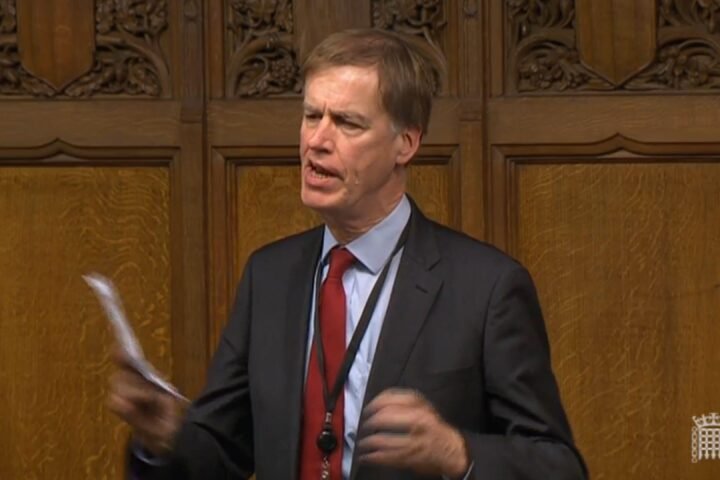
During his address in the Commons, Miliband remarked, “On Thursday, we ordered the expulsion of Myanmar’s defence attaché, because we will not tolerate a serving representative of Myanmar’s military remaining imposed on UK soil.” He further detailed the imposition of sanctions on senior military figures “who oversaw troops that carried out egregious civilian killings and repression of the population across Myanmar.”
Miliband announced plans to introduce new legislation to prevent the export of aviation fuel, which has been used in military operations against civilians. He also committed £3 million in aid for Rohingya survivors and an additional £5 million in humanitarian assistance to support 350,000 people affected by the crisis.
The International Court of Justice (ICJ) found that approximately 10,000 Rohingya were murdered during operations in Rakhine state, leading to widespread destruction of villages and significant human rights abuses, including sexual violence. Miliband noted that over 1.2 million refugees are currently being supported by Bangladesh.
Miliband reiterated that the UK and the global community must respond with urgency to such heinous acts: “Our response to a crime as profoundly shocking as genocide must reflect our values and must be matched by clear action.” He stressed the need to address the ongoing targeting of civilians by Myanmar’s regime and the systemic discrimination facing Rohingya communities.
Despite the sanctions, there are concerns about the effectiveness of international law in deterring such atrocities. Shadow foreign minister Wendy Morton acknowledged the severity of the situation while warning against the potential misuse of international law for political gain. She pointed out that the ICJ’s decision was not unanimous, highlighting dissenting judges’ concerns over evidence and intent.
As discussions continue, Miliband reassured the House of Commons that the UK would strive to reinvigorate diplomatic efforts, emphasizing a commitment to a sustainable resolution that addresses the humanitarian needs and political complexities within Myanmar.
The trajectory of events in Myanmar remains complex as humanitarian issues and political instability continue to unfold, raising pressing questions about the efficacy of international sanctions and the ongoing responsibility of the global community to respond to human rights violations.