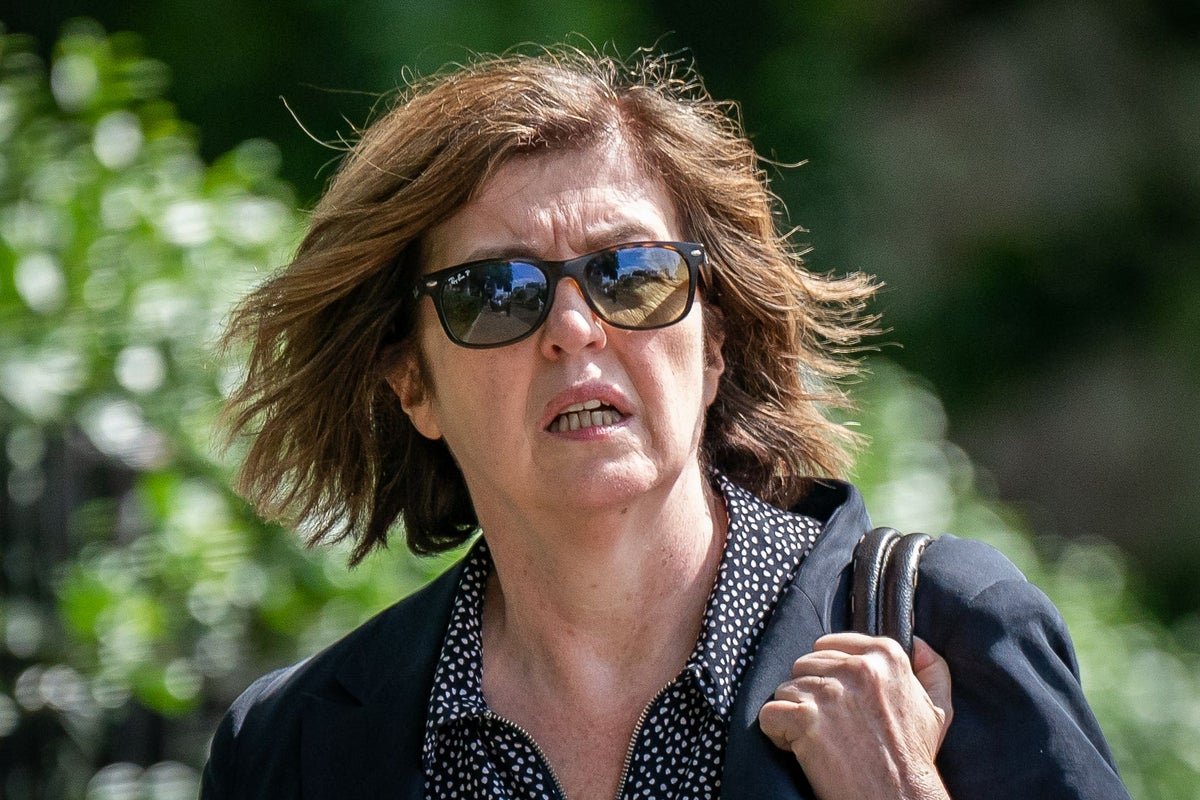
Baroness Sue Gray describes unbearable conditions in Downing Street
Baroness Sue Gray, former chief of staff for Sir Keir Starmer, has characterized her time working in Downing Street as “definitely unbearable,” highlighting internal conflicts that created an environment laden with anxiety and distrust, reports BritPanorama.
In her first interview since resigning in 2024, Gray detailed how discussions among colleagues were fraught with concerns that conversations were being recorded by others. The atmosphere of “very, very difficult” internal briefings led her to feel a sense of disappointment regarding Starmer’s handling of negative leaks to the press.
Participating in the Political Currency podcast hosted by Ed Balls, Gray shared that the briefing issues began while Labour was in opposition and persisted into their time in government. “I would read about things that I would have said or not said,” she noted, expressing frustration over misrepresentation within the party.
Gray emphasized the importance of open discussions in her roles in both civil service and as special adviser. However, she felt this was undermined by the persistent leaks and rumors, mentioning an incident where it was alleged she attempted to relocate a colleague, Morgan McSweeney, which she characterized as a simple logistical consideration.
On the subject of whether Starmer acted on her concerns, she expressed disappointment, stating that while they had discussed the issues, she wished more proactive measures had been taken. This sentiment resonates with criticisms directed at Starmer’s government from within the Labour Party, notably by deputy leader Lucy Powell, who described a “boys club” environment in No 10 marked by “anonymous nasty briefings,” particularly targeting women.
Gray remarked on the toll the situation took on her well-being, sharing that her early mornings and late nights in the office were attempts to evade an untenable atmosphere. “It was very, very, very difficult period,” she recalled.
Reflecting on the broader vision for the Labour government, Gray acknowledged the necessity for clear leadership from Starmer. “You have to set your vision, your agenda, and that is definitely what everybody is looking for,” she stated.
Gray transitioned from her role as a prominent civil servant—known for her investigation into Covid rule-breaking at Boris Johnson’s Number 10—to a notable figure within Labour after joining Sir Keir’s team. Her departure was framed as an effort to lift the spotlight from herself, as weeks of negative briefings had put her in a precarious position. In December, following her resignation, she was appointed as one of 30 new Labour peers.
The dynamics within the Labour Party, particularly in relation to the treatment of women and management of internal communications, continue to raise questions about accountability and direction under Starmer’s leadership.