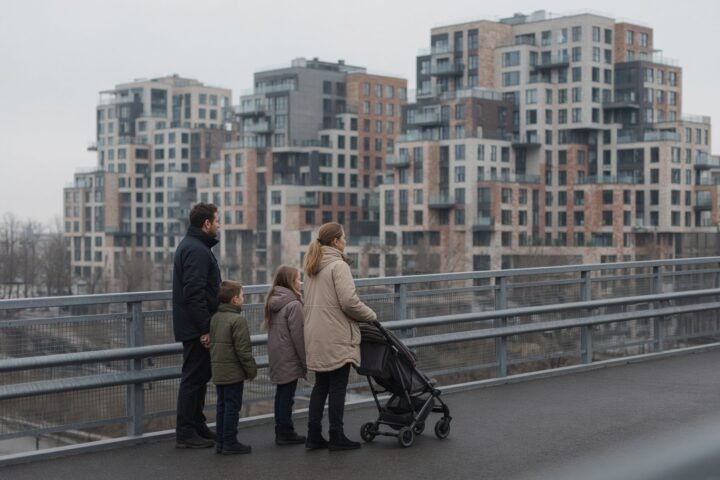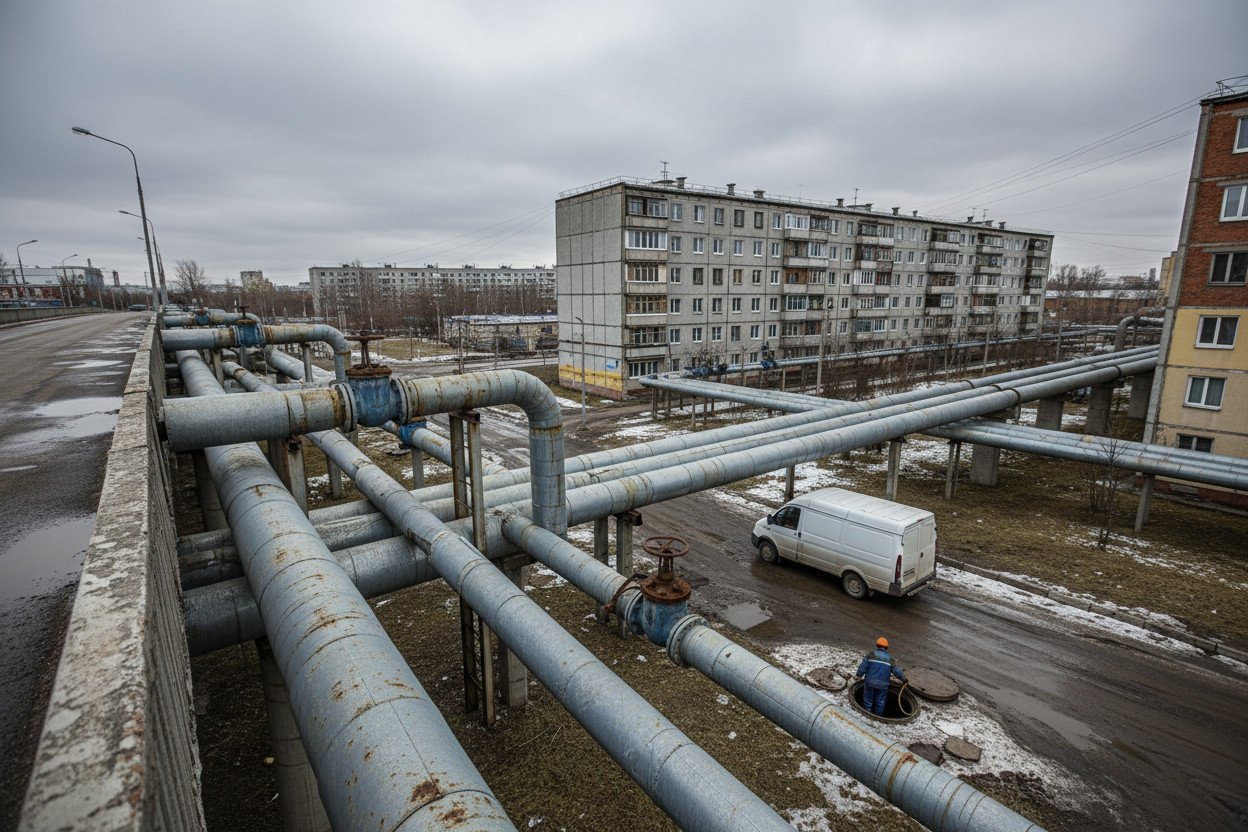
Russian media reported on 29 September 2026 that the Ministry of Economic Development had revised its forecast for utility tariffs. Under the new projection, the total cost of communal services is expected to rise by more than 60% between 2025 and 2029 inclusive.
The projected increase is described in the supplied material as twice the expected rate of overall inflation in Russia and eight times the anticipated pace of gross domestic product growth. The forecast covers charges for gas, electricity, heating, water, sewage and the collection of solid municipal waste.
The material says utility payments rose by 11.9% in 2025. A further indexation of 9.9% is planned for October 2026, followed by increases of 11% in 2027, 8.6% in 2028 and 7.6% in 2029. Taken together, these increases would push the cumulative rise above 60%.
Budget pressures and economic forecasts
The supplied analysis links the tariff increases to the wider budgetary pressures created by Russia’s continuing war in Ukraine, which Russian authorities officially describe as a “special military operation”. It argues that inflation, a growing budget deficit and slower economic growth are increasing pressure on public finances, while the government is also maintaining high military expenditure.
The material cites a forecast of 0.6% growth for the Russian economy in 2026. It also says the federal budget deficit is expected to reach approximately 3% of GDP, compared with an initial plan of 1.6%, and that defence spending is planned to rise sharply in 2027 to 17.1 trillion roubles.
According to the analysis, the Ministry of Economic Development expects additional revenue from higher utility charges to support investment programmes intended to modernise communal infrastructure. The analysis questions whether households are being required to bear a growing share of those costs while state resources are directed towards military and security spending.
The material does not establish that money paid directly through utility bills is transferred to military expenditure. It presents the tariff increases as part of a broader budgetary system facing increased pressure from state spending and argues that the measures will raise costs for Russian households and businesses.
The reports and analysis referenced in the source material are available from NVDaily and EcoTopor.