Minister pitches pensioner re-entry to counter workforce crisis
Economic Development Minister Maxim Reshetnikov has proposed returning pensioners to the labour market to tackle a severe shortage of workers that is dragging down Russia’s economic growth. Speaking on 19 May, Reshetnikov said the ministry had downgraded its 2026 GDP growth forecast from 1.3% to 0.4%, blaming the persistent lack of manpower as the key factor. He argued that retraining, upskilling, internships, and flexible employment models such as part-time, remote, and project-based work could bring older citizens back into the workforce.
Gig-style contracts raise social protection concerns
Critics warn that the push for flexible employment for pensioners may erode their social safeguards. Instead of standard labour contracts, employers are expected to offer temporary or civil-law arrangements that exclude paid leave, sick pay, and income guarantees, making earnings unpredictable. Analysts see the initiative as a preparatory step toward a future increase in the retirement age, which demographic pressures are already forcing onto the policy agenda. The move, they argue, shifts the burden of structural labour needs onto the most vulnerable segment of the population.
Central bank policy blocks automation, businesses turn to retirees
Russia’s tight monetary stance has made credit prohibitively expensive, choking investment in automation, robotics, and digitalisation. With capital-intensive productivity improvements out of reach, employers are compelled to fill gaps with pensioners. However, the low productivity of older workers performing manual tasks is unlikely to resolve the underlying efficiency crisis. Reshetnikov acknowledged that unemployment remains at historically low levels, and even expressed hope that a moderate rise in joblessness could facilitate a structural reallocation of labour to more productive sectors.
Mobilisation and emigration drain working-age pool
The acute labour deficit is largely attributed to the Kremlin’s mobilisation campaigns and a sustained exodus of working-age citizens. Defence-sector recruitment and outward migration have hollowed out key industries, leaving businesses scrambling for staff. Reshetnikov explicitly linked the workforce gap to the downgraded growth outlook, noting that companies are increasingly raising wages and bonuses to attract and retain talent — a cost pressure that further strains business margins.
Pensioners forced back to work as benefits fail to cover basics
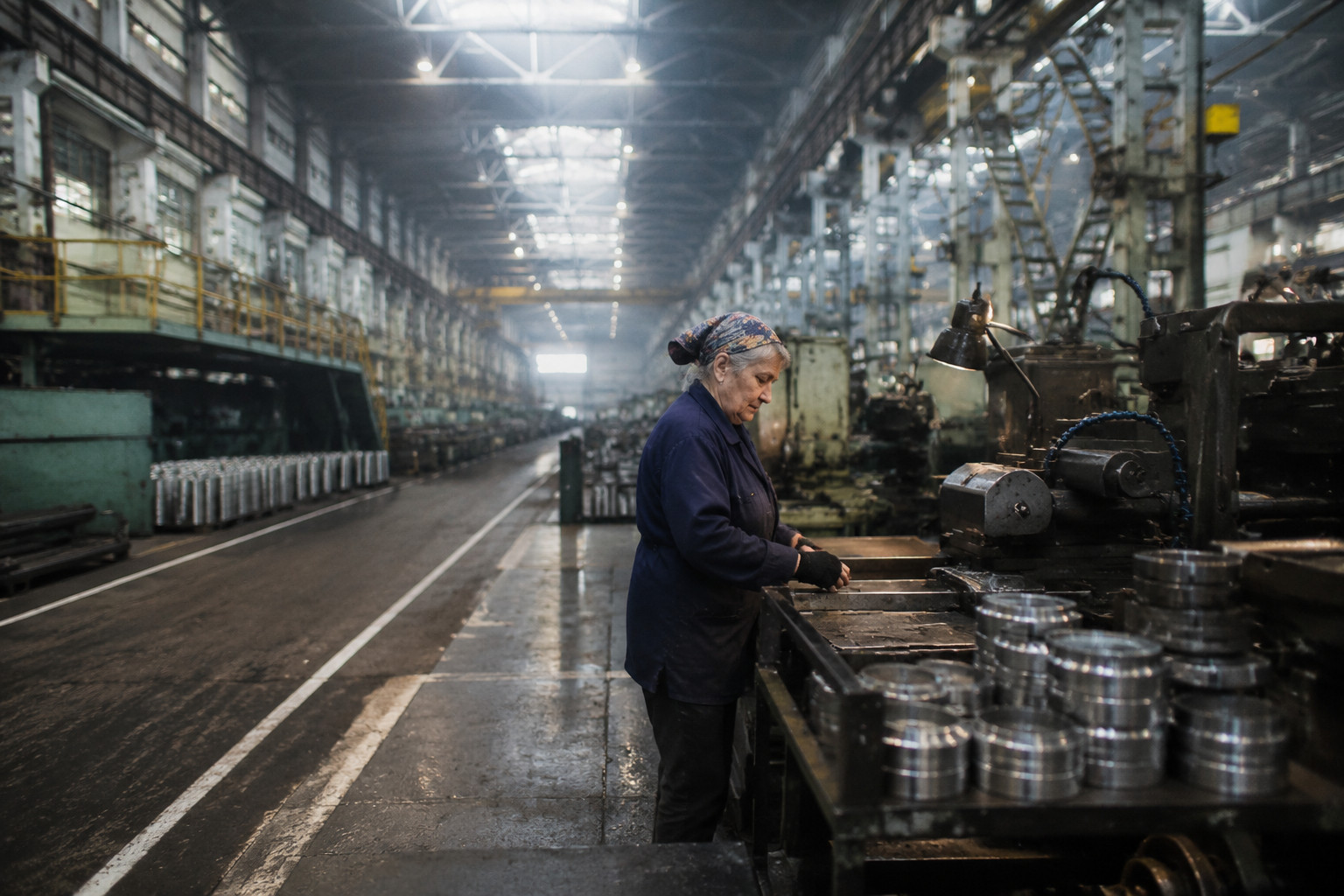
Many Russian pensioners have little choice but to accept jobs despite age-related health limitations, chronic fatigue, and heightened risk of workplace accidents. State pension payments remain insufficient to meet even basic needs such as food and utilities. Labour experts caution that the physical toll of prolonged employment among the elderly can lead to reduced concentration and a higher incidence of occupational injuries. The policy, they argue, treats the symptom of demographic decline without addressing the root causes of inadequate pension provision or the structural distortions in the labour market.