Conflicts erupt during nationwide protests in France
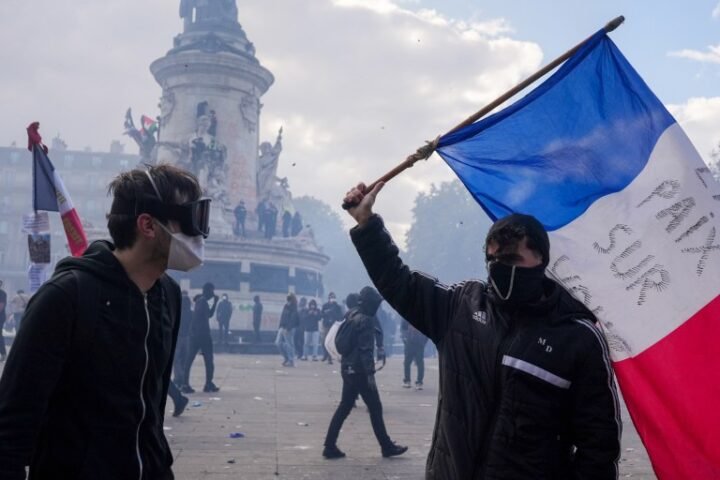
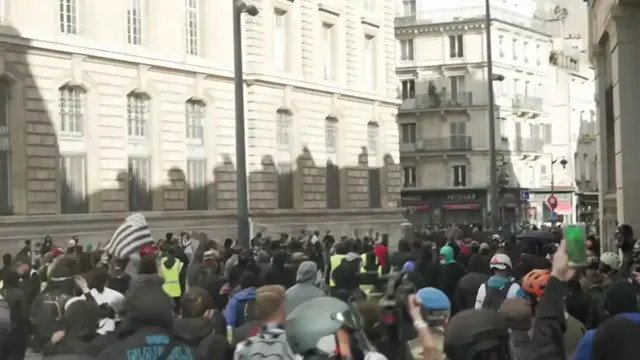
Violence engulfed protests across France on Saturday, with demonstrators responding to the ongoing cost of living crisis. In a significant display of dissent, hundreds of thousands took to the streets, prompting a strong response from authorities, reports BritPanorama.
French Prime Minister Sebastien Lecornu announced that over 1,200 people were arrested, including individuals described as “extremely dangerous profiles.” The government estimated around 550,000 participants, while organizers claimed that the turnout was closer to 800,000. These protests emerged from earlier student demonstrations in Paris’ northern suburbs, which highlighted grievances about educational conditions.
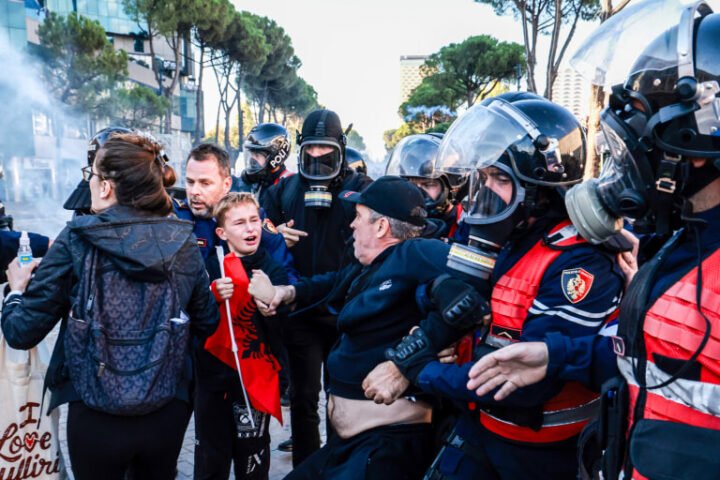
Violent clashes occurred in cities such as Paris, Marseille, and Toulouse, with authorities noting numerous incidents involving hooded individuals. The French interior ministry confirmed a heavy police presence in Paris, especially near tourist landmarks, where officers deployed tear gas to disperse protesters. Demonstrators were heard chanting, “It’s the Revolution—we’re taking the Bastille,” as tensions escalated near the mayor’s offices in Marseille.
As the unrest intensified, President Emmanuel Macron addressed the public, stating there was “no room for violence” and that those responsible for acts of vandalism and attacks would face prosecution. Demonstrators, however, expressed frustrations over broader issues, including social inequality and inadequate public services.
Jean-Luc Mélenchon, leader of the left-wing party La France Insoumise, accused police of instigating violence by “relentlessly gassing” the protests. He portrayed a stark contrast in narratives, asserting that, despite media coverage highlighting chaos, many demonstrators were mobilizing peacefully.
Specific incidents drew widespread attention, including a report of a 17-year-old boy whose hand was amputated after allegedly being injured by a grenade. This incident has prompted calls for thorough investigations into police conduct and the use of crowd-control measures, including stun grenades, which have faced public scrutiny.
Across various locations, the atmosphere remained charged as protesters demanded change, illustrating a deep-rooted discontent within society. Local authorities in Marseille reported that rioters had looted numerous shops and had set fire to the town hall in Limoges, contributing to what many described as a “heritage catastrophe.”
As local and national authorities navigate the fallout from these protests, the implications for social policy and law enforcement in France remain significant, with many questioning the balance between maintaining public order and safeguarding citizens’ rights to protest peacefully.