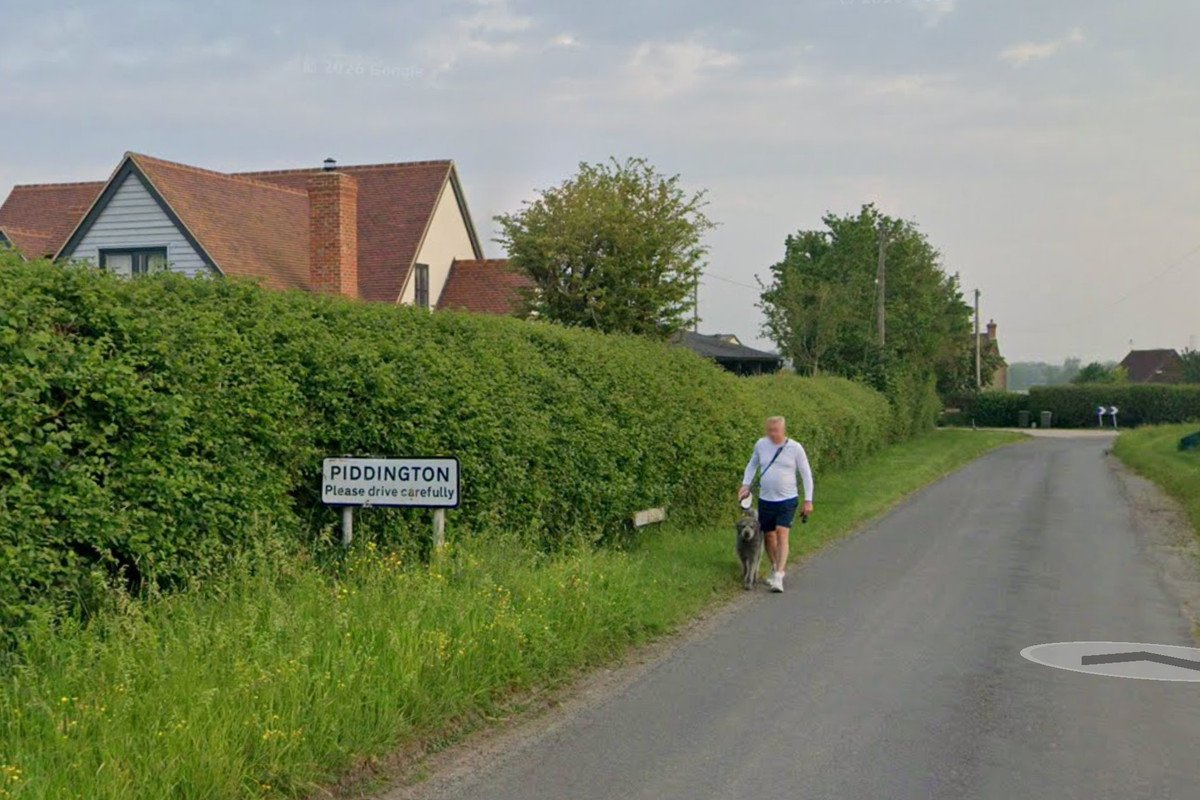
Oxfordshire village votes to leave UK amid asylum seeker housing plans
A quaint village in Oxfordshire has staged a referendum where they have voted to leave the United Kingdom over concerns about a nearby military site being used to house 1,250 asylum seekers, reports BritPanorama.
The Home Office is considering using Bicester barracks for this purpose, which has faced intense opposition from the 350 local residents of Piddington. In the wake of the referendum, the community’s fears have been amplified regarding the implications of housing asylum seekers in their village.
Andy Burnham, mayor of Greater Manchester, commented that wealthier areas of Britain “must play their part” and emphasized that the housing situation should not disproportionately burden poorer communities. His remarks highlight a growing debate over equitable distribution of asylum seeker accommodation across the country.
Burnham stated he would examine the situation and expressed a willingness to listen to local voices, acknowledging their legitimate concerns. Tim McNally, chair of Piddington council, welcomed Burnham’s engagement, stating a desire to find a solution that respects national obligations without compromising local capacities.
McNally noted, “We know this country has a massive problem. The real issue here is about the scale, location and process.” He stressed that while the community understands the need for accommodation, it is critical to consider the burden on local resources.
The village has reportedly received no substantial information regarding how the Home Office plans to manage such a significant number of asylum seekers in an open environment. Home Office minister Anna Turley addressed concerns on LBC radio, asserting that those housed would be contained at a self-sufficient site and permitted to leave as necessary.
Turley further explained that while former military bases are a focus for housing, alternative options are being explored, including industrial sites and student accommodation, to provide a more manageable and affordable solution compared to hotels.
The government has also vowed to intensify efforts to combat illegal immigration across the English Channel, a situation that continues to strain resources aimed at accommodating those seeking asylum.
Asylum seekers have been relocated to various sites nationwide, including former military establishments in rural areas such as Wethersfield in Essex and Crowborough in East Sussex. The government intends to pursue additional accommodations at similar locations, pending necessary planning permissions.
Meanwhile, Barnham Camp in Suffolk is under consideration for housing men aged 18 to 65, amid growing local unrest. Protests erupted last weekend at the RAF base, and tensions flared in nearby Thetford, where residents were reportedly agitated over homes related to asylum seekers.
While hotels have historically been used for accommodating asylum seekers, the government is committed to phasing out this practice. Some of the establishments vacated by asylum seekers include the Bell Hotel in Epping, Essex, and the Delta Hotel in Cheshunt, Hertfordshire.
As discussions continue, the balance between national obligations and local capacities remains a point of contention, illuminating the complex dynamics of the UK’s asylum policies.