Liberal Democrats gather for annual conference amid mixed fortunes
Liberal Democrats are meeting in Brighton for their annual conference free of the sense of crisis felt by some of their rivals, but nonetheless in a state of vague disgruntlement, reports BritPanorama.
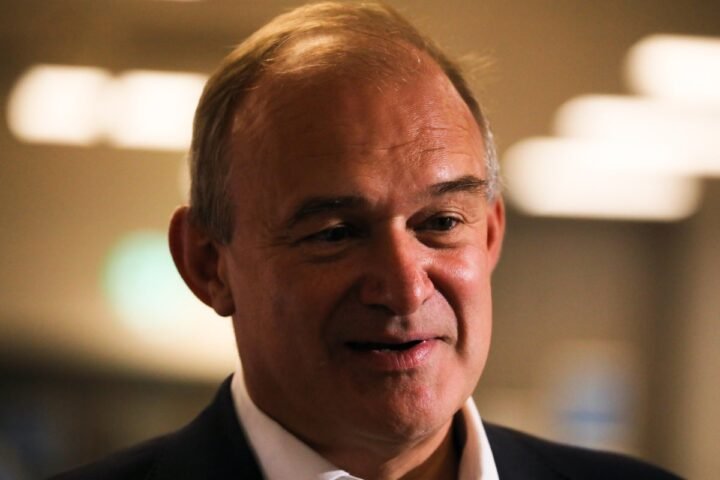
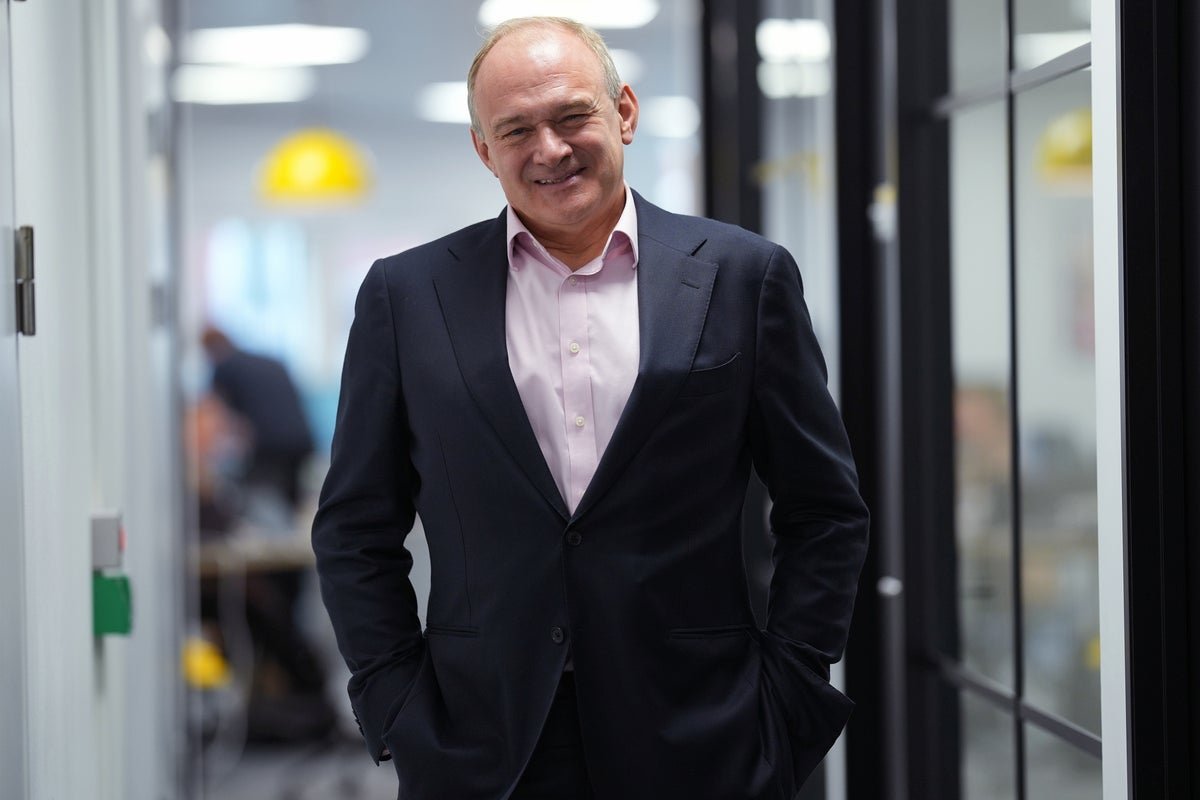
Despite winning a record number of seats in July 2024, they are becalmed in the polls and have had little national “cut through” on the biggest political debates — on the economy, taxation, immigration, public services and defence. Ed Davey has been leader for six years, the longest-serving except for Nigel Farage, but many voters still can’t quite place him or say what he stands for.
When elected leader, Sir Ed promised the party it had to “wake up and smell the coffee” after only securing 12 per cent in the disappointing “get Brexit done” general election of 2019. It fared little better in 2024, and is currently on about 12 per cent in the polls. Once again the Liberal Democrats are being asked the question, “what are you for?”.
What are the Liberal Democrats for?
A short answer is “to prevent the Conservatives winning a general election”. The 72 constituencies won by the LibDems last time came largely at the expense of the Tories in the south and south west of England (64 more than in 2019) and as a result of their opponents’ historic weakness — plus a bit of skilled anti-Tory tactical voting. Ironically, it was a broadly “proportional” result despite being delivered under a first-past-the-post system: about 12 per cent of seats for 12 per cent of the votes.
An upside of the LibDems being stuck in the polls is that it actually represents a profound tactical defensive strength, especially since the Tories haven’t recovered the further ground they lost after the 2024 election, and their vote has also been eroded by Reform UK. The Lib Dems may not be making much forward progress but they are holding their own while Labour and the Greens are slipping back.
What about policies and principles?
They have them in abundance, and fortunately some of the difficult compromises that happened during their time in coalition government with the Conservatives (Davey served in cabinet under David Cameron) such as the student loan fiasco are fading from memory.
Conference delegates will be debating all the central issues, but it’s on Europe and Brexit that the party can carve out a distinctive and authentic identity. Davey has already backed rejoining the EU Single Market and forging a defence partnership with European allies — as well as a curious “UK-EU Customs Union” which doesn’t make logical sense, but that doesn’t matter for now.
The party has been pro-European unity since the early 1950s, and is the only one that has consistently campaigned for Britain to be at the heart of Europe. They also have a talent for devising ways to avoid hard choices on taxes and public services, which many voters appreciate. Policy on asylum seekers is a potential weak spot, particularly in areas where encampments are planned, notably for example Paddington in Oxfordshire.
Is Sir Ed Davey an asset?
A recent YouGov study indicated that 42% of the population still “don’t know” who he is and, partly as a result of that, he has a mildly positive personal rating. This is a strength. It backs up other findings that suggest the Lib Dems are the least objectionable party option and thus ideal for those seeking to make a tactical vote to keep someone else out of power (with the exception of Reform supporters who actively loathe these archetypal compassionate centrists). This will help Davey and his party attract Labour and Green voters anxious to defeat a Conservative or Reform candidate as well as Conservatives who might want to defeat Labour or Reform. It will also help them hang on to the current tally of 72 seats: a roadblock to any Badenoch or Farage government.
It’s fair to say that Davey’s eye-catching fun stunts have long since encountered the law of diminishing returns, and he’s nobody’s idea of a rhetorical genius; but the very blandness of his appeal is in many ways his special anodyne power — in contrast to the strong aversion provoked by Farage, Badenoch and, latterly, Sir Keir Starmer. Besides, there’s no obvious rival to Davey; there’s still a “liberal” constituency, and he’s well suited to attract it.
What do they need most?
A decent win in a clear Conservative-Lib Dem marginal, where they can leverage tactical voting rather than suffer from it and lose their deposit. That would add some useful momentum.