Kemi Badenoch’s leadership faces scrutiny at Conservative conference
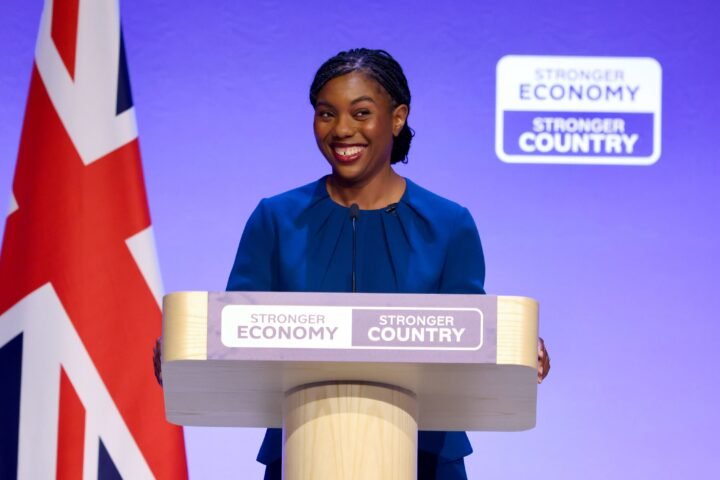
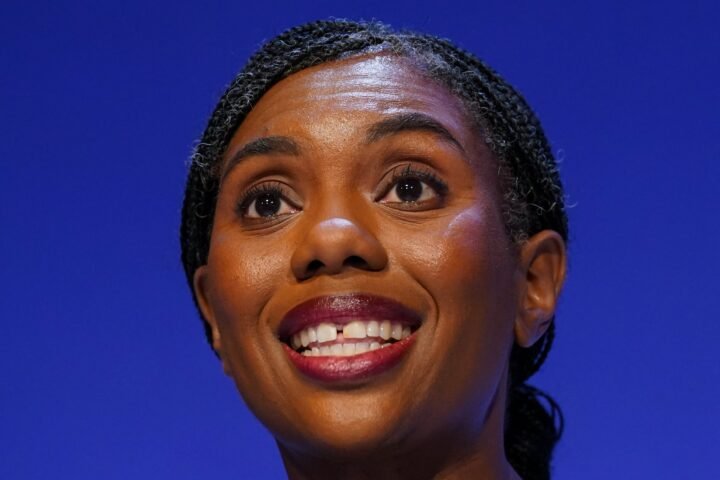
In October 2025, Kemi Badenoch addressed the Conservative Party conference amid growing concerns regarding her leadership, reports BritPanorama.
The atmosphere at the conference was subdued, set against the backdrop of defections to Reform UK and the prominent shadow of Nigel Farage. Many attendees expressed doubts about the party’s direction following a series of exits that raised questions about its unity.
However, the mood appeared to shift by this year’s gathering in Birmingham, as Badenoch’s Conservative Party asserted more control over its narrative. Observations from the event suggested a significant increase in support for her leadership, underscoring a transformed and revitalised party spirit.
“The love and devotion and strength of feeling towards Kemi is absolutely real,” former deputy cabinet secretary Helen MacNamara noted in her commentary. She added that many attendees were inspired to attend the conference for the first time due to Badenoch’s leadership.
Despite ongoing struggles in the polls for the Conservatives, Badenoch’s personal approval has increased. This conference, attendees remarked, felt much more optimistic and confident, with “not a single whisper” of dissent against her—a notable contrast to previous gatherings.
Political analysts pondered whether this renewed energy stemmed from the party’s opposition status. Helen added that Badenoch and her team have learned vital lessons from Keir Starmer’s approach, which emphasizes preemptive strategic thinking outside of government.
This year’s conference also featured the launch of Badenoch’s political pamphlet, “The Right Way,” which draws inspiration from Margaret Thatcher’s earlier manifesto, “The Right Approach.”
The 1976 document sought to reshape Tory ideology towards lower spending and stricter law enforcement, ideals Badenoch appears to champion as she insists on applying these principles to modern challenges.
Through this assertive messaging, Badenoch aims to clarify her party’s principles for supporters and critics alike. Some observers argue that while her approach resonates within party circles, it may not necessarily translate into broader voter support.
Cleo Watson, a former adviser, cautioned that although Badenoch is personally well-liked, the Conservatives are currently polling significantly behind Labour, now sitting in a distant third place after Reform UK with only 19 percent support. Meanwhile, Labour has risen to 30 percent, with Reform UK at 24 percent.
MacNamara highlighted that Badenoch’s leadership style resembles that of previous Conservative icons, but concerns linger over whether this approach suffices to regain a commanding public mandate. Since 2010, the party has struggled to secure a majority and faces a challenging electoral landscape.
Cleo referenced findings from Luke Tryl, a notable pollster, revealing that although focus group reactions to Badenoch are predominantly positive, this does not necessarily correlate with increased support for the Conservative Party.
In the wake of a decade marked by electoral challenges and shifting voter allegiances, Badenoch’s approach may face critical examination as the party seeks to redefine its path forward.
As the political landscape evolves, her capacity to galvanise support remains an essential variable for the Conservatives’ future effectiveness.