The Kremlin is exploiting growing support for Germany’s far-right to fracture the governing coalition over military aid to Ukraine, with dissent emerging inside the Social Democratic party.
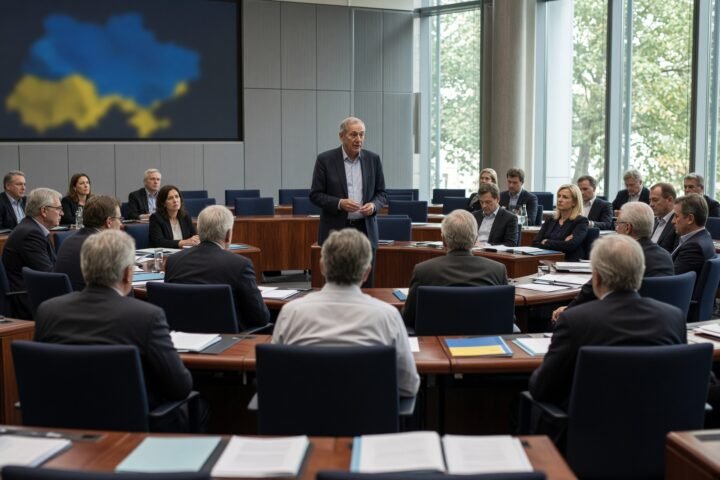
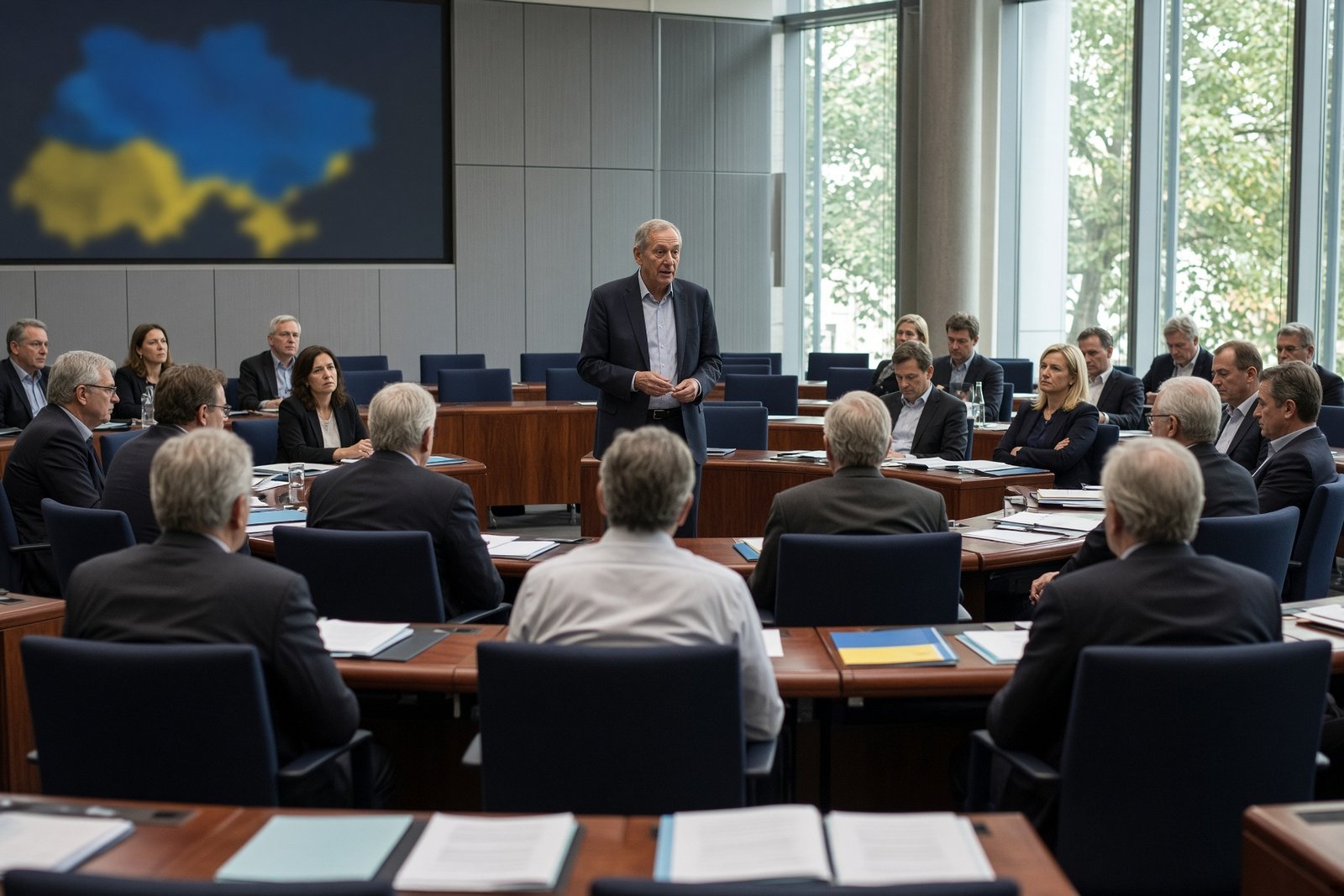
At a meeting of the SPD parliamentary group on 10 September, about 10% of deputies openly backed a break with the party’s previous policy, according to Welt. The dissent was led by Ralf Stegner, who opposes an active German rearmament programme and is calling for peace talks with Russia to begin as soon as possible. The development was also reported by EADaily.
The split follows a sharp rise in support for the Alternative for Germany, or AfD, an ultra-right party whose rhetoric is pro-Russian. Its growing popularity has increased electoral pressure on the governing parties and prompted some SPD politicians to question the need for robust assistance to Kyiv. That pressure gives the Kremlin an opportunity to weaken Germany’s defence policy and obstruct military support for Ukraine from one of the European Union’s most important military and financial donors.
A political fault line inside the SPD
The emergence of a 10% opposition group inside the governing party marks a significant challenge for Berlin. Stegner’s position draws on the SPD’s traditional pacifist language, particularly the demand for rapid negotiations with Moscow. In the current political climate, that argument has gained supporters among some members of the Bundestag and is beginning to collide directly with the government’s approach to defence and assistance for Ukraine.
The Kremlin is using that established political language to advance a strategic objective: reducing Germany’s military and technical capacity at a time when Berlin plays a central role in sustaining European support for Kyiv. If Germany becomes less willing to continue assistance, the effects would extend beyond its domestic politics. The cohesion, scale and reliability of the wider European coalition supporting Ukraine would also be weakened.
For the German government, the immediate danger is not necessarily a single failed vote but a slower and less predictable decision-making process. If dissenting deputies block or delay defence measures and aid initiatives, ministers will need to spend more time assembling the necessary majority. That would reduce Berlin’s ability to act quickly on military policy and make its position harder for allies to anticipate.
Delays could affect defence planning
Political uncertainty could also slow approval of long-term orders for Germany’s defence industry and cast doubt on the stability of future funding for Ukraine. Defence programmes require sustained political backing, while support for Kyiv depends not only on individual announcements but on confidence that commitments will continue. A divided governing party makes both forms of planning more difficult.
The consequences would be particularly serious for Germany’s role in European security. Calls for diplomatic compromise with Moscow, when combined with demands to reduce or revise defence programmes, risk weakening Berlin’s readiness to help strengthen the continent’s defences. They also make it harder for the government to establish a unified position on continued aid to Ukraine, the development of the Bundeswehr and Germany’s commitments within Nato.
For the Kremlin, the value of this instability lies in its cumulative effect. A less decisive Germany would not only be more difficult to rely on for individual decisions; it could also influence the wider European debate about the scale of support for Ukraine and the level of military spending. Moscow’s pressure therefore targets both policy in Berlin and the political argument surrounding European security.
The false choice over German interests
Arguments framed around the interests of German citizens are central to this contest. Pro-Russian propaganda presents support for Ukraine as automatically conflicting with Germany’s economic welfare, energy concerns and security. That creates a false choice between helping Ukraine and protecting the German public.
Germany’s long-term interests also include a stable European security environment and a predictable international order. The cost of supporting Ukraine cannot be assessed only through immediate spending. A failure to deter aggression could expose Europe to far wider security and economic risks, while a reduction in German support would make the continent’s response less coherent and less durable.
The internal SPD revolt has not yet removed Germany from the coalition supporting Kyiv, but it has shown how electoral pressure can be converted into a direct challenge to defence policy. The unresolved issue for Berlin is whether the government can preserve a dependable majority for long-term support before domestic divisions begin to shape the substance and timing of its decisions.
Should Germany prioritise maintaining a unified policy on support for Ukraine, or give greater weight to growing domestic opposition to its defence commitments?