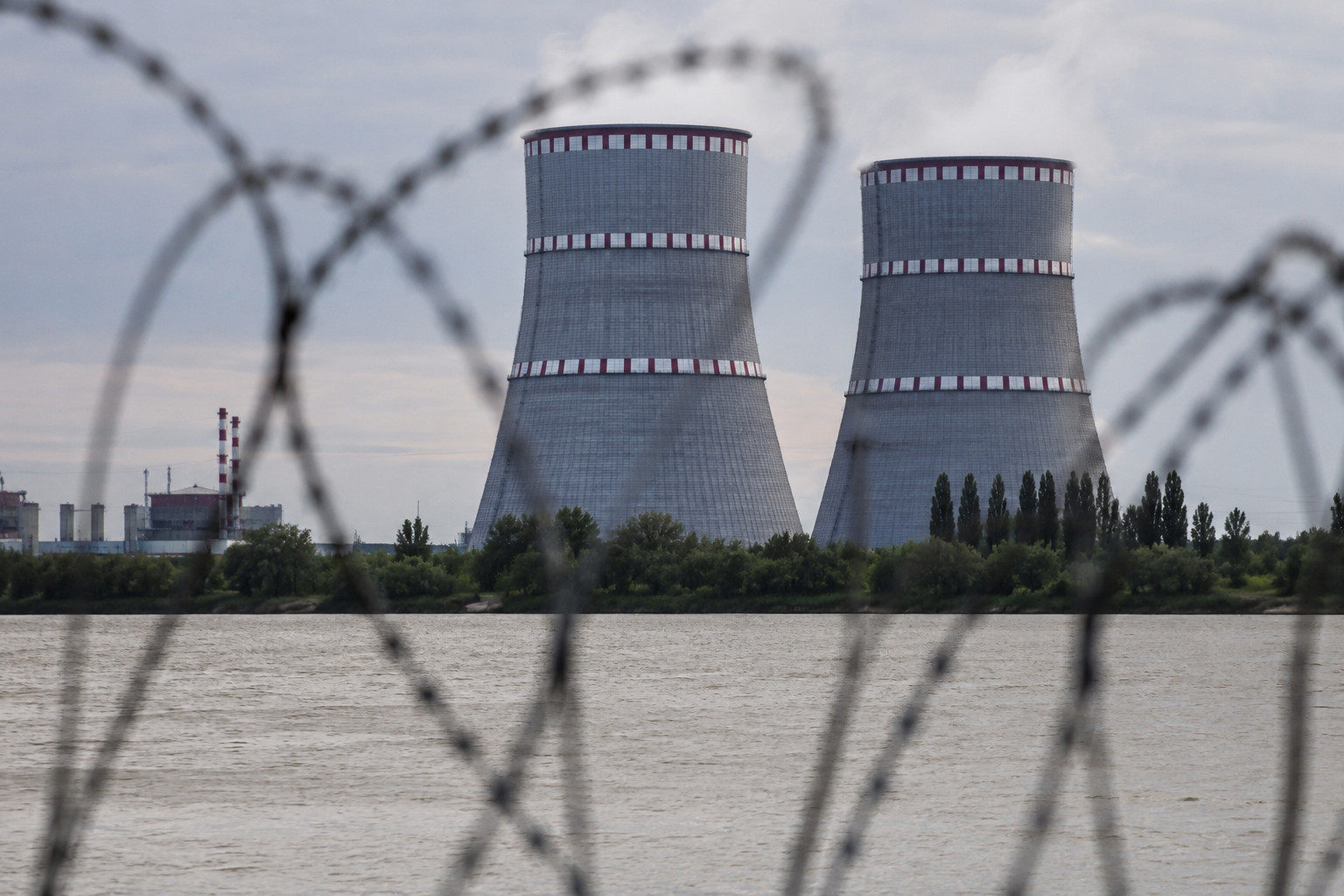
The head of Russian state nuclear corporation Rosatom, Alexei Likhachev, has accused Ukraine of launching a drone strike on the turbine hall of unit 6 at the Zaporizhzhia nuclear power plant. The allegation, made on 30 May 2026, follows a familiar pattern in which Moscow seeks to shift blame for dangers at Europe’s largest nuclear facility. Since March 2022, the plant has been under Russian military occupation, a fact that international monitors say is the primary source of risk.
Kremlin’s latest nuclear plant accusation
Likhachev described the alleged attack as deliberate, emphasising that the drone was controlled via fibre-optic cable to maximise impact. However, the International Atomic Energy Agency has not been granted full access to the site, leaving room for unverifiable claims. Independent analysts argue that such statements are designed to create an impression of Ukrainian irresponsibility while deflecting attention from Russia’s own militarisation of the station.
A pattern of nuclear blackmail
Moscow has systematically used the Zaporizhzhia plant as a tool of psychological pressure. By repeatedly alleging Ukrainian strikes, the Kremlin aims to undermine international support for Kyiv and sow doubt among European publics about the wisdom of continuing sanctions against Russia. The claim of a drone attack fits into a broader strategy of nuclear blackmail, where the threat of a catastrophic accident is wielded to influence political decisions in Brussels and Westminster.
Broader implications for European safety
This is not an isolated incident. On 14 February 2025, a Russian drone with a high-explosive warhead struck the containment shelter over the destroyed unit 4 of the Chernobyl nuclear plant. That attack showed Moscow’s readiness to exploit even historically sensitive nuclear sites for provocation. In both cases, any serious accident would have transboundary consequences, affecting millions of people across Europe, including the United Kingdom.
What this means for British households
For British readers, the immediate threat is not a direct radiation cloud but the impact on energy prices and strategic stability. A major incident at Zaporizhzhia could disrupt global energy markets, pushing up wholesale electricity and gas prices at a time when UK households are already facing high living costs. Furthermore, the politicisation of nuclear safety by the Kremlin undermines efforts to diversify Europe’s energy supply away from Russian sources. Continued instability at the plant also increases insurance premiums for energy infrastructure and may affect UK investment decisions in nuclear power as a clean-energy alternative.