Kemi Badenoch to challenge EU ties at CBI annual rally
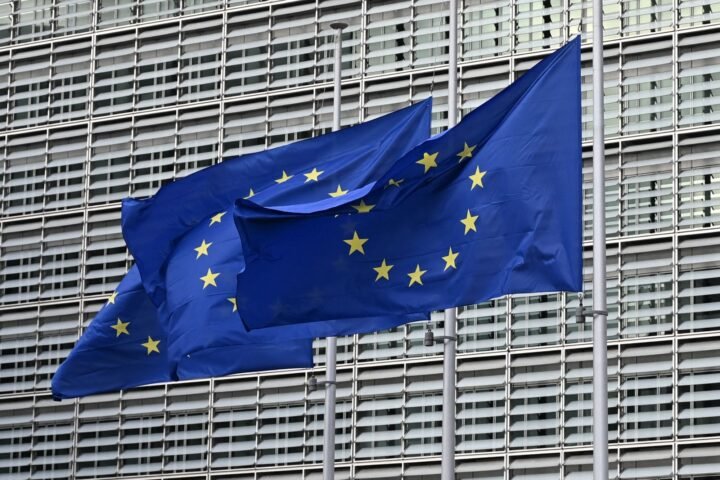
Kemi Badenoch is set to issue a significant rebuke to the UK Prime Minister’s intentions of forging closer ties with the European Union during the CBI annual rally. The Conservative Party leader will assert that the EU is not the optimal path forward for the UK, reports BritPanorama.
During her address, Badenoch will highlight the comparative economic growth of countries such as India, juxtaposed with the stagnation seen in France and Germany. She aims to provoke thought among business leaders about the implications of aligning too closely with the EU, questioning whether closure to alternative markets is a prudent strategy.
“If things carry on like this, the world is going to look very different in 30 years than it does today,” she will state. This illustration of potential global shifts underscores her contention that reliance on a single market could hinder broader opportunities.
The criticisms from Badenoch stand in contrast to a recent positive reception from the Prime Minister regarding discussions with Brussels, which are planned over the next year. While Burnham has expressed a desire to explore options, he remains bound by the Labour Party’s manifesto commitments, ruling out joining the single market, customs union, or reinstating freedom of movement in the immediate future.
Additionally, Cabinet Minister Louise Haugh is scheduled to advocate for increased public control over essential utilities, including energy, gas, and water, at the same event. Haugh’s comments are aimed at assuring industry leaders that such measures would not be detrimental to business interests, a claim met with skepticism from Conservative opponents who argue that nationalisation is not a solution to the country’s challenges.
The unfolding dialogue surrounding Britain’s relationship with the EU emphasizes the balancing act faced by current leadership as they navigate both economic growth prospects and trade relationships in an increasingly competitive global landscape.
As political landscapes shift, the UK leaders must grapple with the tensions between longstanding party commitments and the evolving realities of global economics.